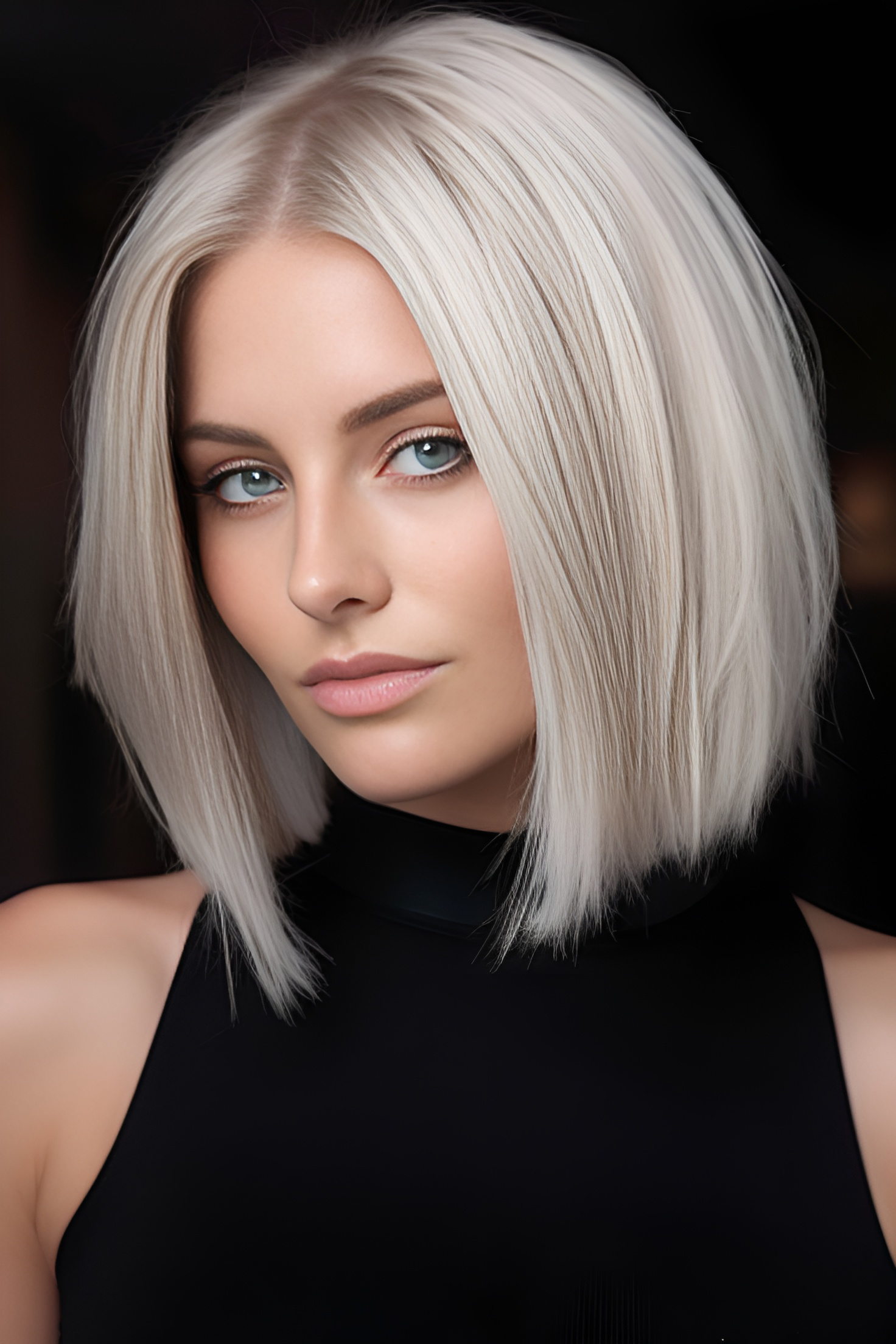

As women age, their hair undergoes significant changes. From thinning strands to loss of volume, gray hair, and texture alterations, aging hair can be a source of frustration and insecurity. However, with the right care, techniques, and products, it’s entirely possible to restore vitality, shine, and youthfulness to aging hair. Whether you’re dealing with brittle strands, a lack of volume, or simply want to embrace your natural beauty while enhancing your hair’s health, this guide will walk you through everything you need to know about fixing “old lady hair” and achieving a radiant, age-defying look.
Understanding the Changes in Aging Hair
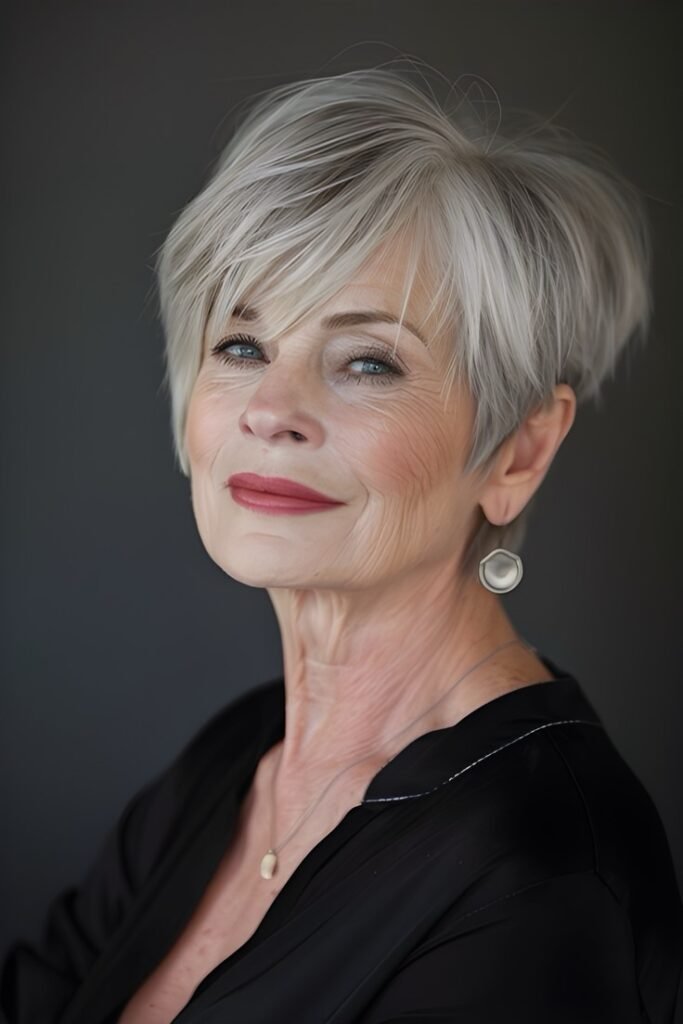

Before diving into solutions, it’s essential to understand why hair changes as we age. Hair aging is a natural process influenced by genetics, hormonal shifts, and environmental factors. Here are some of the most common changes women experience:
- Thinning Hair: As estrogen levels decline during menopause, hair follicles shrink, leading to thinner strands and reduced density.
- Gray Hair: Melanin production slows down, causing hair to lose its natural color and turn gray or white.
- Dryness and Brittle Texture: Aging hair produces less sebum, the natural oil that keeps hair moisturized, resulting in dryness and brittleness.
- Loss of Volume: Thinning hair and reduced elasticity can make hair appear flat and lifeless.
- Slower Growth: Hair growth cycles slow down with age, leading to shorter, less vibrant strands.
Understanding these changes is the first step toward addressing them effectively. With the right approach, you can combat these issues and restore your hair’s youthful appearance.
Step 1: Nourish Your Hair from Within

Healthy hair starts with proper nutrition. Just as your skin reflects your diet, your hair’s condition is a direct result of the nutrients you consume. Here’s how to nourish your hair from the inside out:
1. Prioritize Protein
Hair is primarily made of keratin, a type of protein. Incorporating protein-rich foods like eggs, lean meats, fish, beans, and nuts into your diet can strengthen hair follicles and promote growth.
2. Boost Collagen Intake
Collagen is essential for maintaining hair elasticity and preventing breakage. Foods like bone broth, citrus fruits, and leafy greens can help boost collagen production.
3. Incorporate Omega-3 Fatty Acids
Omega-3s, found in fatty fish, flaxseeds, and walnuts, nourish the scalp and promote healthy hair growth.
4. Stay Hydrated
Dehydration can lead to dry, brittle hair. Aim to drink at least 8 glasses of water daily to keep your hair hydrated and healthy.
5. Consider Supplements
If your diet lacks essential nutrients, consider taking supplements like biotin, vitamin D, and iron, which are known to support hair health.
Step 2: Choose the Right Hair Care Products

The products you use play a crucial role in maintaining the health and appearance of aging hair. Here’s how to choose the right ones:
1. Opt for Moisturizing Shampoos and Conditioners
Aging hair tends to be dry, so look for sulfate-free shampoos and conditioners that provide deep hydration. Ingredients like argan oil, shea butter, and hyaluronic acid can help restore moisture.
2. Use a Leave-In Conditioner
Leave-in conditioners provide an extra layer of protection and hydration, making hair more manageable and less prone to breakage.
3. Incorporate Hair Masks
Weekly hair masks can work wonders for aging hair. Look for masks containing keratin, collagen, or natural oils like coconut or olive oil to nourish and strengthen your strands.
4. Try Scalp Treatments
A healthy scalp is the foundation of healthy hair. Scalp treatments containing ingredients like tea tree oil, peppermint, or salicylic acid can stimulate blood flow and promote hair growth.
Step 3: Adopt a Gentle Hair Care Routine

Aging hair is more fragile and prone to damage, so it’s essential to handle it with care. Follow these tips to protect your hair:
1. Avoid Over-Washing
Washing your hair too frequently can strip it of its natural oils, leading to dryness. Aim to wash your hair 2-3 times a week.
2. Use Lukewarm Water
Hot water can further dry out your hair. Stick to lukewarm water when washing and rinsing.
3. Be Gentle When Brushing
Use a wide-tooth comb or a brush with soft bristles to detangle your hair gently. Start from the ends and work your way up to avoid breakage.
4. Limit Heat Styling
Excessive heat can damage aging hair. If you must use heat tools, always apply a heat protectant and use the lowest possible setting.
5. Protect Your Hair from the Sun
UV rays can weaken hair and cause color fading. Wear a hat or use hair products with UV protection when spending time outdoors.
Step 4: Embrace Your Natural Texture and Color

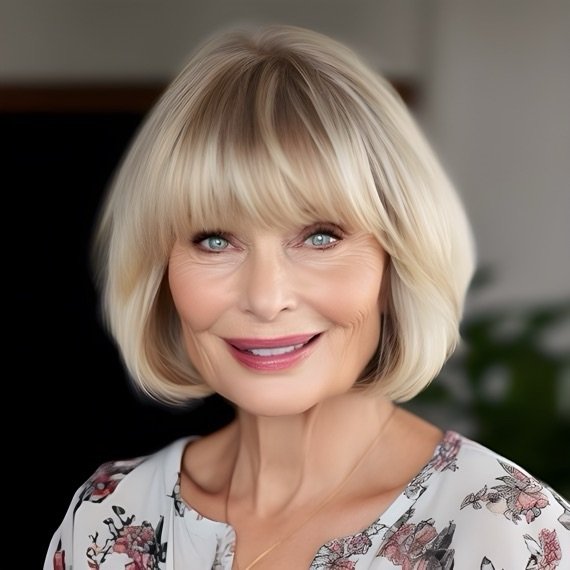
Aging hair often comes with changes in texture and color. Instead of fighting these changes, embrace them and work with your hair’s natural tendencies.
1. Go for a Shorter Cut
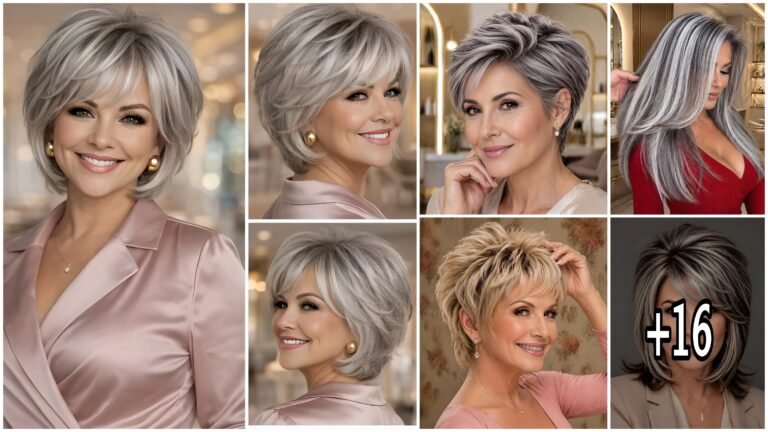
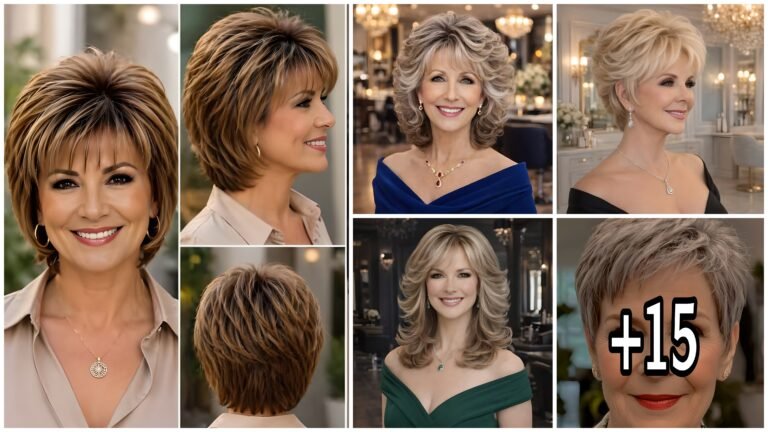
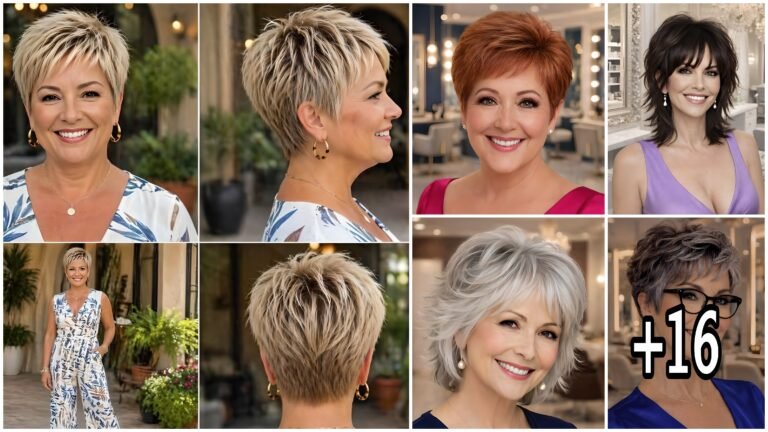
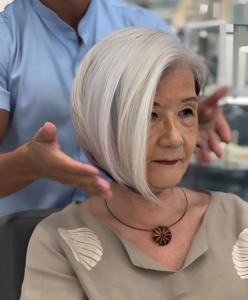
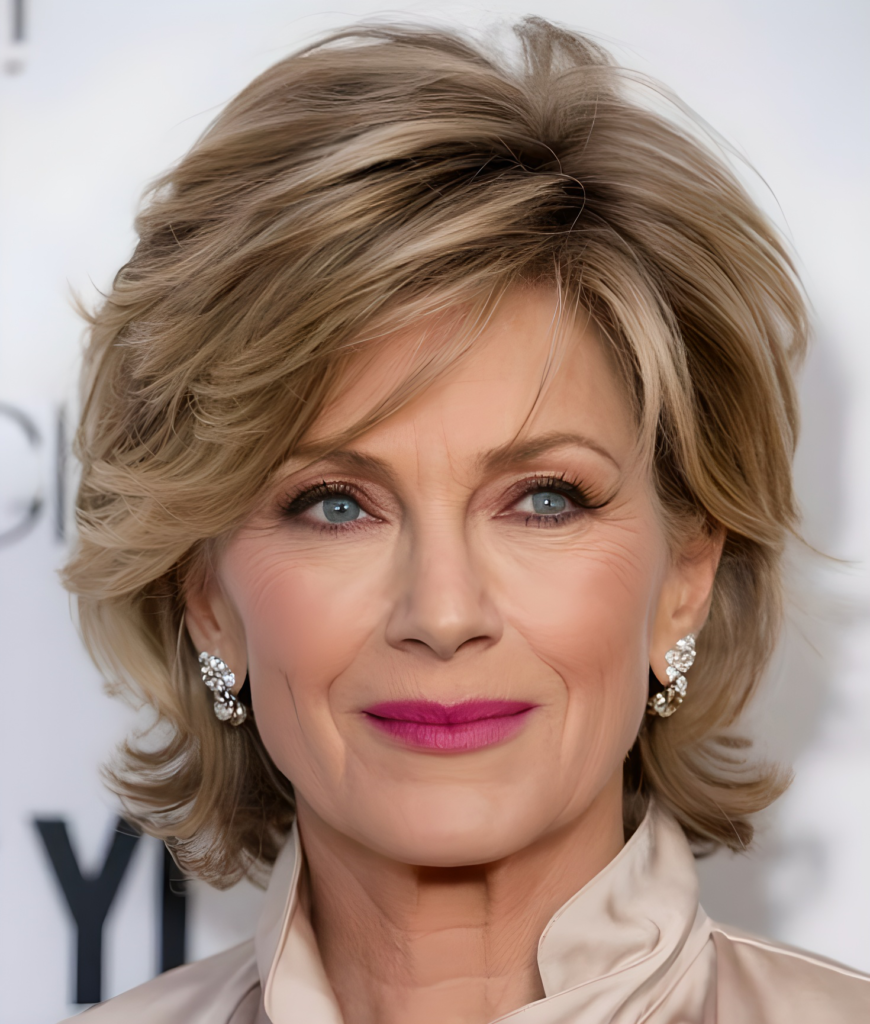
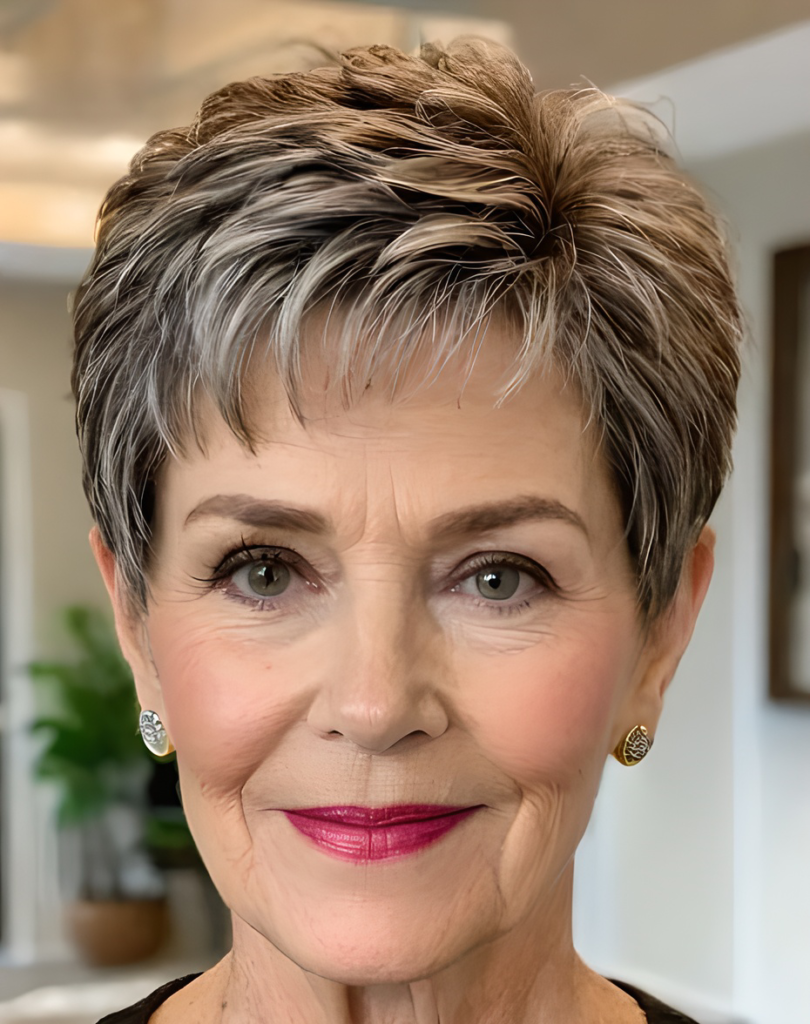
Shorter hairstyles can add volume and make thinning hair appear fuller. Consider a chic bob, pixie cut, or layered style that complements your face shape.
2. Enhance Gray Hair
If you’re embracing your gray hair, use purple shampoos and conditioners to neutralize yellow tones and keep your silver strands looking vibrant.
3. Add Dimension with Highlights
If you prefer to cover gray hair, opt for highlights or lowlights instead of a single-color dye. This adds dimension and reduces the contrast between your natural hair and the dye.
4. Experiment with Texture
If your hair has become wiry or coarse, try texturizing sprays or creams to enhance its natural texture and create a more youthful look.
Step 5: Seek Professional Help

Sometimes, the best way to address aging hair is to consult a professional. Here’s how they can help:
1. Scalp Analysis
A trichologist or dermatologist can analyze your scalp and recommend treatments to address issues like thinning or dryness.
2. Hair Treatments
Salon treatments like keratin therapy, collagen infusions, or scalp massages can rejuvenate your hair and promote growth.
3. Custom Haircuts
A skilled stylist can recommend a haircut that enhances your hair’s volume and texture while complementing your features.
4. Hair Extensions or Wigs
If you’re dealing with significant hair loss, extensions or wigs can provide a quick and effective solution.
Step 6: Embrace a Positive Mindset

Finally, remember that aging is a natural part of life, and your hair is just one aspect of your overall beauty. Embrace the changes and focus on enhancing your natural features. Confidence and self-love are the most attractive qualities anyone can possess, and they shine through regardless of hair type or texture.
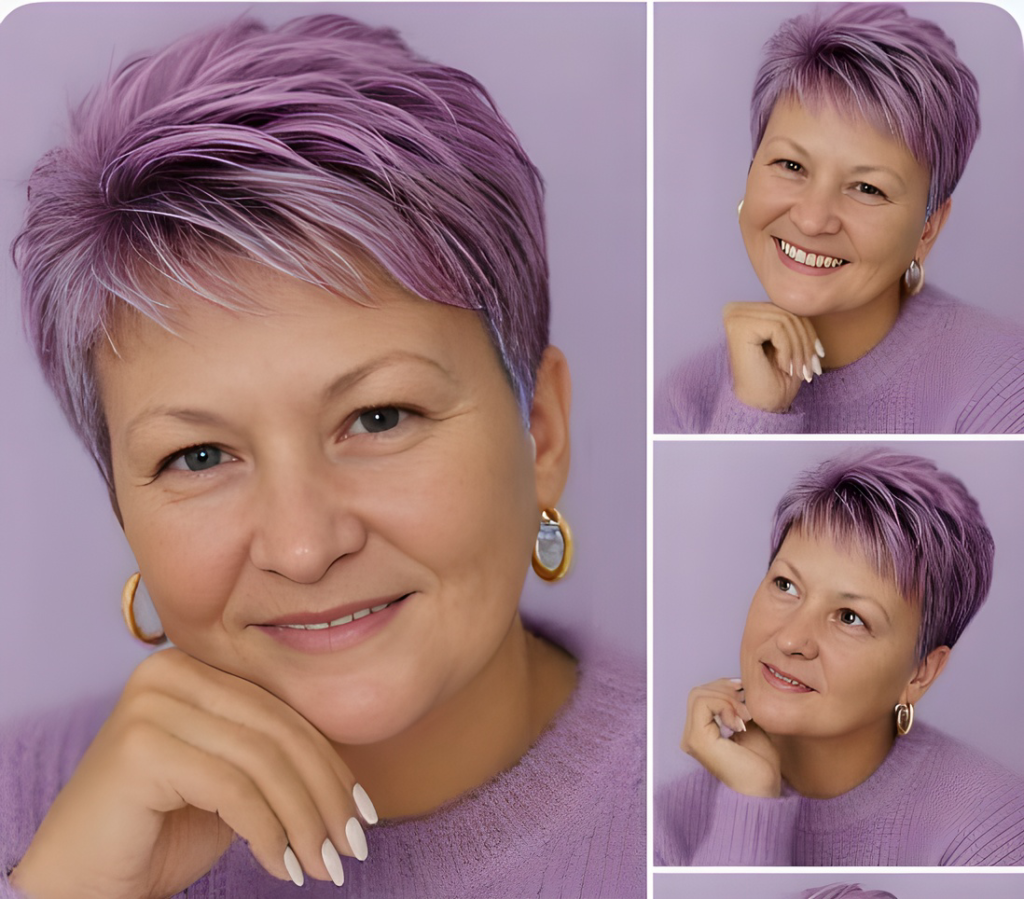


Fixing “old lady hair” isn’t about turning back the clock—it’s about embracing your age while taking steps to enhance your hair’s health and appearance. By nourishing your hair from within, choosing the right products, adopting a gentle routine, and seeking professional help when needed, you can achieve beautiful, vibrant hair at any age. Remember, your hair is a reflection of your overall health and well-being, so take care of yourself, and your hair will follow suit. With the right approach, you can rock your locks with confidence and grace, proving that age is just a number.