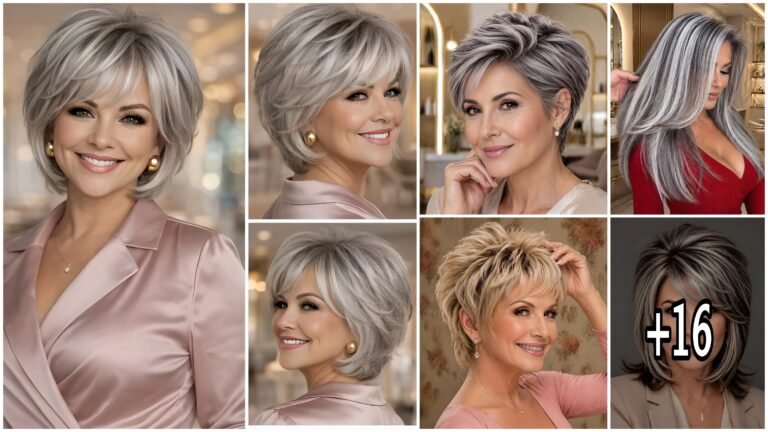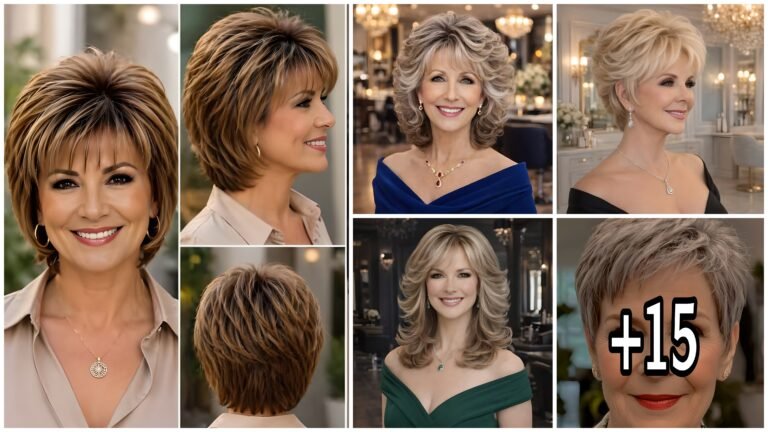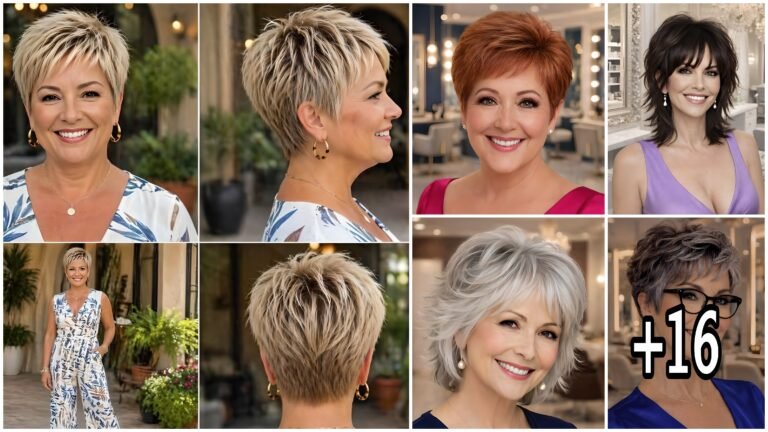
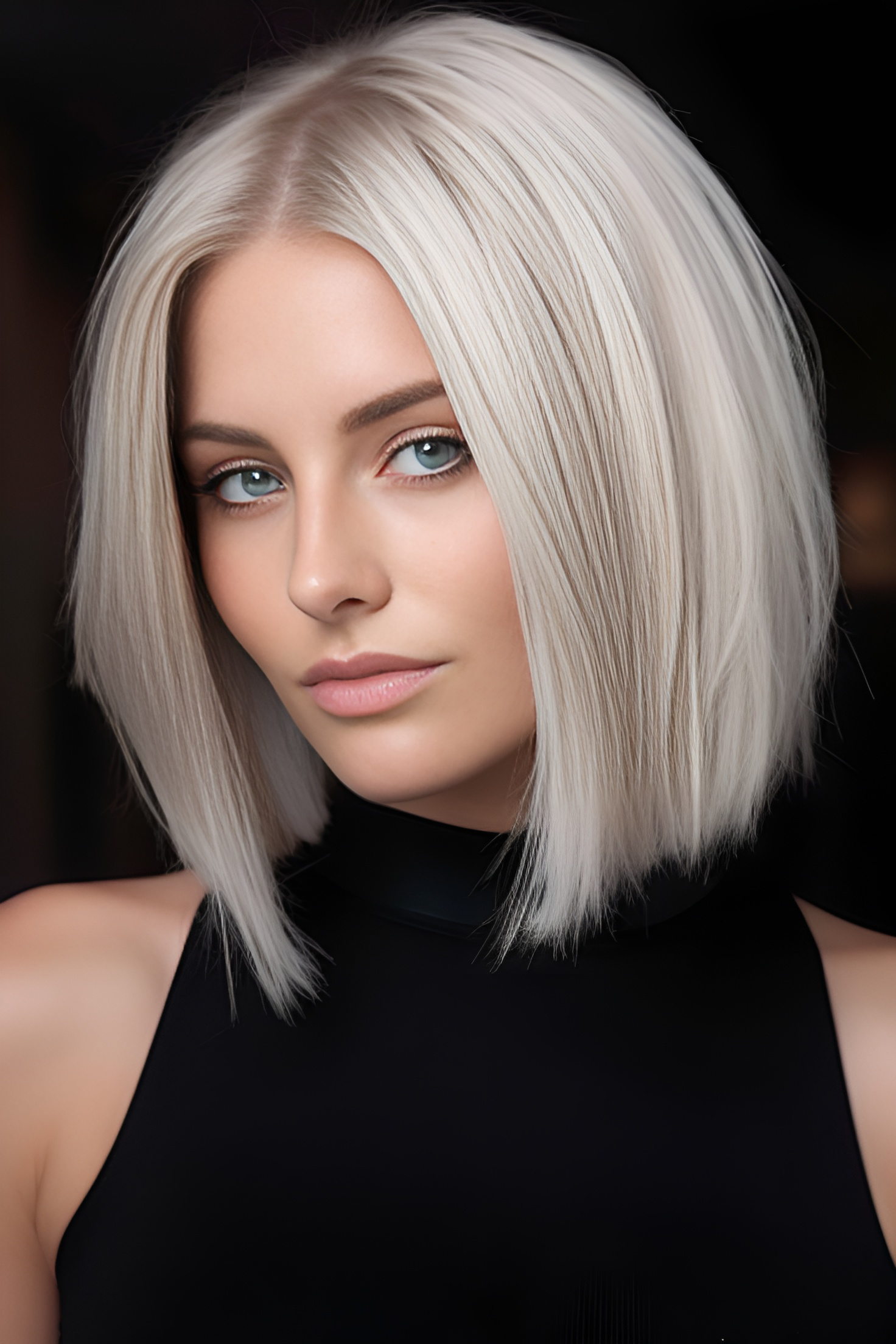

When it comes to haircuts, one of the most debated topics among stylists and clients alike is whether it’s better to cut hair wet or dry. For women, this decision can significantly impact the final look, texture, and manageability of their hair. The truth is, there’s no one-size-fits-all answer. The choice between wet and dry cutting depends on various factors, including hair type, desired style, and personal preferences. In this article, we’ll dive deep into the pros and cons of both methods, explore expert opinions, and help you decide which technique is best for your hair.
Understanding the Basics: Wet vs. Dry Hair Cutting


Before we delve into the specifics, it’s essential to understand what wet and dry cutting entail. Wet cutting involves trimming or shaping hair while it’s damp, typically after a wash. This method is traditional and widely used in salons. On the other hand, dry cutting involves styling and cutting hair when it’s completely dry, allowing the stylist to see the hair’s natural fall and texture.
Both techniques have their merits, and the choice often depends on the stylist’s expertise and the client’s hair goals. Let’s break down the advantages and disadvantages of each method.
The Case for Wet Hair Cutting
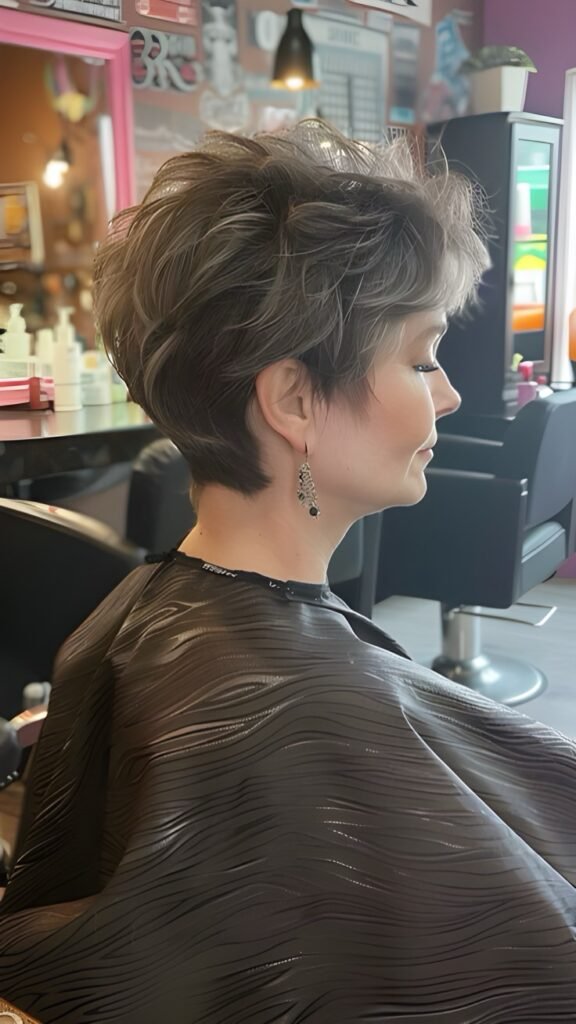
Wet hair cutting has been the go-to method for decades, and for good reason. Here’s why many stylists and clients prefer this approach:
1. Precision and Control
When hair is wet, it becomes more manageable and easier to section. This allows stylists to create precise, even cuts, especially for techniques like blunt bobs or layered styles. Wet hair also lies flatter, making it easier to identify and correct unevenness.
2. Ideal for Thick or Curly Hair
For women with thick or curly hair, wet cutting can be a game-changer. Wet hair stretches, allowing stylists to see the true length and shape of the hair. This is particularly useful for curly hair, as it ensures that the curls spring up evenly after drying.
3. Traditional and Trusted
Many stylists are trained in wet cutting techniques, making it a reliable and familiar method. If you’re visiting a new stylist or salon, chances are they’ll default to wet cutting unless you request otherwise.
4. Easier Detangling
Wet hair is easier to detangle, especially for women with long or thick hair. This reduces the risk of breakage during the cutting process and ensures a smoother experience.
The Drawbacks of Wet Hair Cutting

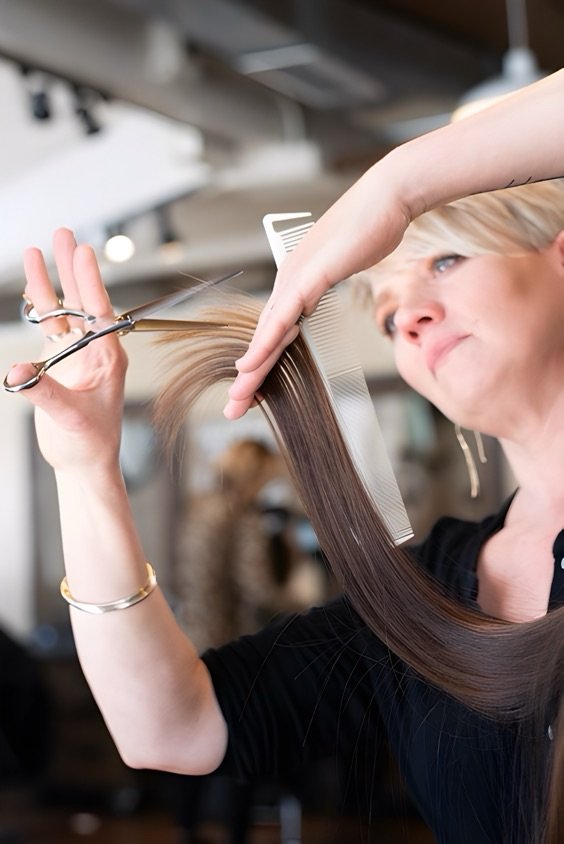
While wet cutting has its advantages, it’s not without its limitations. Here are some potential downsides to consider:
1. Surprises After Drying
One of the biggest challenges with wet cutting is that hair can look drastically different once it dries. This is especially true for curly or wavy hair, which may shrink or bounce up after drying. Stylists must account for this change, but even experienced professionals can sometimes miss the mark.
2. Limited Texture Assessment
Wet hair doesn’t reveal its natural texture or movement. This can make it difficult for stylists to create styles that work seamlessly with your hair’s natural behavior.
3. Not Ideal for All Hair Types
Women with fine or thin hair may find that wet cutting leaves their hair looking flat or lifeless. Additionally, wet cutting can be less effective for creating textured or piecey styles.
The Case for Dry Hair Cutting


Dry hair cutting has gained popularity in recent years, particularly among stylists who specialize in personalized, texture-focused cuts. Here’s why dry cutting might be the better option for you:
1. Real-Time Styling
Dry cutting allows stylists to see your hair’s natural texture, movement, and volume as they work. This results in a more customized cut that complements your hair’s unique characteristics.
2. Perfect for Fine or Thin Hair
For women with fine or thin hair, dry cutting can add volume and dimension. By cutting hair in its natural state, stylists can create layers and textures that enhance body and movement.
3. Immediate Results
With dry cutting, what you see is what you get. There’s no guessing how your hair will look after it dries, making it a great option for women who want a predictable outcome.
4. Ideal for Textured Styles
If you’re looking for a tousled, piecey, or lived-in look, dry cutting is the way to go. Stylists can strategically snip and texturize to achieve the desired effect.
The Drawbacks of Dry Hair Cutting


While dry cutting offers many benefits, it’s not without its challenges. Here are some potential downsides:
1. Less Precision
Dry hair can be more difficult to section and control, especially for precise cuts like bobs or blunt ends. This method requires a high level of skill and experience.
2. Not Ideal for Thick or Curly Hair
For women with thick or curly hair, dry cutting can be less effective. Without the stretching effect of water, it’s harder to achieve even layers or lengths.
3. Time-Consuming
Dry cutting often takes longer than wet cutting, as stylists must work with the hair’s natural texture and movement. This can result in higher salon costs.
Expert Opinions: What Do Stylists Recommend?
We reached out to several professional stylists to get their take on the wet vs. dry cutting debate. Here’s what they had to say:
- Sarah Johnson, Master Stylist: “I prefer wet cutting for precision cuts like bobs or long layers. It gives me more control and ensures an even result. However, for textured or lived-in styles, dry cutting is my go-to.”
- Emily Carter, Curly Hair Specialist: “For curly hair, I always recommend a combination of wet and dry cutting. Wet cutting helps me establish the shape, while dry cutting allows me to refine the curls and add movement.”
- Lisa Martinez, Volume Expert: “Dry cutting is fantastic for adding volume and dimension to fine hair. It allows me to see how the hair naturally falls and create layers that enhance body.”
How to Choose the Right Method for You

So, how do you decide whether to cut your hair wet or dry? Here are some factors to consider:
1. Hair Type
- Thick or Curly Hair: Opt for wet cutting or a combination of wet and dry cutting.
- Fine or Thin Hair: Dry cutting is often the better choice for adding volume and texture.
2. Desired Style
- Precision Cuts: Wet cutting is ideal for blunt bobs, long layers, or sleek styles.
- Textured Styles: Dry cutting works best for tousled, piecey, or lived-in looks.
3. Personal Preferences
If you’re unsure, consult with your stylist. They can assess your hair type, texture, and goals to recommend the best method.
Tips for a Successful Haircut

Whether you choose wet or dry cutting, here are some tips to ensure a great result:
- Communicate with Your Stylist: Be clear about your desired style and any concerns you have.
- Bring Inspiration Photos: Visual references can help your stylist understand your vision.
- Consider Maintenance: Choose a style that fits your lifestyle and maintenance routine.
- Trust Your Stylist: A skilled stylist will know which method works best for your hair.

The wet vs. dry cutting debate ultimately comes down to your hair type, desired style, and personal preferences. Both methods have their pros and cons, and the best choice varies from person to person. By understanding the differences and consulting with a professional stylist, you can make an informed decision that leaves you with a haircut you love.
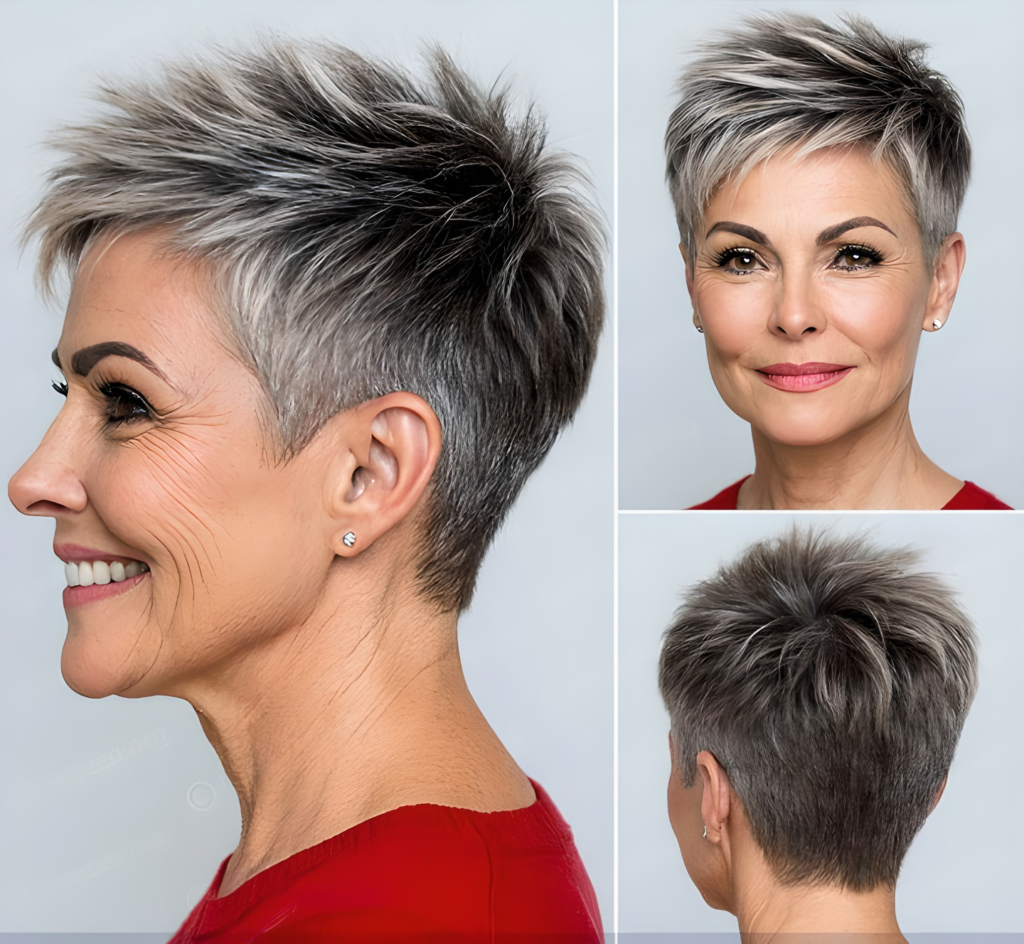





Remember, the key to a great haircut is communication and trust. Whether you opt for wet or dry cutting, the right stylist will work with you to achieve your hair goals. So, the next time you’re in the salon chair, don’t be afraid to ask questions and explore your options. After all, your hair is your crown—wear it with confidence!