

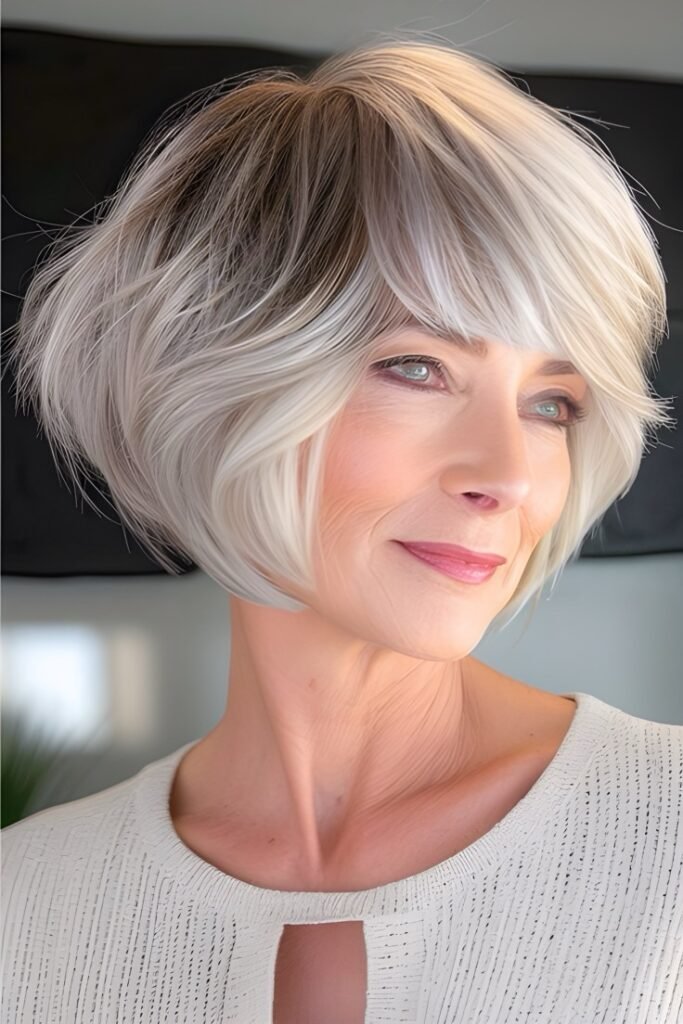
Hair loss is a concern that transcends age, gender, and lifestyle. While it is often associated with men, women, especially those in their later years, are equally susceptible to thinning hair and bald patches. For a 70-year-old woman, the question of whether it is possible to regrow hair can feel daunting, but the answer is not as straightforward as a simple yes or no. The ability to regrow hair depends on a variety of factors, including the underlying cause of hair loss, overall health, and the treatments pursued. In this comprehensive article, we will delve into the science of hair regrowth, explore the reasons behind hair loss in older women, and provide actionable solutions to help women in their 70s regain their confidence and vitality.
Understanding Hair Loss in Older Women

Hair loss in women over 70 is often a result of a combination of factors. As women age, their bodies undergo significant hormonal changes, particularly during and after menopause. The decline in estrogen levels can lead to thinner, weaker hair, making it more prone to falling out. Additionally, aging affects the hair follicles, slowing down the rate at which new hair grows and replacing lost hair.
Another common cause of hair loss in older women is genetics. Female pattern hair loss, also known as androgenetic alopecia, is a hereditary condition that can manifest at any age but becomes more pronounced with age. This condition typically results in thinning hair along the crown and parting of the scalp.
Other contributing factors include nutritional deficiencies, stress, medical conditions such as thyroid disorders, and the side effects of certain medications. Understanding the root cause of hair loss is crucial in determining the most effective treatment plan.

The Science of Hair Regrowth: Is It Possible at 70?

The human scalp contains approximately 100,000 hair follicles, each capable of producing multiple hair strands over a lifetime. However, as we age, the regenerative capacity of these follicles diminishes. This does not mean that hair regrowth is impossible for a 70-year-old woman, but it does mean that the process may be slower and require more targeted interventions.
Hair growth occurs in three phases: the anagen (growth) phase, the catagen (transition) phase, and the telogen (resting) phase. In younger individuals, the anagen phase lasts several years, allowing hair to grow long and thick. As we age, the anagen phase shortens, leading to shorter, thinner hair strands. Additionally, more hair follicles enter the telogen phase, resulting in increased shedding.
While aging naturally affects hair growth, advancements in medical science and hair care have made it possible to stimulate dormant follicles and encourage regrowth. The key lies in addressing the underlying causes of hair loss and adopting a holistic approach to hair health.
Effective Solutions for Hair Regrowth in Older Women

- Topical Treatments
One of the most widely recommended solutions for hair regrowth is the use of topical treatments such as minoxidil. This FDA-approved medication is available over the counter and works by increasing blood flow to the scalp, thereby stimulating hair follicles. For older women, a 5% minoxidil solution is often recommended, as it has been shown to be effective in promoting regrowth in postmenopausal women. - Nutritional Support
A balanced diet rich in essential vitamins and minerals is crucial for maintaining healthy hair. Key nutrients include biotin, vitamin D, iron, zinc, and omega-3 fatty acids. Older women may benefit from supplements specifically formulated for hair health, but it is important to consult a healthcare provider before starting any new regimen. - Hormone Replacement Therapy (HRT)
For women experiencing hair loss due to hormonal changes, hormone replacement therapy may be an option. HRT can help restore estrogen levels, potentially improving hair thickness and reducing shedding. However, this treatment is not suitable for everyone and should be discussed with a medical professional. - Low-Level Laser Therapy (LLLT)
Low-level laser therapy is a non-invasive treatment that uses red light to stimulate hair follicles. This therapy has gained popularity in recent years and is available in the form of laser combs, caps, and in-office treatments. Studies have shown that LLLT can be effective in promoting hair regrowth in both men and women. - Platelet-Rich Plasma (PRP) Therapy
PRP therapy involves drawing a small amount of the patient’s blood, processing it to concentrate the platelets, and injecting it into the scalp. The growth factors in the platelets help stimulate hair follicles and promote regrowth. This treatment is particularly popular among women seeking a natural solution to hair loss. - Scalp Care and Gentle Styling
Maintaining a healthy scalp is essential for hair regrowth. Regular scalp massages can improve blood circulation, while gentle cleansing and moisturizing can prevent dryness and irritation. Older women should avoid harsh chemical treatments and tight hairstyles that can further damage fragile hair.

Lifestyle Changes to Support Hair Health

In addition to medical treatments, certain lifestyle changes can significantly impact hair health. Regular exercise improves blood circulation, ensuring that hair follicles receive adequate nutrients. Stress management techniques such as yoga, meditation, and deep breathing can also help, as chronic stress is a known contributor to hair loss.
Adequate sleep is another critical factor. During sleep, the body repairs and regenerates cells, including those responsible for hair growth. Older women should aim for 7-8 hours of quality sleep each night to support overall health and well-being.



When to Seek Professional Help

While many cases of hair loss can be addressed with at-home treatments and lifestyle changes, it is important to seek professional help if the condition persists or worsens. A dermatologist or trichologist can perform a thorough evaluation, including blood tests and scalp biopsies, to identify the underlying cause of hair loss. Based on the findings, they can recommend personalized treatment options, such as prescription medications or advanced therapies.
The Emotional Impact of Hair Loss

Hair loss can have a profound emotional impact, particularly for older women who may already be grappling with the challenges of aging. Thinning hair can affect self-esteem and confidence, leading to feelings of isolation and depression. It is important to acknowledge these emotions and seek support from loved ones or a mental health professional if needed.
Joining support groups or online communities can also provide a sense of camaraderie and encouragement. Many women find solace in sharing their experiences and learning from others who have successfully navigated the journey of hair regrowth.
A Journey of Hope and Resilience

While hair loss in a 70-year-old woman may seem like an insurmountable challenge, it is important to remember that regrowth is possible with the right approach. By understanding the causes of hair loss, exploring effective treatments, and adopting a holistic lifestyle, older women can take proactive steps toward restoring their hair and confidence.
The journey to hair regrowth is not just about aesthetics; it is about embracing one’s identity and reclaiming a sense of vitality. With patience, perseverance, and the support of medical professionals, a 70-year-old woman can indeed regrow her hair and continue to shine brightly in her golden years.


This article is designed to provide hope and practical solutions for women facing hair loss in their later years. By addressing the issue comprehensively and compassionately, we aim to empower women to take control of their hair health and embrace the beauty of aging with grace and confidence.