
Hair loss is a common concern among women, and while there are numerous factors that can contribute to this issue, vitamin deficiencies are often overlooked. Understanding the role of vitamins in maintaining healthy hair can help you address the root cause of hair loss and take steps to restore your hair’s vitality. In this article, we will delve into the specific vitamin deficiencies that can lead to hair loss in women, explore the science behind these deficiencies, and provide practical tips on how to ensure you’re getting the nutrients your hair needs to thrive.
The Connection Between Vitamins and Hair Health


Hair health is closely tied to overall nutrition. Vitamins play a crucial role in the growth, strength, and maintenance of hair follicles. When your body lacks essential vitamins, it can disrupt the hair growth cycle, leading to thinning, breakage, and even significant hair loss. For women, hormonal changes, stress, and dietary imbalances can exacerbate these deficiencies, making it even more important to pay attention to your vitamin intake.
Vitamin D Deficiency: The Sunshine Vitamin and Hair Loss

One of the most common vitamin deficiencies linked to hair loss in women is Vitamin D. Known as the “sunshine vitamin,” Vitamin D is essential for the health of hair follicles. It helps in the creation of new hair follicles, which are the tiny pores from which new hair grows. Without adequate Vitamin D, hair follicles can become dormant, leading to hair thinning and loss.
Research has shown that women with low levels of Vitamin D are more likely to experience hair loss, particularly those with conditions like alopecia areata, an autoimmune disorder that causes patchy hair loss. Vitamin D also plays a role in the regulation of the hair growth cycle, ensuring that hair follicles transition smoothly from the resting phase to the growth phase.
How to Address Vitamin D Deficiency:
- Sun Exposure: Spending time in the sun is one of the most effective ways to boost your Vitamin D levels. Aim for 10-30 minutes of midday sunlight several times a week, depending on your skin tone and location.
- Dietary Sources: Incorporate Vitamin D-rich foods into your diet, such as fatty fish (salmon, mackerel, and sardines), egg yolks, and fortified foods like milk and cereals.
- Supplements: If you’re unable to get enough Vitamin D from sunlight and diet alone, consider taking a Vitamin D supplement. The recommended daily allowance (RDA) for most adults is 600-800 IU, but your healthcare provider may recommend a higher dose if you’re deficient.
Vitamin B7 (Biotin) Deficiency: The Hair Growth Vitamin
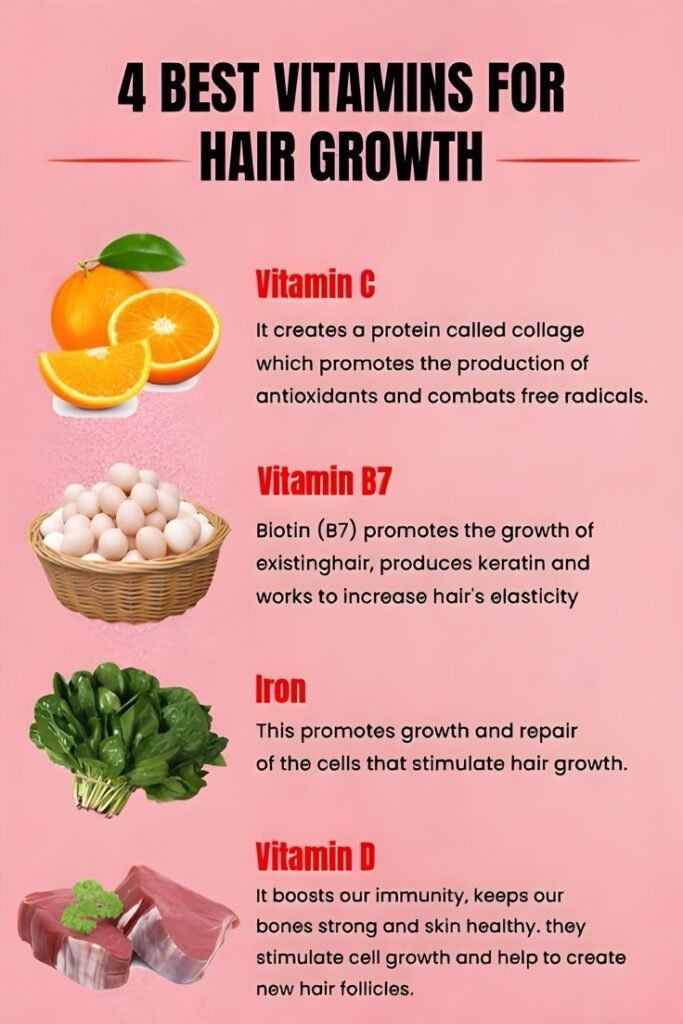
Biotin, also known as Vitamin B7, is often referred to as the “hair growth vitamin” due to its critical role in maintaining healthy hair, skin, and nails. Biotin helps in the production of keratin, a protein that makes up the structure of hair. A deficiency in biotin can lead to brittle hair, hair thinning, and even hair loss.
Women are particularly susceptible to biotin deficiency, especially during pregnancy or while breastfeeding, as the body’s demand for biotin increases during these periods. Additionally, certain medications, such as antibiotics and anticonvulsants, can interfere with biotin absorption, leading to a deficiency.
How to Address Biotin Deficiency:
- Dietary Sources: Biotin is found in a variety of foods, including eggs, nuts, seeds, salmon, avocados, and sweet potatoes. Incorporating these foods into your diet can help ensure you’re getting enough biotin.
- Supplements: Biotin supplements are widely available and can be an effective way to boost your levels. The typical recommended dose for adults is 30-100 mcg per day, but higher doses may be recommended for those with a deficiency.
- Hair Care Products: Some hair care products contain biotin and can be used topically to support hair health. However, it’s important to note that topical biotin is less effective than dietary or supplemental biotin in addressing deficiencies.
Vitamin B12 Deficiency: The Energy Vitamin and Hair Loss

Vitamin B12 is another essential nutrient that plays a key role in hair health. This vitamin is involved in the production of red blood cells, which carry oxygen to the scalp and hair follicles. Without adequate oxygen, hair follicles can become weak and eventually stop producing new hair.
Vitamin B12 deficiency is more common in women, particularly those who follow a vegetarian or vegan diet, as B12 is primarily found in animal products. Symptoms of B12 deficiency include fatigue, weakness, and hair loss. In severe cases, it can lead to anemia, which further exacerbates hair loss.
How to Address Vitamin B12 Deficiency:
- Dietary Sources: The best sources of Vitamin B12 are animal products, such as meat, fish, poultry, eggs, and dairy. If you follow a vegetarian or vegan diet, consider incorporating fortified foods like plant-based milks and cereals.
- Supplements: Vitamin B12 supplements are available in various forms, including tablets, sublingual (under the tongue) drops, and injections. The recommended daily allowance for adults is 2.4 mcg, but higher doses may be necessary for those with a deficiency.
- Regular Monitoring: If you’re at risk of Vitamin B12 deficiency, it’s important to have your levels checked regularly through blood tests. This will help you and your healthcare provider determine the appropriate course of action.
Vitamin A Deficiency: The Double-Edged Sword
Vitamin A is essential for cell growth, including the growth of hair. It also helps in the production of sebum, an oily substance that moisturizes the scalp and keeps hair healthy. However, Vitamin A is a double-edged sword when it comes to hair health. While a deficiency can lead to dry, brittle hair and hair loss, excessive intake of Vitamin A can also cause hair loss.
Women who consume large amounts of Vitamin A through supplements or medications like isotretinoin (used to treat acne) may experience hair thinning as a side effect. Therefore, it’s important to strike a balance when it comes to Vitamin A intake.
How to Address Vitamin A Deficiency:
- Dietary Sources: Vitamin A is found in two forms: preformed Vitamin A (retinol) and provitamin A carotenoids (beta-carotene). Preformed Vitamin A is found in animal products like liver, fish, and dairy, while beta-carotene is found in colorful fruits and vegetables like carrots, sweet potatoes, and spinach.
- Supplements: If you’re deficient in Vitamin A, your healthcare provider may recommend a supplement. However, it’s important to avoid excessive intake, as this can lead to toxicity and hair loss.
- Balanced Diet: Aim to get your Vitamin A from a balanced diet rather than relying solely on supplements. This will help you avoid the risks associated with excessive Vitamin A intake.
Iron Deficiency: The Silent Culprit Behind Hair Loss

While not a vitamin, iron is a crucial mineral that plays a significant role in hair health. Iron helps red blood cells carry oxygen to your cells, including hair follicles. Without adequate iron, hair follicles can become starved of oxygen, leading to hair thinning and loss.
Iron deficiency is one of the most common nutritional deficiencies in women, particularly those who experience heavy menstrual periods, are pregnant, or follow a vegetarian or vegan diet. Symptoms of iron deficiency include fatigue, weakness, pale skin, and hair loss.
How to Address Iron Deficiency:
- Dietary Sources: Iron is found in both heme and non-heme forms. Heme iron, which is more easily absorbed by the body, is found in animal products like red meat, poultry, and fish. Non-heme iron is found in plant-based foods like lentils, beans, tofu, and fortified cereals.
- Supplements: Iron supplements are commonly recommended for women with iron deficiency. The typical recommended dose for adult women is 18 mg per day, but higher doses may be necessary for those with a deficiency. It’s important to take iron supplements with Vitamin C, as this enhances absorption.
- Regular Monitoring: If you’re at risk of iron deficiency, regular blood tests can help monitor your iron levels and ensure you’re getting the right amount of this essential mineral.
Zinc Deficiency: The Forgotten Mineral for Hair Health

Zinc is another mineral that plays a vital role in hair health. It helps in the repair and growth of hair tissue and keeps the oil glands around hair follicles functioning properly. A deficiency in zinc can lead to hair thinning, slow hair growth, and even hair loss.
Women who are pregnant, breastfeeding, or following a vegetarian or vegan diet are at a higher risk of zinc deficiency. Additionally, certain medical conditions, such as Crohn’s disease and sickle cell disease, can interfere with zinc absorption.
How to Address Zinc Deficiency:
- Dietary Sources: Zinc is found in a variety of foods, including meat, shellfish, legumes, seeds, nuts, and dairy products. Incorporating these foods into your diet can help ensure you’re getting enough zinc.
- Supplements: Zinc supplements are available in various forms, including tablets, capsules, and lozenges. The recommended daily allowance for adult women is 8 mg, but higher doses may be necessary for those with a deficiency.
- Topical Treatments: Some hair care products contain zinc and can be used topically to support scalp health. However, as with biotin, topical zinc is less effective than dietary or supplemental zinc in addressing deficiencies.
Hair loss in women can be a distressing experience, but understanding the role of vitamin and mineral deficiencies can help you take proactive steps to address the issue. By ensuring you’re getting adequate amounts of Vitamin D, biotin, Vitamin B12, Vitamin A, iron, and zinc, you can support your hair’s health and promote growth.
A Holistic Approach to Hair Health

It’s important to remember that hair loss can be caused by a combination of factors, including genetics, hormonal changes, stress, and underlying medical conditions. Therefore, it’s essential to take a holistic approach to hair health, which includes a balanced diet, regular exercise, stress management, and proper hair care.
If you’re experiencing significant hair loss, it’s always a good idea to consult with a healthcare provider or dermatologist. They can help identify the underlying cause of your hair loss and recommend appropriate treatments, including dietary changes, supplements, and medical interventions.
By taking a proactive approach to your hair health, you can not only address hair loss but also improve your overall well-being. Remember, healthy hair starts from within, and ensuring your body has the nutrients it needs is the first step toward achieving the luscious, vibrant hair you desire.