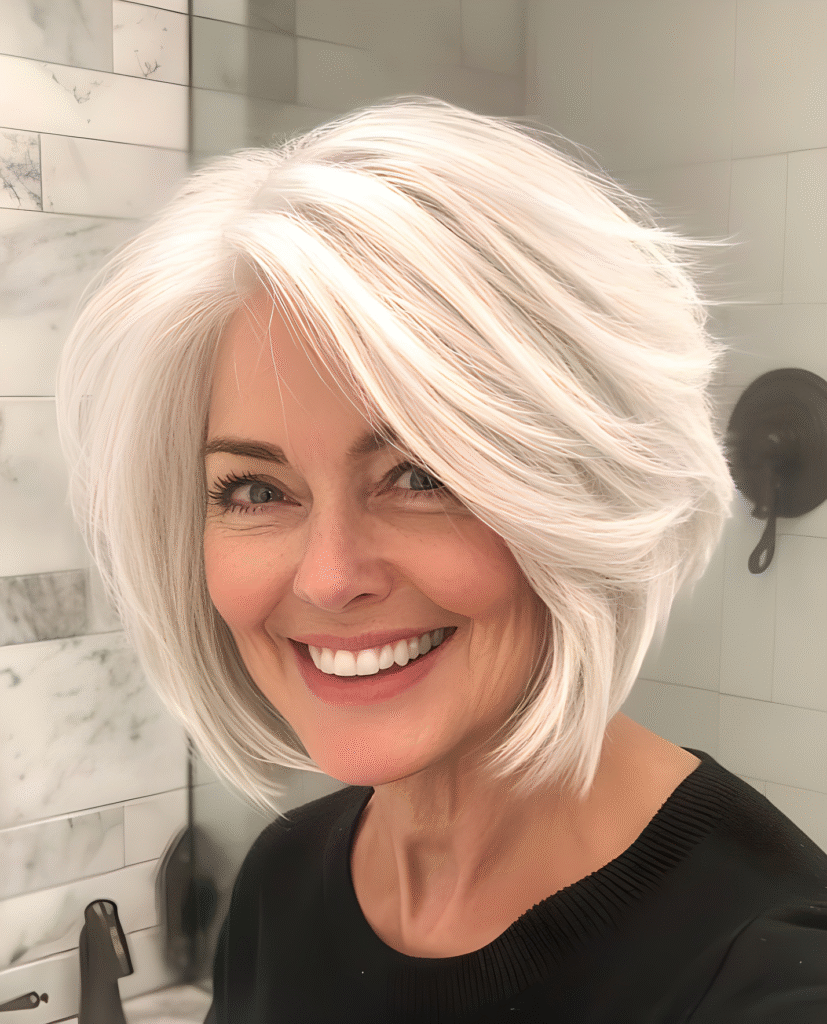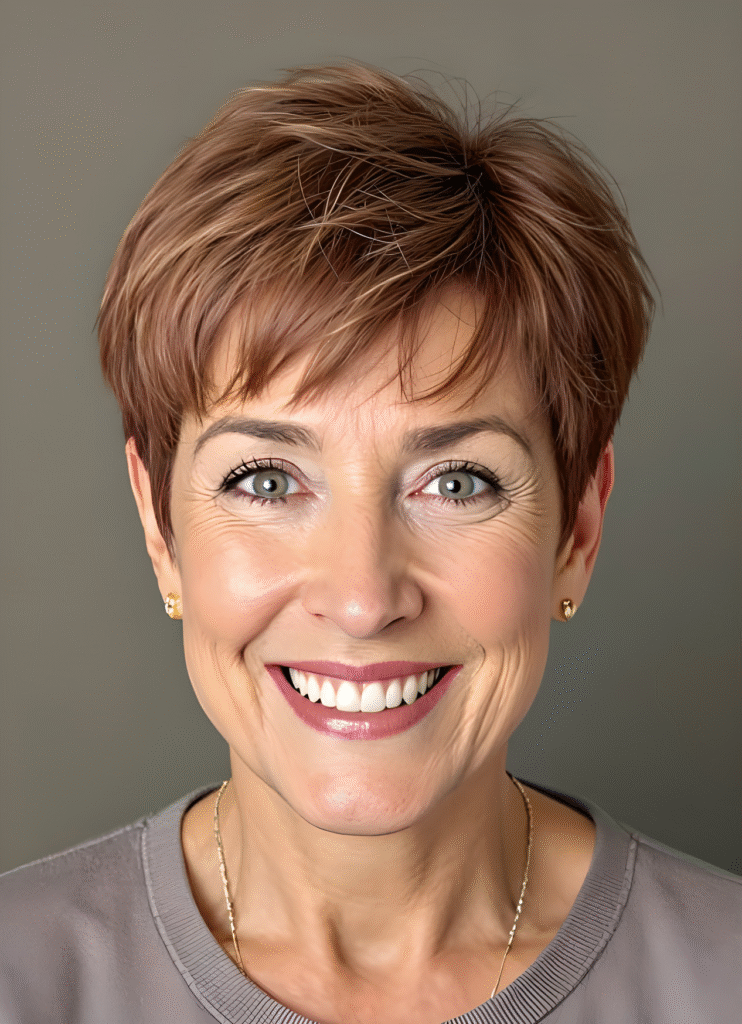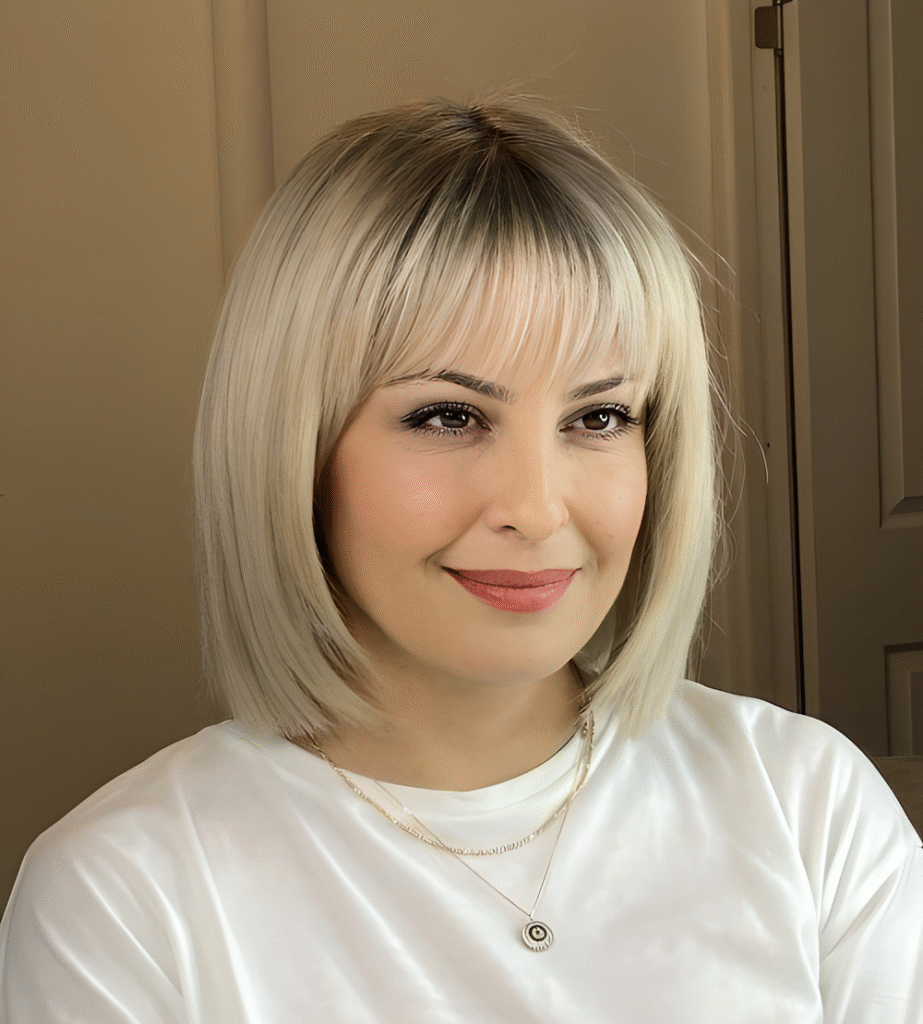
When it comes to managing frizzy hair, one of the most common dilemmas women face is deciding whether to keep their locks long or opt for a shorter style. Frizzy hair, characterized by its dry, coarse, and often unruly texture, can be challenging to manage. The decision to go long or short isn’t just about aesthetics; it’s about understanding your hair type, lifestyle, and the level of maintenance you’re willing to commit to. In this article, we’ll dive deep into the pros and cons of both long and short frizzy hair, offering tips and insights to help you make the best choice for your unique hair needs.
Understanding Frizzy Hair: What Makes It Unique?
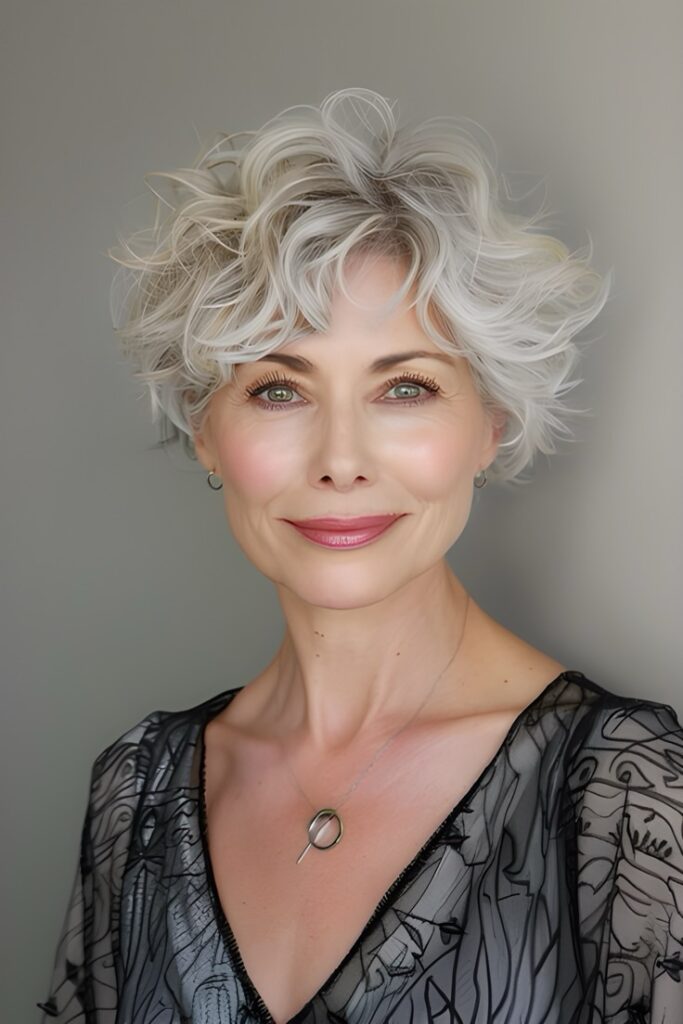
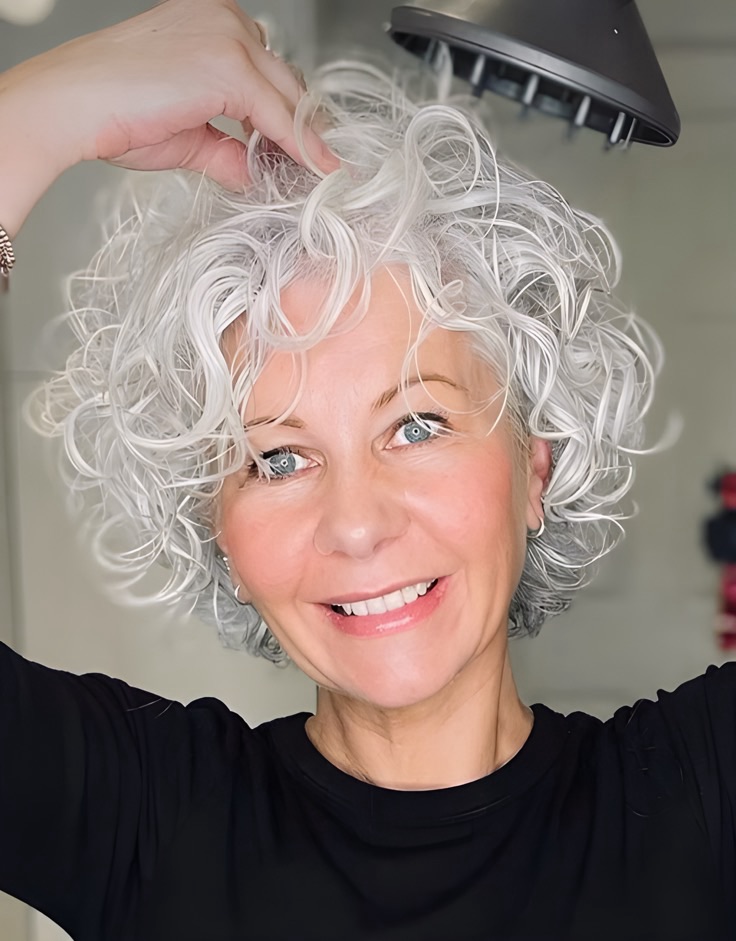
Before deciding on the length of your hair, it’s essential to understand what makes frizzy hair different from other hair types. Frizzy hair is often the result of a lack of moisture, which causes the hair cuticle to lift and absorb humidity from the environment. This leads to that characteristic puffiness and lack of smoothness. Factors like genetics, heat styling, chemical treatments, and even weather conditions can exacerbate frizz.
Frizzy hair tends to be more porous, meaning it absorbs moisture quickly but loses it just as fast. This makes it prone to dryness and breakage, especially if not properly cared for. The texture of frizzy hair can range from wavy to curly to coily, and each subtype comes with its own set of challenges and care requirements.
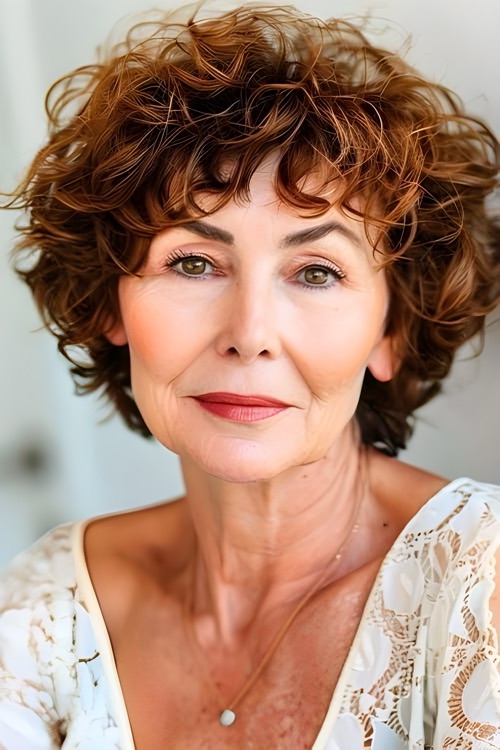
The Case for Long Frizzy Hair
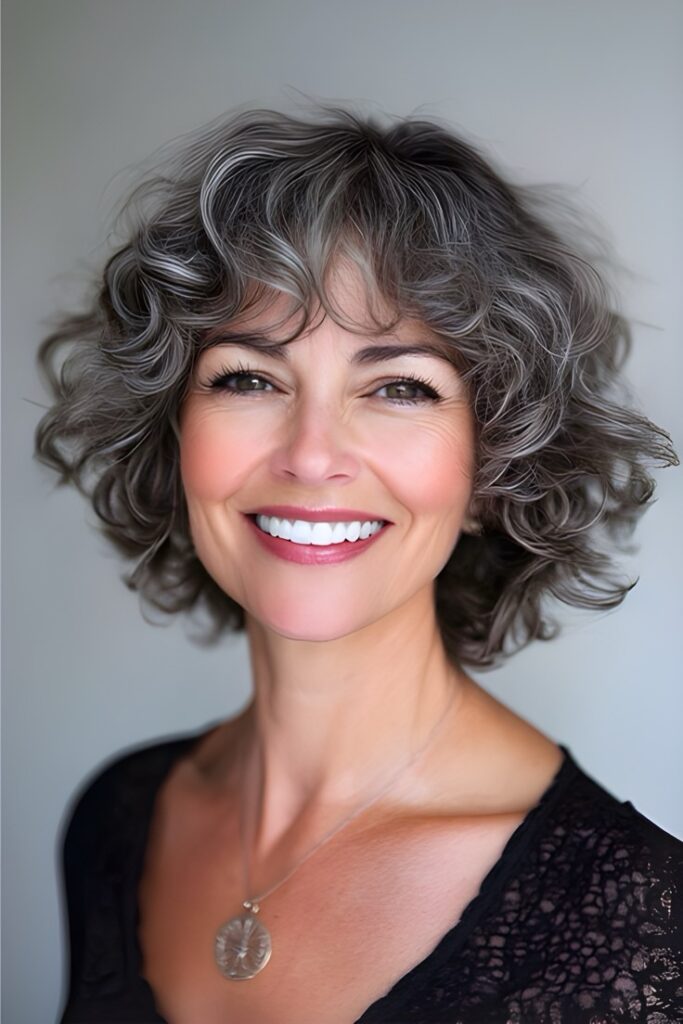
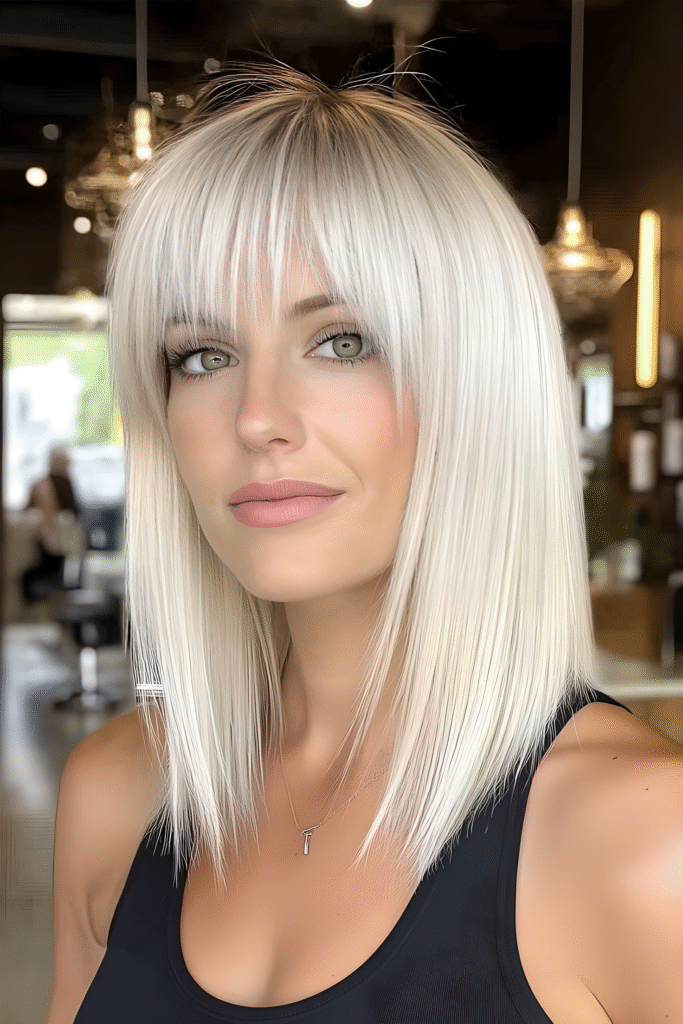
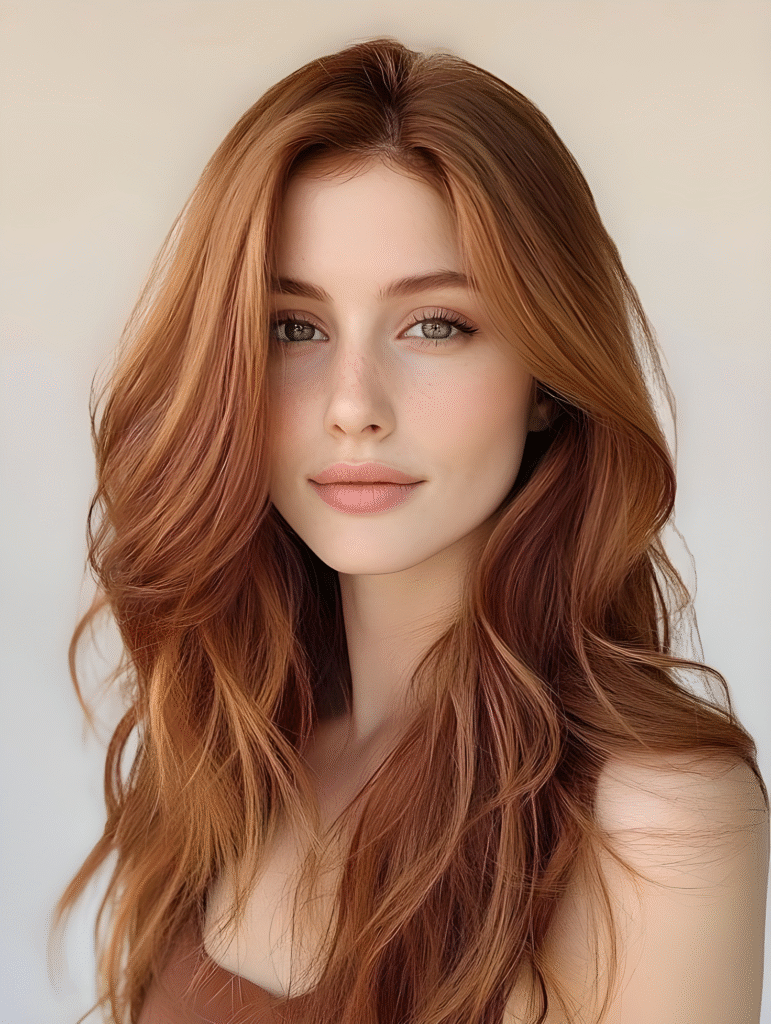
Long hair has always been associated with femininity and versatility. For women with frizzy hair, long locks can be both a blessing and a challenge. Here’s a closer look at the pros and cons of keeping your frizzy hair long.
Pros of Long Frizzy Hair
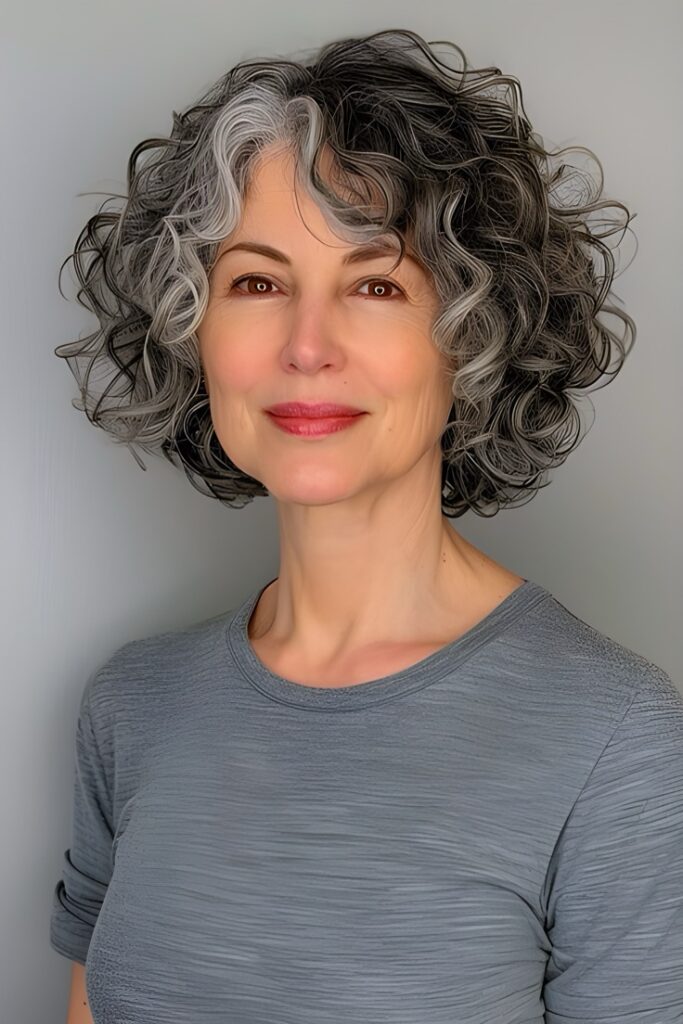
- Versatility in Styling: Long hair offers endless styling options. You can wear it straight, wavy, curly, or in intricate updos. Braids, buns, and ponytails are all great ways to manage frizz while looking stylish.
- Protective Styles: Longer hair allows for protective styles like braids or twists, which can help minimize frizz and reduce damage from environmental factors.
- Weight Helps Control Frizz: The weight of long hair can sometimes help tame frizz by pulling the hair down and reducing volume. This is especially true for women with wavy or curly hair.
- Aesthetic Appeal: Many women feel more confident with long hair, as it’s often seen as glamorous and elegant. When properly cared for, long frizzy hair can look stunning and full of life.
Cons of Long Frizzy Hair
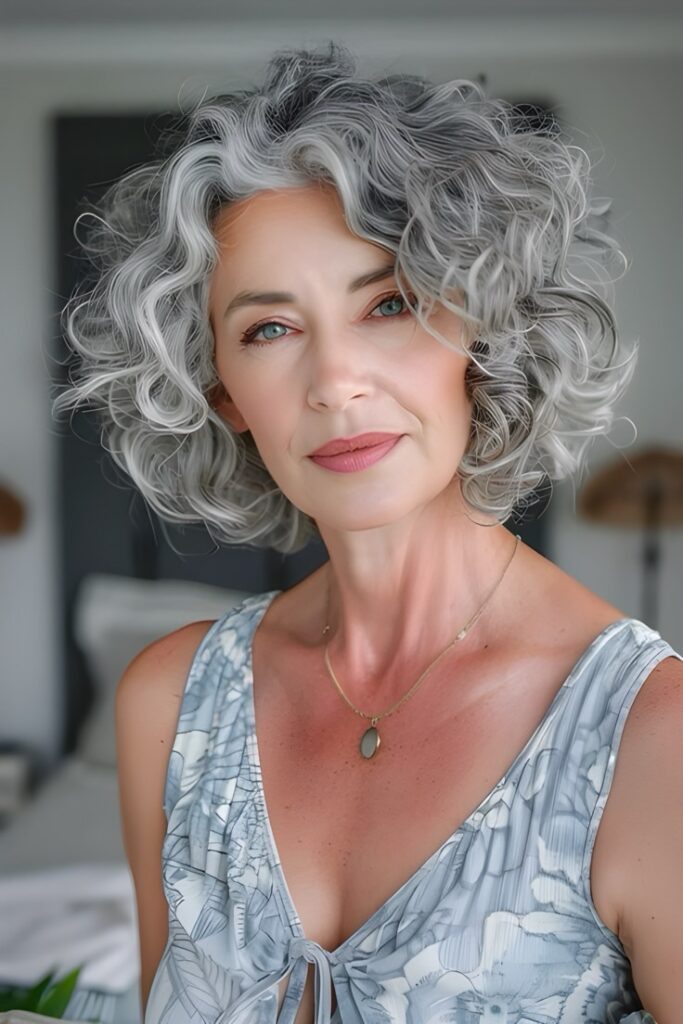
- High Maintenance: Long hair requires more time and effort to maintain. Regular deep conditioning, detangling, and trimming are essential to prevent split ends and breakage.
- Prone to Tangling: Frizzy hair is more likely to tangle, and long hair exacerbates this issue. Detangling can be time-consuming and painful if not done carefully.
- Heat and Humidity Challenges: Long frizzy hair is more susceptible to humidity, which can cause it to puff up and lose its shape. This means you’ll need to invest in anti-frizz products and tools.
- Risk of Damage: The longer your hair, the older the ends are, making them more prone to damage and dryness. This can lead to a frizzier appearance if not properly cared for.
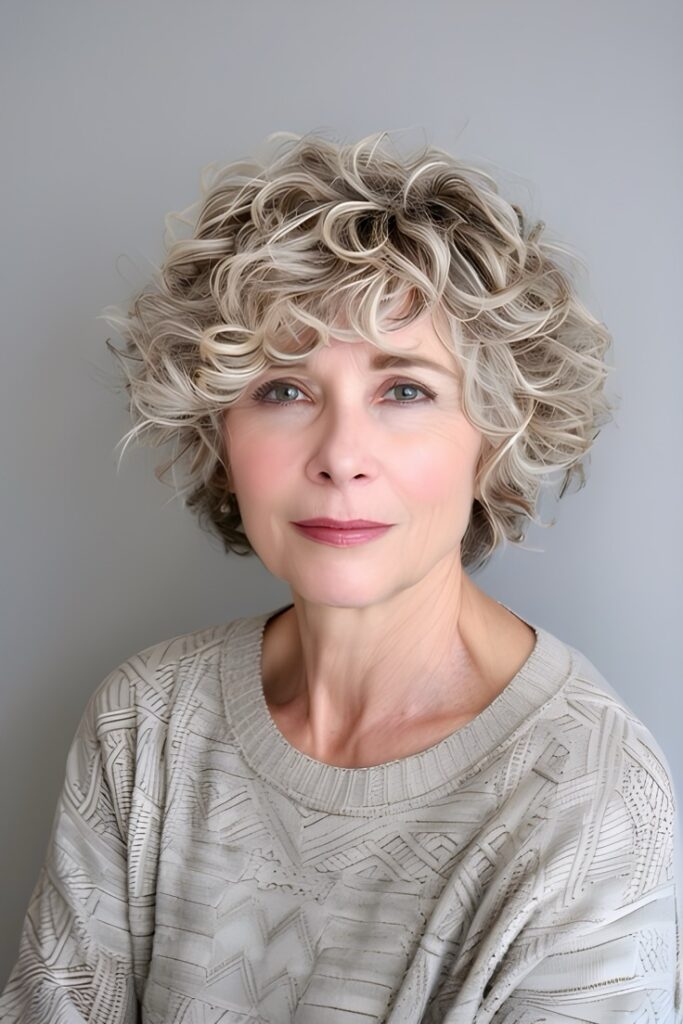
The Case for Short Frizzy Hair
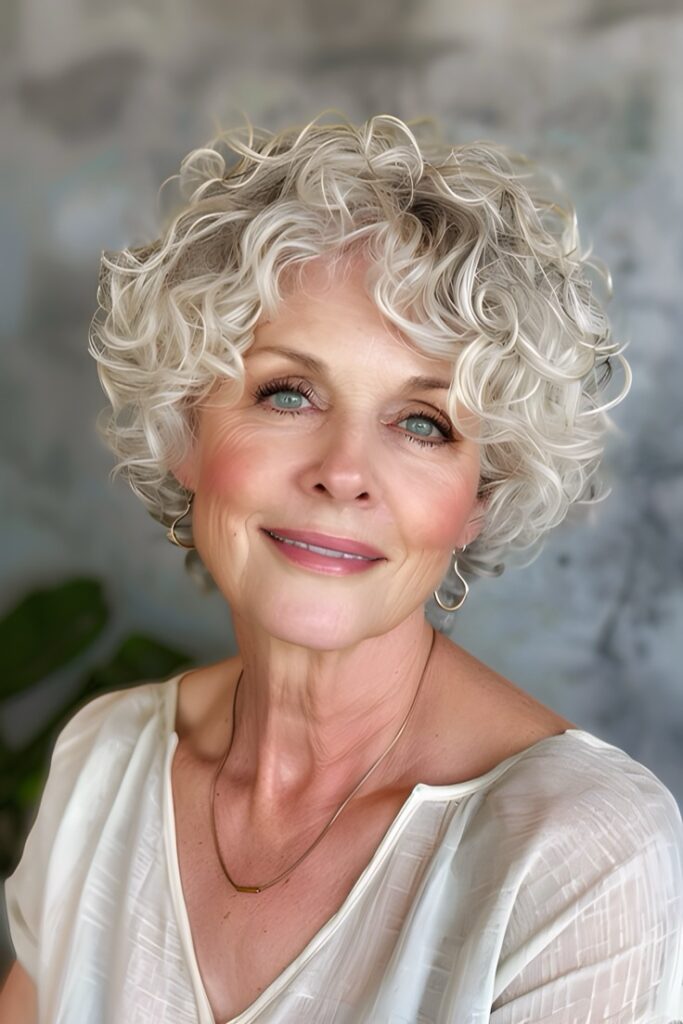
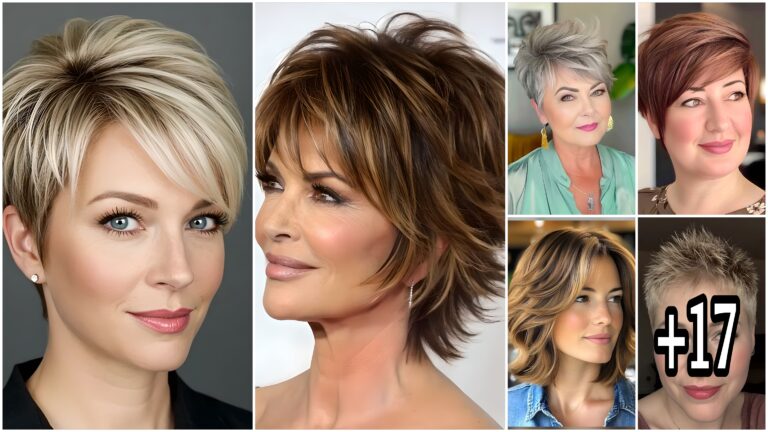
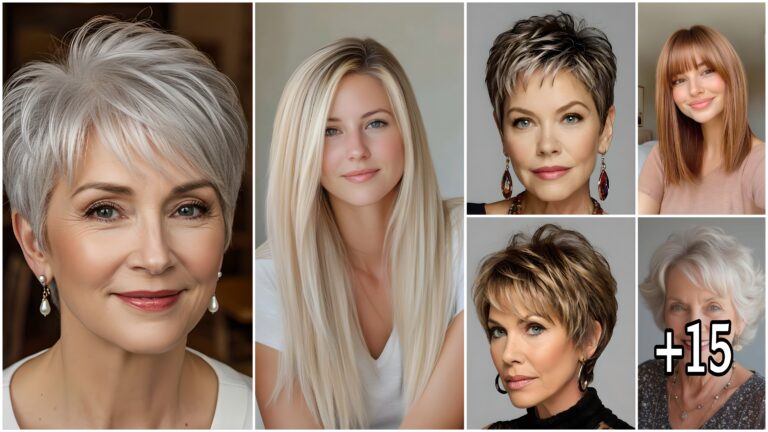
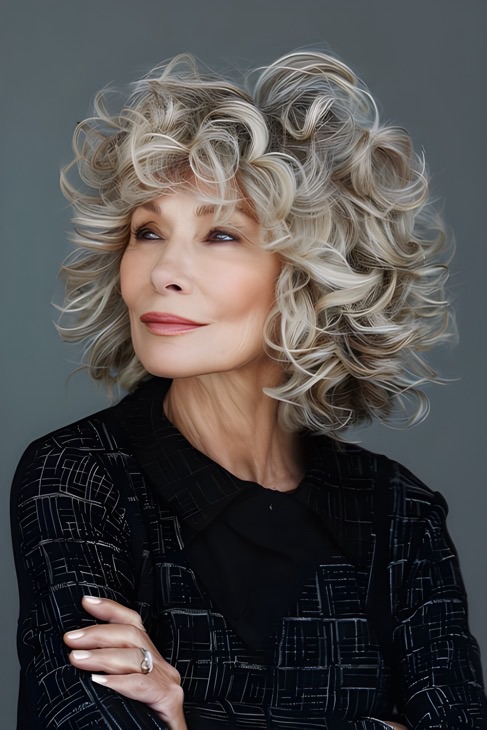
Short hair is often associated with boldness and modernity. For women with frizzy hair, going short can be a game-changer. Here’s a breakdown of the advantages and disadvantages of short frizzy hair.
Pros of Short Frizzy Hair
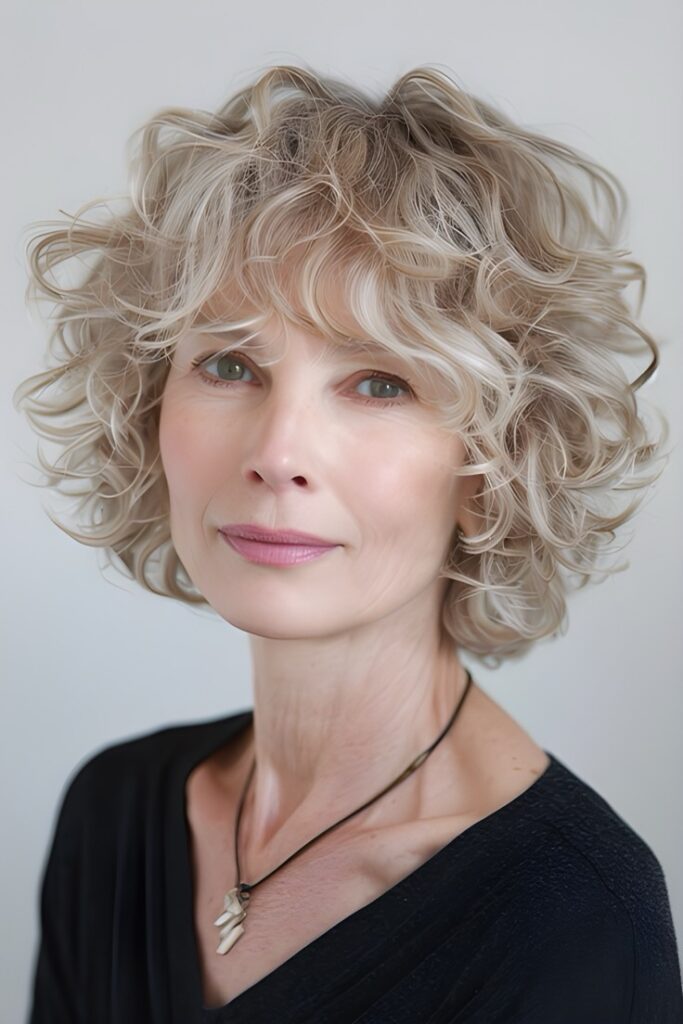
- Low Maintenance: Short hair is generally easier to manage. It requires less product, less time to style, and is less prone to tangling.
- Reduced Frizz: Shorter hair is less exposed to environmental factors like wind and humidity, which can help keep frizz under control.
- Healthier Appearance: Regular trims are easier to maintain with short hair, leading to healthier-looking locks. You’re also more likely to cut off damaged ends, reducing overall frizz.
- Bold and Stylish: Short hair can make a strong fashion statement. It’s a great way to embrace your natural texture and stand out from the crowd.
Cons of Short Frizzy Hair
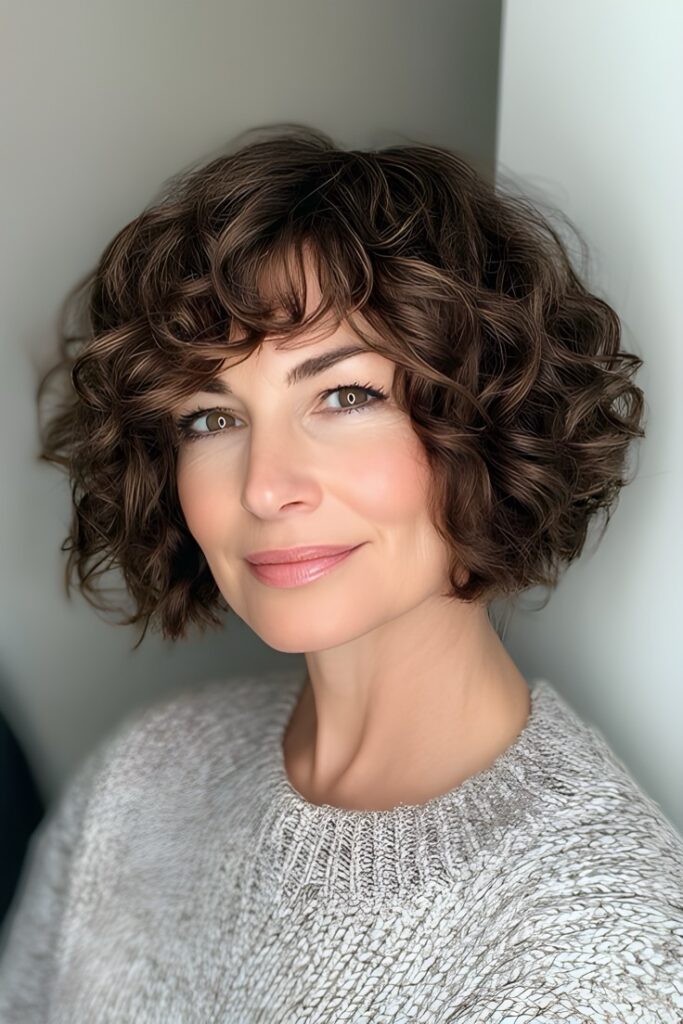
- Limited Styling Options: While short hair can be stylish, it offers fewer styling options compared to long hair. You may need to rely more on products to achieve your desired look.
- Frequent Trims Required: To maintain a short style, you’ll need to visit the salon more often for trims. This can be time-consuming and costly.
- Volume Control: Short hair can sometimes appear too voluminous, especially if you have thick, frizzy hair. This may require additional styling to keep it under control.
- Not for Everyone: Short hair can be a dramatic change, and not all women feel comfortable with it. It’s important to choose a style that complements your face shape and personal style.
How to Decide: Long or Short?
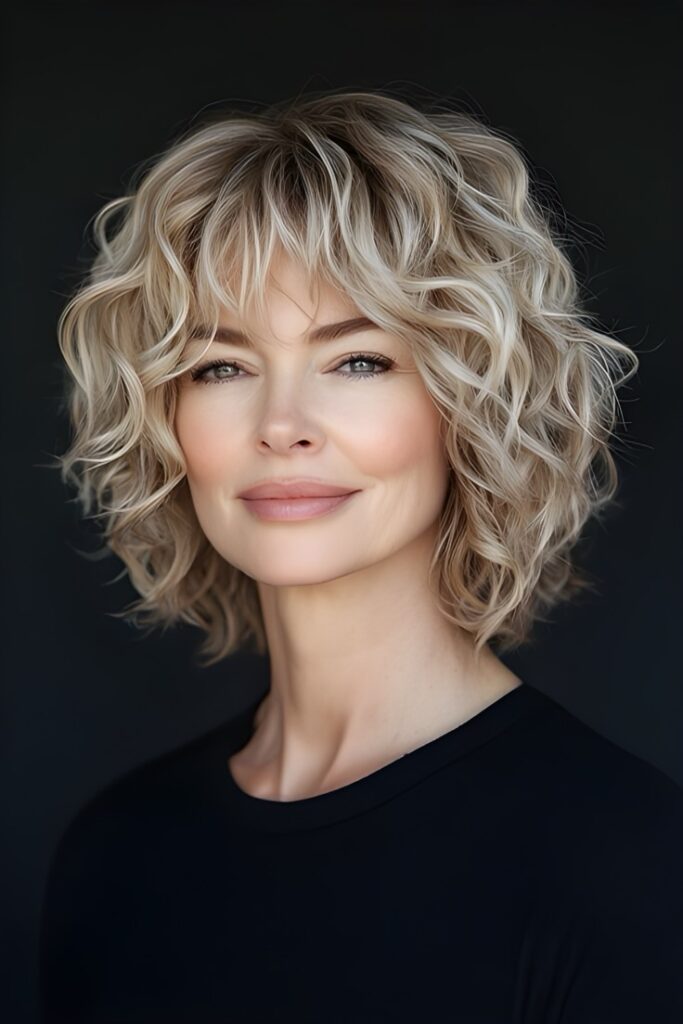
Choosing between long and short frizzy hair ultimately comes down to your personal preferences, lifestyle, and hair care routine. Here are some factors to consider when making your decision:
- Lifestyle: If you lead a busy life and don’t have much time for hair care, short hair might be the better option. On the other hand, if you enjoy experimenting with different styles and don’t mind the extra maintenance, long hair could be a great choice.
- Hair Texture: Consider your hair’s natural texture. Women with looser waves might find long hair easier to manage, while those with tighter curls or coils might prefer the simplicity of a short style.
- Face Shape: Certain hairstyles complement specific face shapes better. For example, short pixie cuts can accentuate angular features, while long layers can soften a round face.
- Commitment to Maintenance: Be honest about how much time and effort you’re willing to invest in your hair. Long hair requires more care, while short hair needs frequent trims.
Tips for Managing Frizzy Hair, Regardless of Length
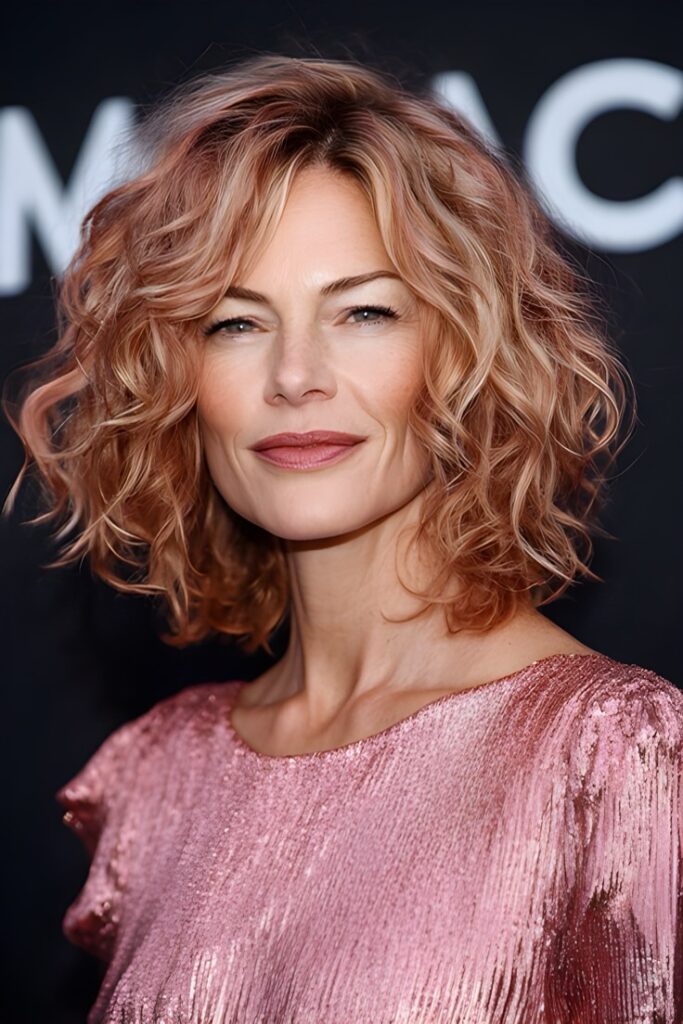
Whether you choose long or short hair, managing frizz is key to maintaining healthy, beautiful locks. Here are some tips to help you keep frizz under control:
- Hydrate and Moisturize: Use deep conditioning treatments and leave-in conditioners to keep your hair hydrated. Look for products with ingredients like shea butter, argan oil, and glycerin.
- Avoid Heat Styling: Excessive heat can damage your hair and increase frizz. If you must use heat tools, always apply a heat protectant and use the lowest possible setting.
- Embrace Anti-Frizz Products: Serums, creams, and oils designed to combat frizz can be a lifesaver. Apply them to damp hair for best results.
- Sleep on Silk: Cotton pillowcases can cause friction and increase frizz. Switch to a silk or satin pillowcase to reduce breakage and maintain smoothness.
- Regular Trims: Whether your hair is long or short, regular trims are essential to prevent split ends and keep your hair looking healthy.
Embrace Your Unique Hair Journey
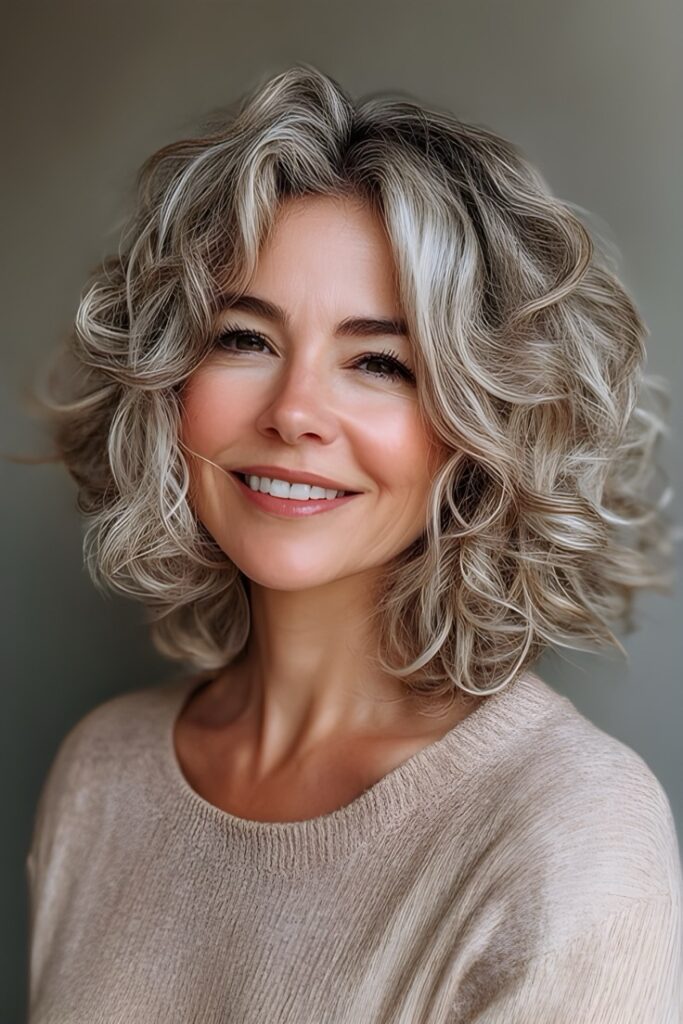
The decision to keep your frizzy hair long or short is a personal one that depends on your individual needs and preferences. Both options have their pros and cons, and there’s no one-size-fits-all answer. The key is to embrace your natural texture and choose a style that makes you feel confident and beautiful.
Remember, frizzy hair is not a flaw—it’s a unique characteristic that sets you apart. With the right care and styling techniques, you can rock any length with pride. So, whether you’re team long locks or team short and sassy, the most important thing is to love and care for your hair just the way it is.
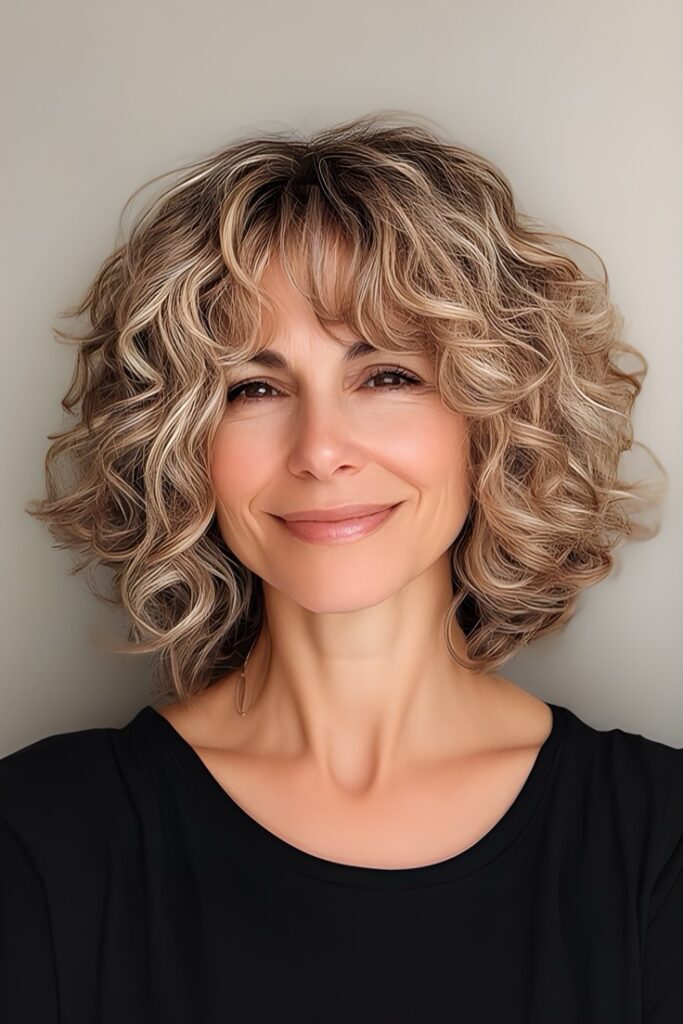
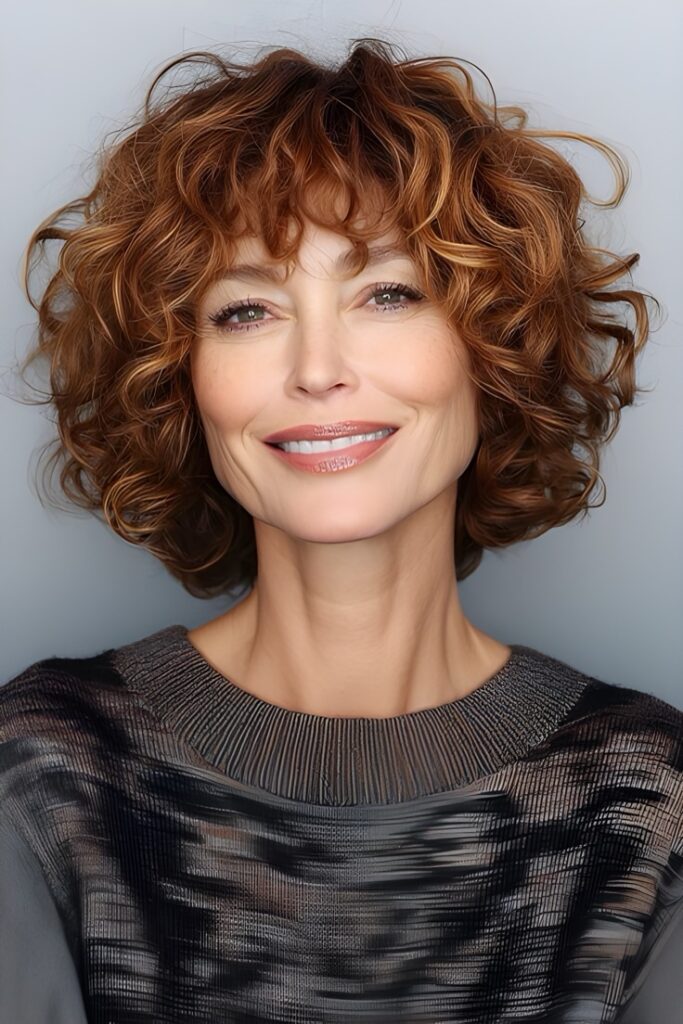
By following these tips and understanding the nuances of frizzy hair, you’ll be well-equipped to make an informed decision about your hair length. Whether you choose to grow it out or chop it off, your frizzy hair can be your crowning glory with the right approach.