
When it comes to hair care, one of the most frequently asked questions is, “How often should I wash my hair?” The answer, however, is not as straightforward as you might think. It depends on a variety of factors, including your hair type, scalp condition, lifestyle, and even the climate you live in. In this comprehensive guide, we’ll delve deep into the science of hair washing, debunk common myths, and provide you with practical tips to help you determine the best washing frequency for your unique needs.
Understanding Your Hair and Scalp

Before we dive into how often you should wash your hair, it’s important to understand the basics of your hair and scalp. Your scalp produces natural oils, known as sebum, which help to keep your hair moisturized and protected. These oils are essential for maintaining healthy hair, but too much or too little can lead to problems.
If you wash your hair too frequently, you risk stripping away these natural oils, leaving your hair dry, brittle, and prone to breakage. On the other hand, if you don’t wash your hair often enough, excess oil can build up, leading to a greasy scalp, clogged hair follicles, and even dandruff.
Factors That Influence How Often You Should Wash Your Hair
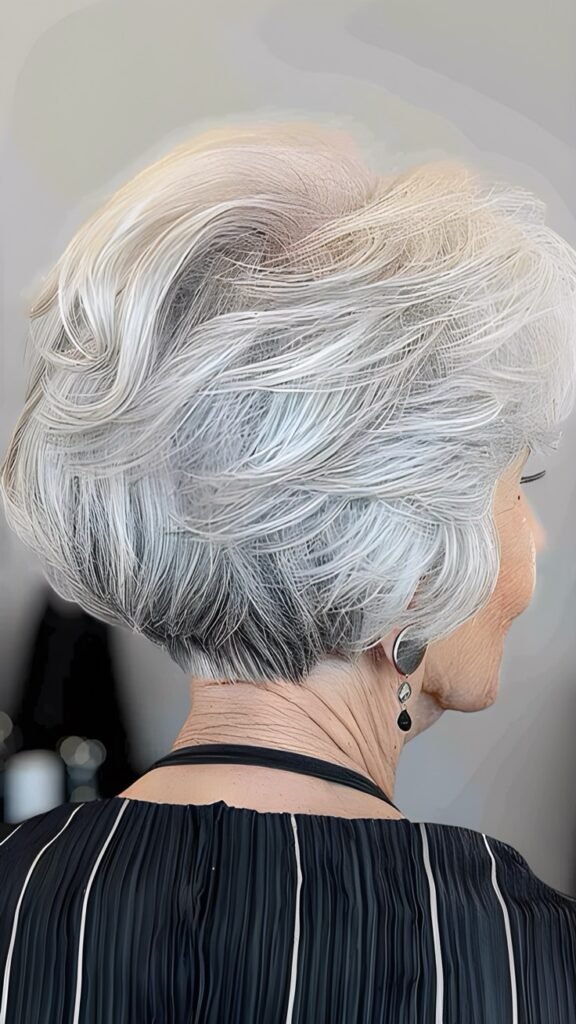
- Hair Type: Your hair type plays a significant role in determining how often you should wash it. For example, if you have fine hair, it may become oily more quickly, requiring more frequent washing. Conversely, if you have thick or curly hair, it may take longer for oils to travel down the hair shaft, so you can go longer between washes.
- Scalp Condition: If you have a dry scalp, you may not need to wash your hair as often, as your scalp doesn’t produce as much oil. However, if you have an oily scalp, you may need to wash your hair more frequently to prevent buildup.
- Lifestyle: Your daily activities can also impact how often you should wash your hair. If you exercise regularly and sweat a lot, you may need to wash your hair more often to remove sweat and dirt. Similarly, if you live in a polluted environment, you may need to wash your hair more frequently to remove pollutants.
- Climate: The climate you live in can also affect your hair washing routine. In humid climates, your hair may become oily more quickly, requiring more frequent washing. In dry climates, your hair may become dry and brittle, so you may need to wash it less often.
Common Hair Washing Myths Debunked
There are many myths surrounding hair washing, and it’s important to separate fact from fiction. Let’s take a look at some of the most common myths and the truth behind them.
Myth 1: You Should Wash Your Hair Every Day
This is one of the most pervasive myths about hair washing. While it’s true that some people may need to wash their hair daily, this is not the case for everyone. Washing your hair every day can strip away natural oils, leading to dryness and damage. For most people, washing your hair 2-3 times a week is sufficient.
Myth 2: Not Washing Your Hair Makes It Healthier
While it’s true that overwashing can be damaging, not washing your hair at all can also lead to problems. Excess oil buildup can clog hair follicles, leading to scalp issues like dandruff and even hair loss. It’s all about finding the right balance for your hair type and scalp condition.
Myth 3: Cold Water Makes Your Hair Shinier
There’s a common belief that rinsing your hair with cold water can make it shinier. While cold water can help to seal the hair cuticle, making your hair appear smoother, it’s not a magic solution for shiny hair. The key to shiny hair is proper hydration, a healthy diet, and using the right hair care products.
How to Determine the Right Washing Frequency for Your Hair


Now that we’ve covered the basics, let’s talk about how to determine the right washing frequency for your hair. Here are some steps you can follow to find the perfect balance:
- Start with a Baseline: If you’re unsure how often to wash your hair, start by washing it every other day. Pay attention to how your hair and scalp feel. If your hair feels dry or your scalp feels tight, you may be washing it too often. If your hair feels greasy or your scalp feels itchy, you may need to wash it more frequently.
- Adjust Based on Your Hair Type: As mentioned earlier, your hair type plays a significant role in determining how often you should wash it. If you have fine hair, you may need to wash it more often, while those with thick or curly hair can go longer between washes.
- Consider Your Lifestyle: If you exercise regularly or live in a polluted environment, you may need to wash your hair more often. On the other hand, if you have a more sedentary lifestyle or live in a clean environment, you may be able to wash your hair less frequently.
- Listen to Your Scalp: Your scalp is a good indicator of whether you’re washing your hair too often or not enough. If your scalp feels dry or itchy, you may be washing it too often. If it feels greasy or you notice buildup, you may need to wash it more frequently.
- Experiment and Adjust: Finding the right washing frequency for your hair may take some trial and error. Don’t be afraid to experiment with different washing schedules and adjust based on how your hair and scalp feel.
Tips for Healthy Hair Washing

Once you’ve determined the right washing frequency for your hair, there are some additional tips you can follow to keep your hair healthy and looking its best:
- Use the Right Shampoo and Conditioner: Choose a shampoo and conditioner that are suited to your hair type and scalp condition. If you have dry hair, look for moisturizing products. If you have oily hair, opt for clarifying shampoos that can help to remove excess oil.
- Don’t Overwash: As we’ve discussed, overwashing can strip away natural oils and lead to dryness and damage. Stick to your determined washing frequency and avoid washing your hair more often than necessary.
- Use Lukewarm Water: While cold water can help to seal the hair cuticle, it’s not necessary to use ice-cold water. Lukewarm water is ideal for washing your hair, as it helps to open the hair cuticle and allow the shampoo to cleanse effectively.
- Massage Your Scalp: When washing your hair, take the time to massage your scalp. This helps to stimulate blood flow, which can promote healthy hair growth. It also helps to remove dirt and oil buildup.
- Rinse Thoroughly: Make sure to rinse your hair thoroughly after shampooing and conditioning. Any leftover product can weigh down your hair and lead to buildup.
- Avoid Heat Styling: Heat styling tools like flat irons and curling wands can damage your hair, especially if used frequently. Try to limit your use of heat styling tools and opt for heat-free styling methods whenever possible.
- Protect Your Hair from the Sun: Just like your skin, your hair can be damaged by the sun’s UV rays. Wear a hat or use a hair product with UV protection to shield your hair from the sun.
- Trim Regularly: Regular trims are essential for maintaining healthy hair. Trimming your hair every 6-8 weeks helps to remove split ends and prevent further damage.
Special Considerations for Different Hair Types

Different hair types have different needs when it comes to washing. Here’s a closer look at how often you should wash your hair based on your hair type:
Fine Hair: If you have fine hair, it’s more prone to becoming oily, so you may need to wash it more frequently. Aim to wash your hair every other day or every two days.
Thick or Coarse Hair: Thick or coarse hair tends to be drier, so you can go longer between washes. Washing your hair 2-3 times a week is usually sufficient.
Curly or Wavy Hair: Curly and wavy hair is often drier than straight hair, so you may only need to wash it once or twice a week. Overwashing can lead to frizz and dryness, so be mindful of your washing frequency.
Oily Hair: If you have an oily scalp, you may need to wash your hair more frequently. However, be careful not to overwash, as this can lead to your scalp producing even more oil. Aim to wash your hair every other day or every two days.
Dry Hair: If you have dry hair, you may only need to wash it once or twice a week. Overwashing can strip away natural oils, leading to further dryness and damage.
The Role of Dry Shampoo

Dry shampoo has become a popular product for extending the time between hair washes. It works by absorbing excess oil and adding volume to your hair, making it look fresher and cleaner. However, it’s important to use dry shampoo in moderation. While it can be a great tool for extending the time between washes, it’s not a substitute for washing your hair. Overuse of dry shampoo can lead to buildup on your scalp, which can clog hair follicles and lead to scalp issues.
If you do use dry shampoo, make sure to use it sparingly and only when necessary. It’s also important to wash your hair thoroughly after using dry shampoo to remove any residue.
The Impact of Hair Products on Washing Frequency

The hair products you use can also impact how often you need to wash your hair. For example, if you use a lot of styling products like gels, mousses, or hairsprays, you may need to wash your hair more frequently to remove buildup. On the other hand, if you use lightweight, natural products, you may be able to go longer between washes.
When choosing hair products, look for ones that are suited to your hair type and scalp condition. Avoid products that contain harsh chemicals or sulfates, as these can strip away natural oils and lead to dryness and damage.
The Importance of a Healthy Diet for Hair Health


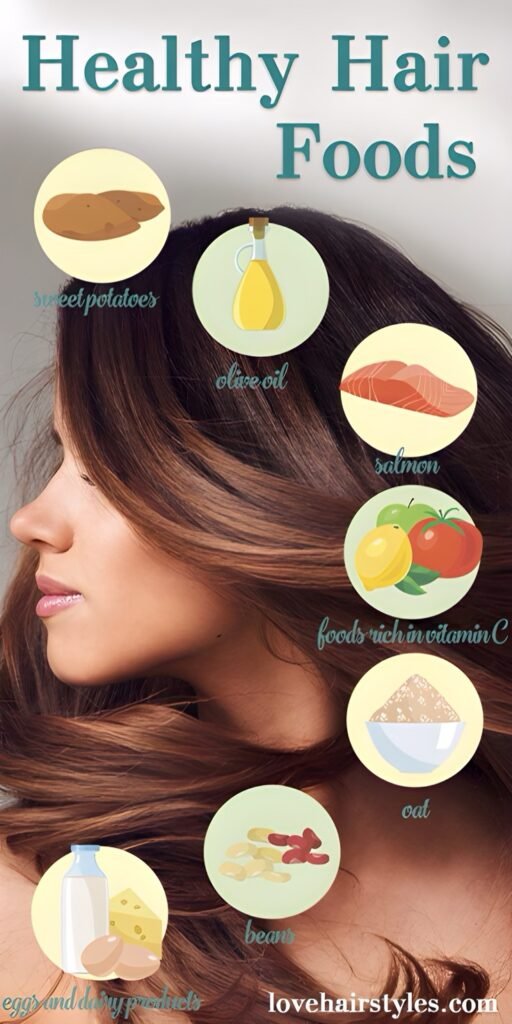
While washing your hair is important for maintaining its health, it’s not the only factor to consider. Your diet also plays a significant role in the health of your hair. A diet rich in vitamins, minerals, and essential fatty acids can help to promote healthy hair growth and prevent issues like dryness and breakage.
Some key nutrients for healthy hair include:
- Protein: Hair is made up of a protein called keratin, so it’s important to include plenty of protein in your diet. Good sources of protein include lean meats, fish, eggs, beans, and nuts.
- Omega-3 Fatty Acids: Omega-3 fatty acids are essential for maintaining healthy hair and scalp. They help to keep your hair hydrated and prevent dryness. Good sources of omega-3s include fatty fish like salmon, walnuts, and flaxseeds.
- Vitamins A and C: These vitamins are important for maintaining a healthy scalp and promoting hair growth. Vitamin A helps to produce sebum, which keeps your scalp moisturized, while vitamin C helps to produce collagen, which is essential for hair strength. Good sources of vitamin A include sweet potatoes, carrots, and spinach, while good sources of vitamin C include citrus fruits, strawberries, and bell peppers.
- Biotin: Biotin is a B vitamin that is essential for hair growth. It helps to strengthen hair and prevent breakage. Good sources of biotin include eggs, nuts, and whole grains.


Determining how often you should wash your hair is a personal decision that depends on a variety of factors, including your hair type, scalp condition, lifestyle, and climate. By understanding your hair and scalp, debunking common myths, and following the tips outlined in this guide, you can find the perfect washing frequency for your unique needs.


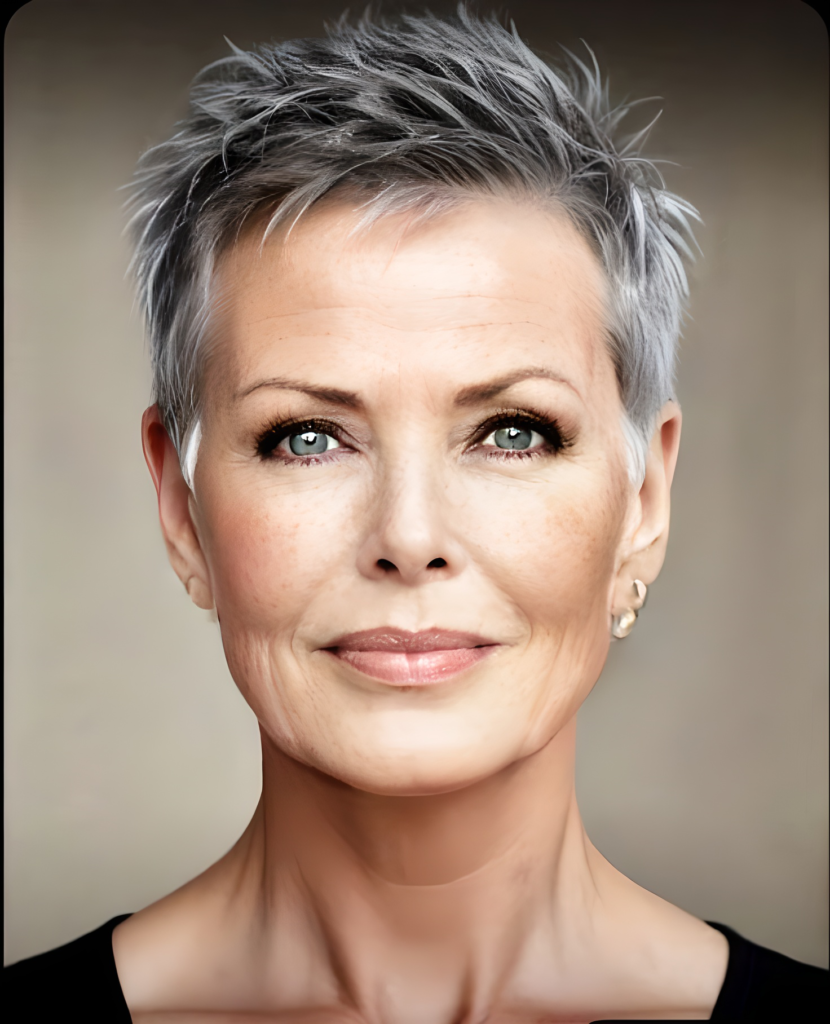
Remember, the key to healthy hair is balance. Avoid overwashing, use the right products, and maintain a healthy diet to keep your hair looking its best. With a little trial and error, you’ll be able to find the perfect hair washing routine that works for you.
So, the next time you find yourself wondering, “How often should I wash my hair?” you’ll have all the information you need to make an informed decision. Happy washing!