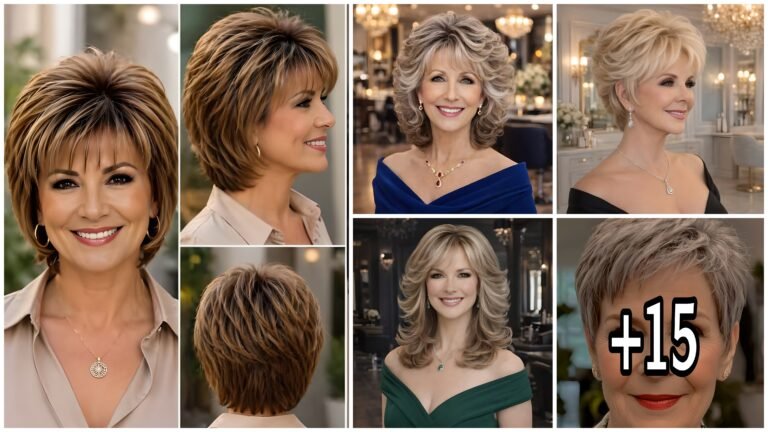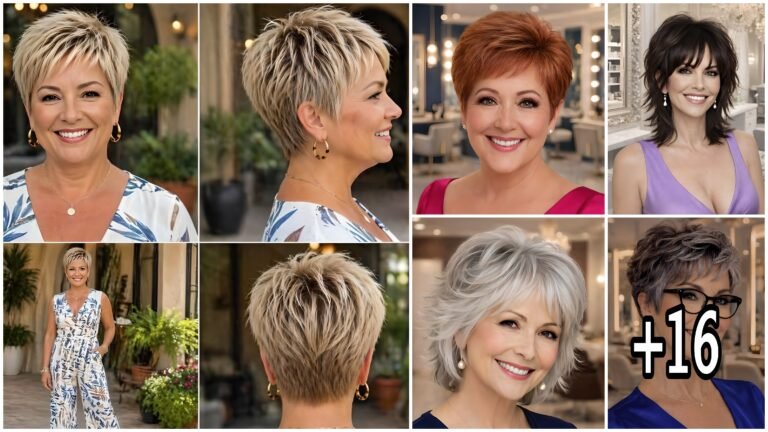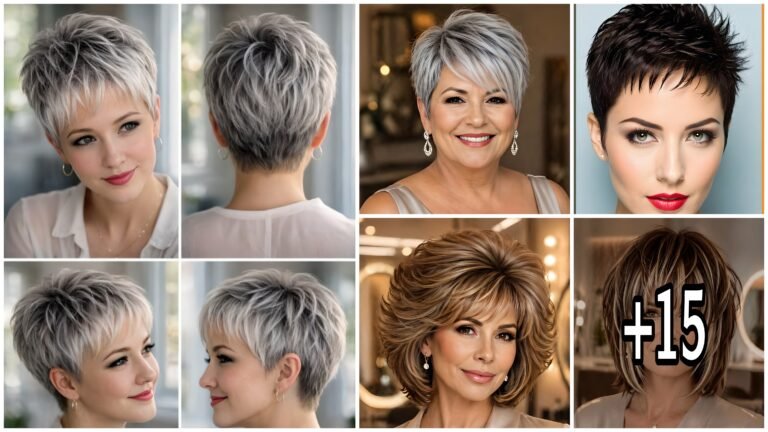
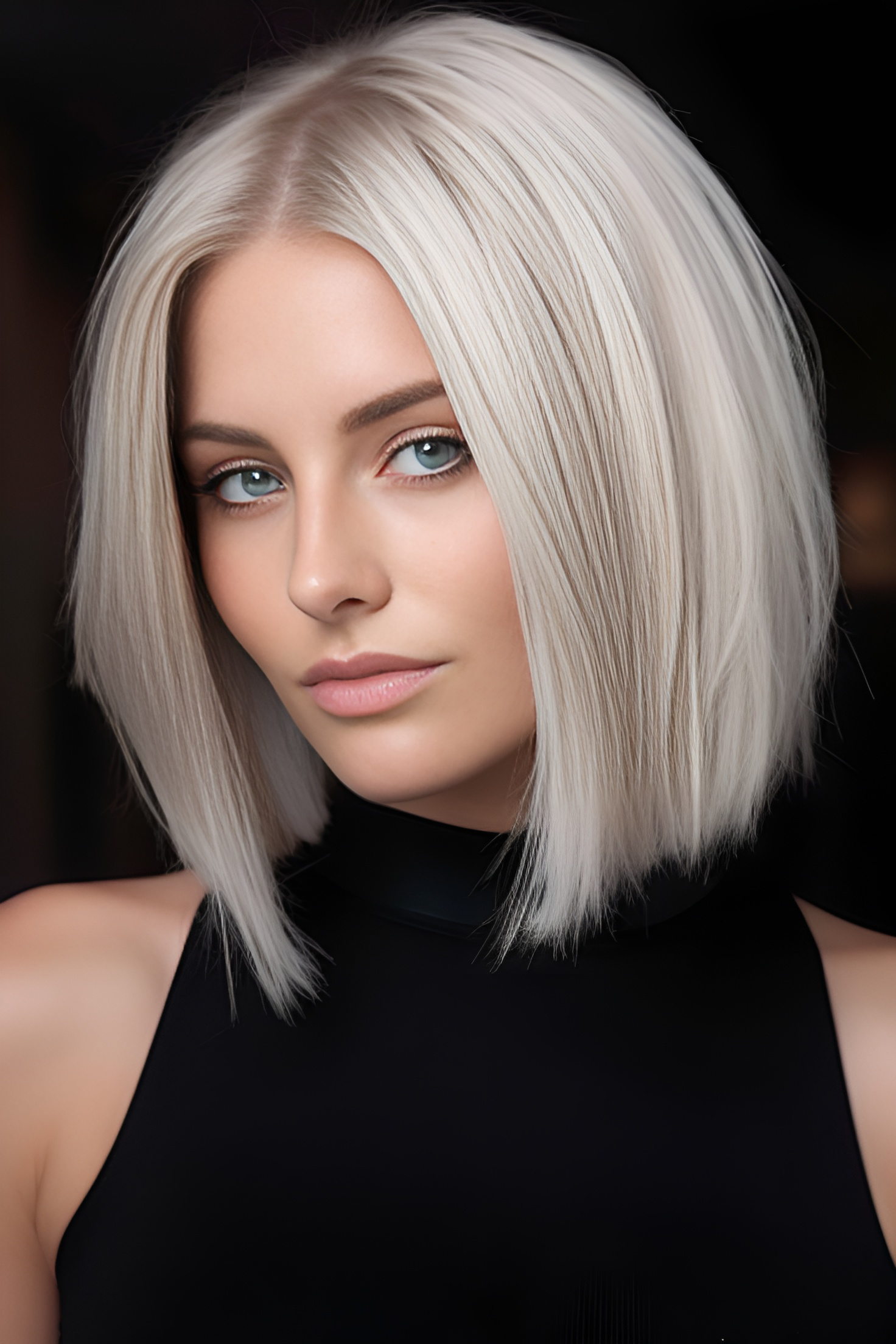
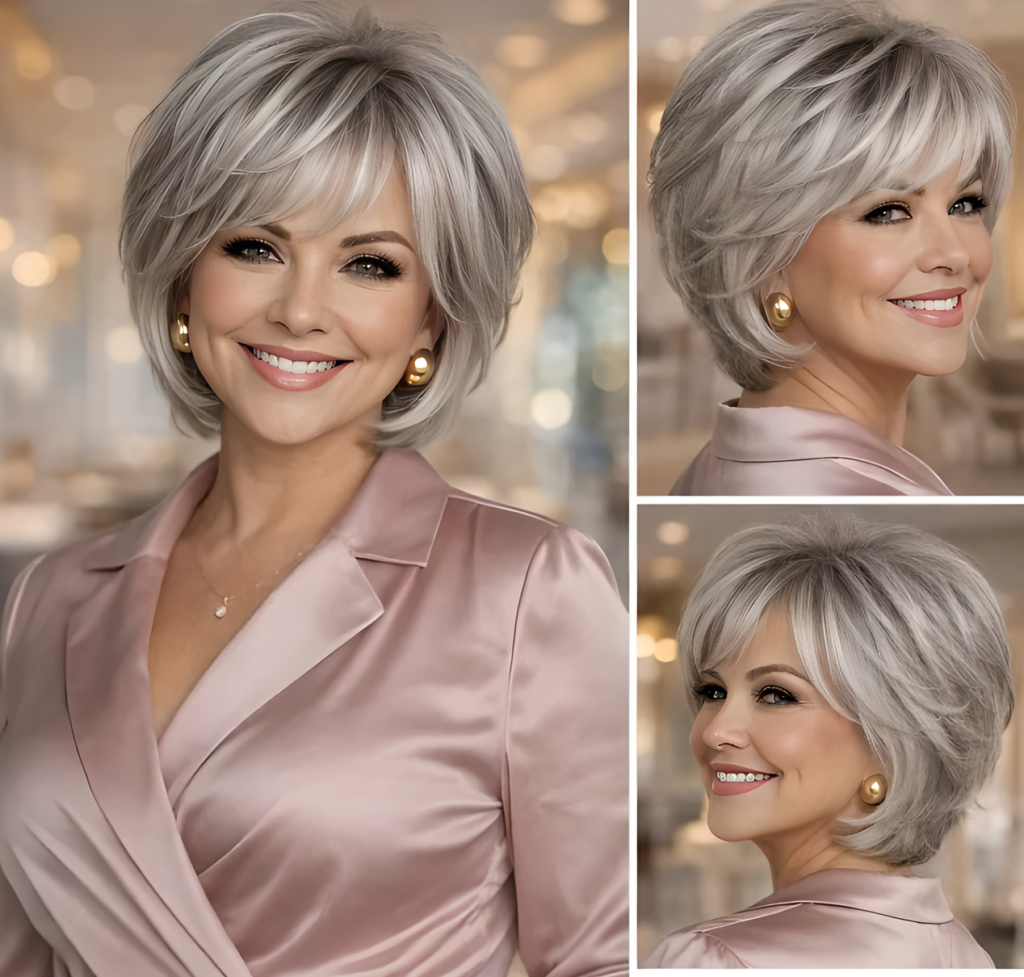
Finding a good haircutter for women can feel surprisingly difficult, especially when your hair is such an important part of your confidence, personal style, and everyday routine. A great haircut does more than simply remove length—it frames your face, enhances your features, supports your lifestyle, and makes daily styling easier and more enjoyable. On the other hand, a poor haircut can leave you frustrated for weeks or even months. That is why choosing the right hair professional is not something to rush. Whether you are looking for a subtle trim, a bold transformation, layered movement, curly hair expertise, bangs, or a low-maintenance style that fits a busy lifestyle, knowing how to find a skilled and trustworthy haircutter is essential. In this guide, you will learn how to identify a talented stylist, what red flags to avoid, what questions to ask before booking, and how to make sure the final haircut truly suits your face shape, hair texture, and personal preferences.
Why Finding the Right Haircutter Matters
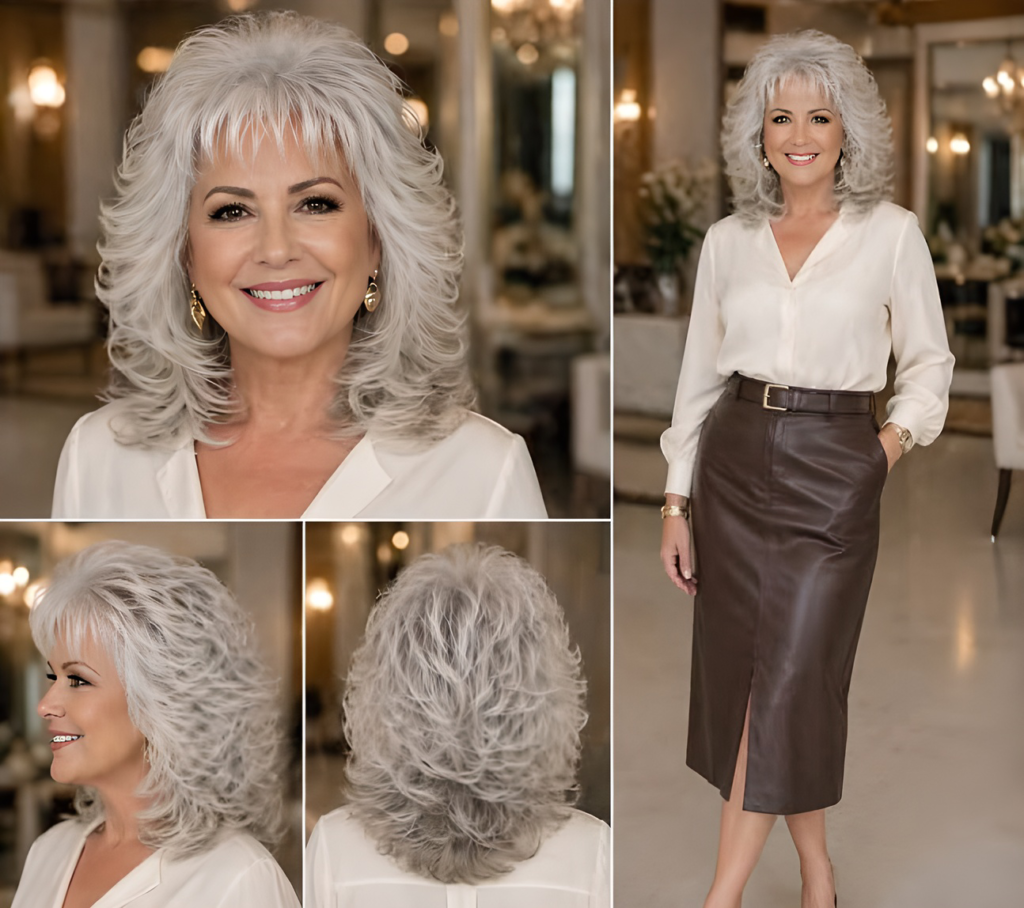
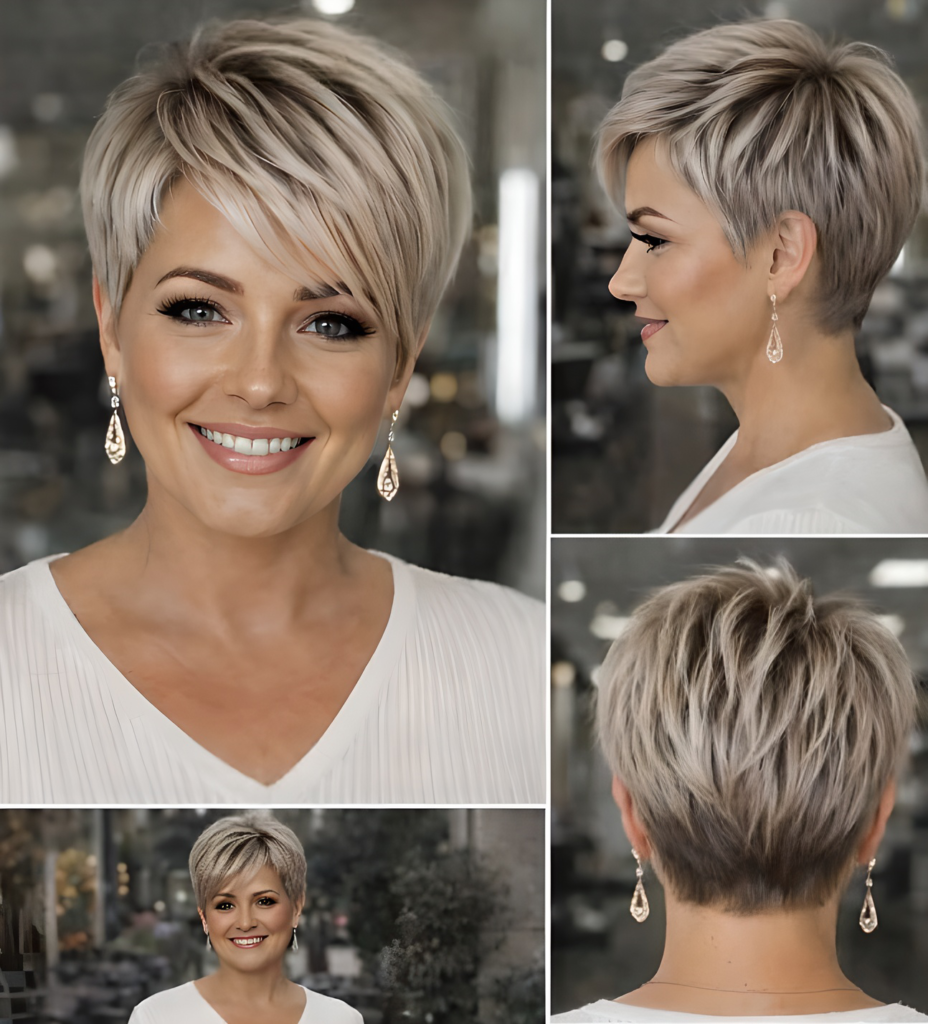
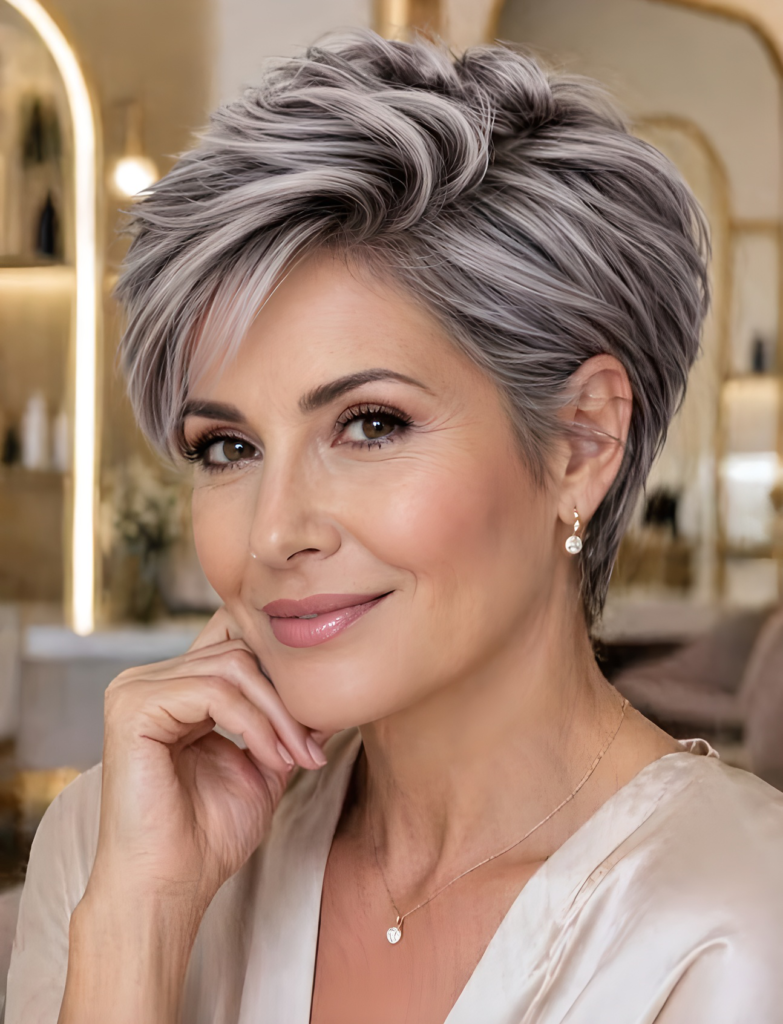
A haircut is never just a haircut. For many women, it is closely connected to self-image, professionalism, femininity, comfort, and self-expression. The right haircutter understands that every client is different. Thick hair requires different techniques than fine hair. Straight hair behaves differently from wavy, curly, or coily hair. A style that looks beautiful in a photo may not work the same way on another person because of density, growth pattern, maintenance habits, and natural texture. A good haircutter does not simply copy trends—they adapt them intelligently to the individual sitting in the chair. This is what separates an average salon visit from an exceptional one. When you find someone who listens, evaluates your hair honestly, and offers expert guidance, you are much more likely to leave with a haircut that not only looks beautiful in the salon but also remains manageable in real life.
Start by Knowing What You Want
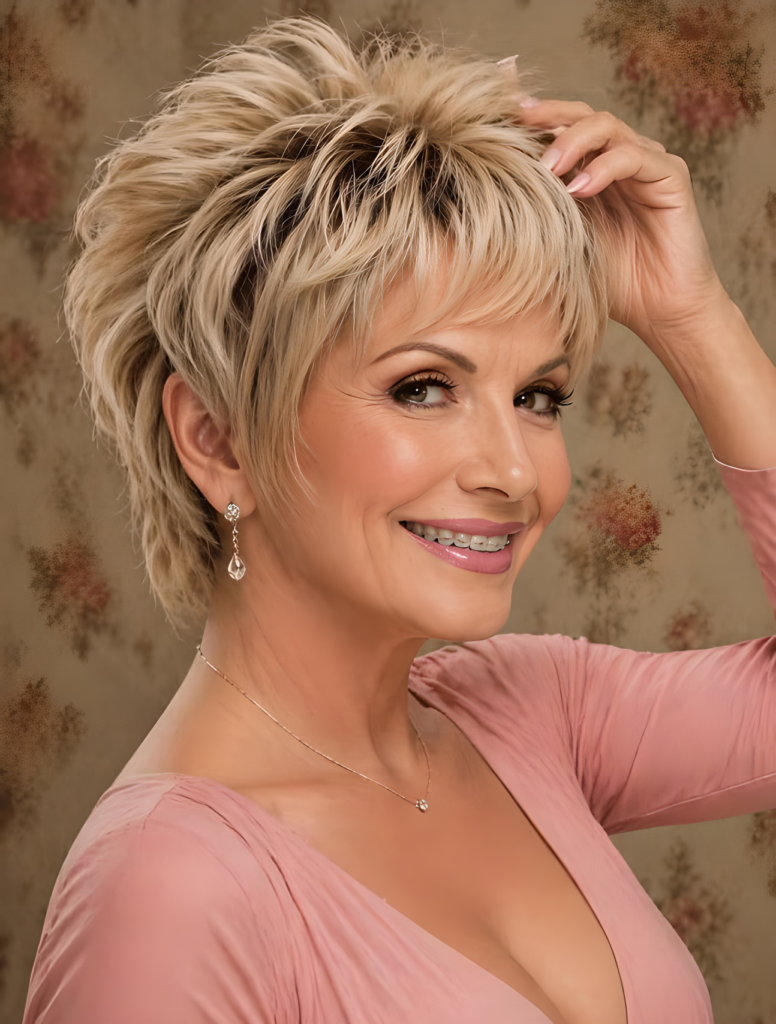
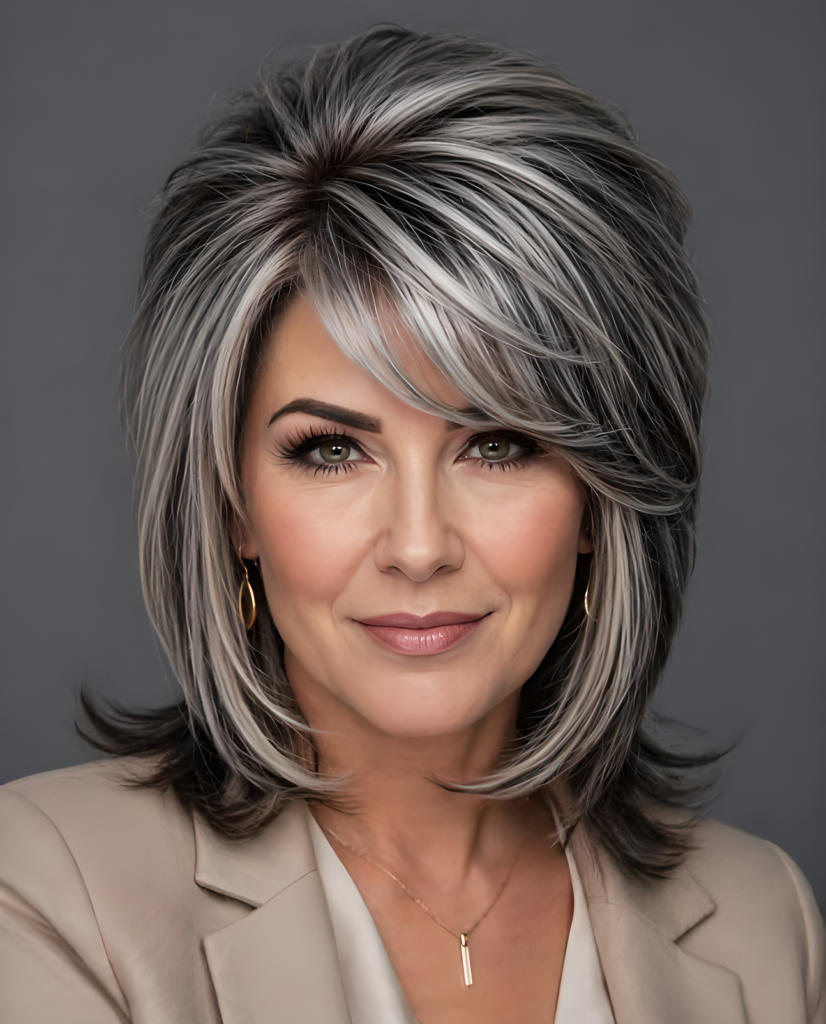
Before searching for a haircutter, it is important to have a basic idea of what you are looking for. You do not need to know technical haircut terminology, but you should understand your own goals. Are you looking for a stylist who specializes in short haircuts, long layers, curly cuts, textured bobs, fringe styling, or corrective haircuts? Do you want someone trendy and fashion-forward, or someone skilled at timeless, elegant looks? Do you prefer a high-end salon experience, or are you more focused on practical skill and consistency? The more clearly you define your needs, the easier it becomes to identify the right professional. For example, if you have naturally curly hair, you should not choose a stylist based only on beautiful straight-hair photos. Instead, you need someone with proven experience cutting curls in a way that respects shrinkage, curl pattern, and shape. Similarly, if you want a short pixie cut, look for a haircutter whose portfolio shows precision and confidence in short women’s styles.
Search Online with a Strategic Eye
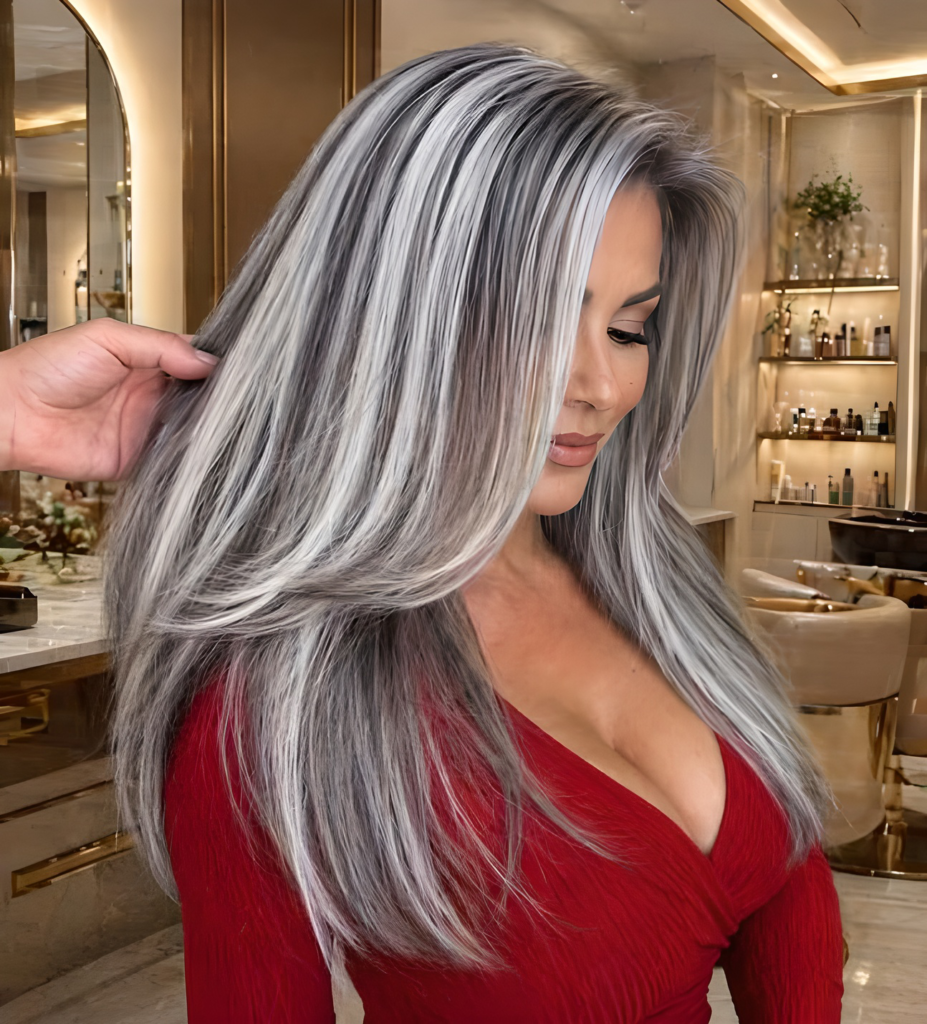
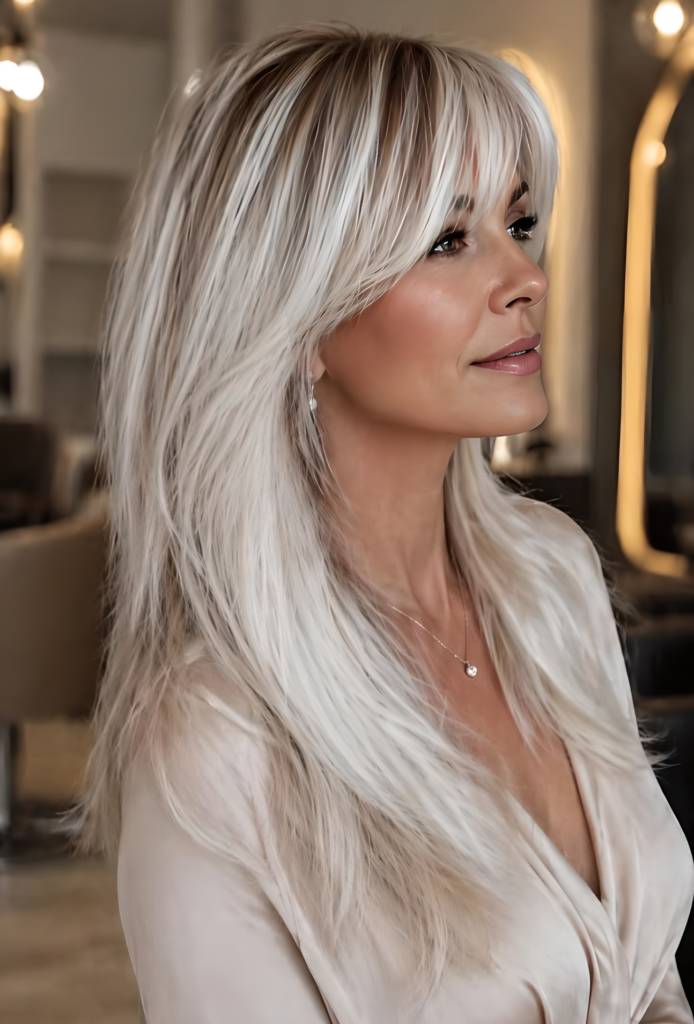
One of the best ways to find a good women’s haircutter today is through online research, but it is important to search intelligently rather than relying on the first salon you see. Start with Google using specific search phrases such as “best women’s haircut salon near me,” “curly hair specialist for women,” “layered haircut stylist near me,” or “best hairdresser for women’s bob haircut.” Read the Google reviews carefully. Do not focus only on the star rating—look for patterns in the comments. Are clients praising the stylist’s listening skills, technical accuracy, professionalism, and consistency? Are women with similar hair types to yours reporting positive results? Good reviews often mention details such as “she understood exactly what I wanted,” “he explained what would suit my face shape,” or “my haircut still looks great after weeks.” These specific comments are much more valuable than generic statements like “great service.” Also check whether the salon regularly responds professionally to feedback, since that can reflect how seriously they take client satisfaction.
Use Instagram and Visual Portfolios to Judge Real Skill
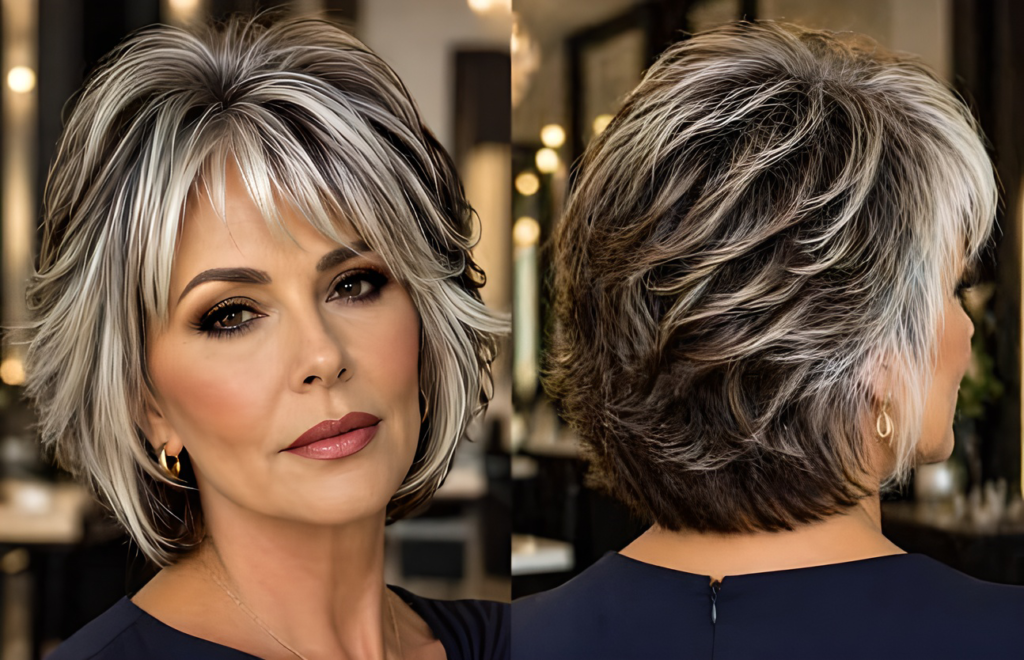
Social media, especially Instagram, can be extremely useful when searching for a women’s haircutter, because hair is a visual service and a strong portfolio often reveals more than advertising claims. Look through a stylist’s photos carefully. Do they show a range of hair textures, lengths, and face shapes, or only one type of polished result? Are the cuts visible from different angles, or are the photos mostly edited, curled, and heavily styled in ways that hide the actual haircut? A truly skilled haircutter is often confident enough to show natural results, movement, before-and-after transformations, and realistic styling. If you are interested in a particular cut—such as curtain bangs, shoulder-length layers, French bob, or curly shaping—see whether the stylist has done that style repeatedly and successfully on different women. A great portfolio should demonstrate not only beauty but consistency, versatility, and technical understanding. If everything looks the same regardless of the client, that may indicate the stylist applies one formula to everyone instead of customizing each haircut.
Ask for Personal Recommendations
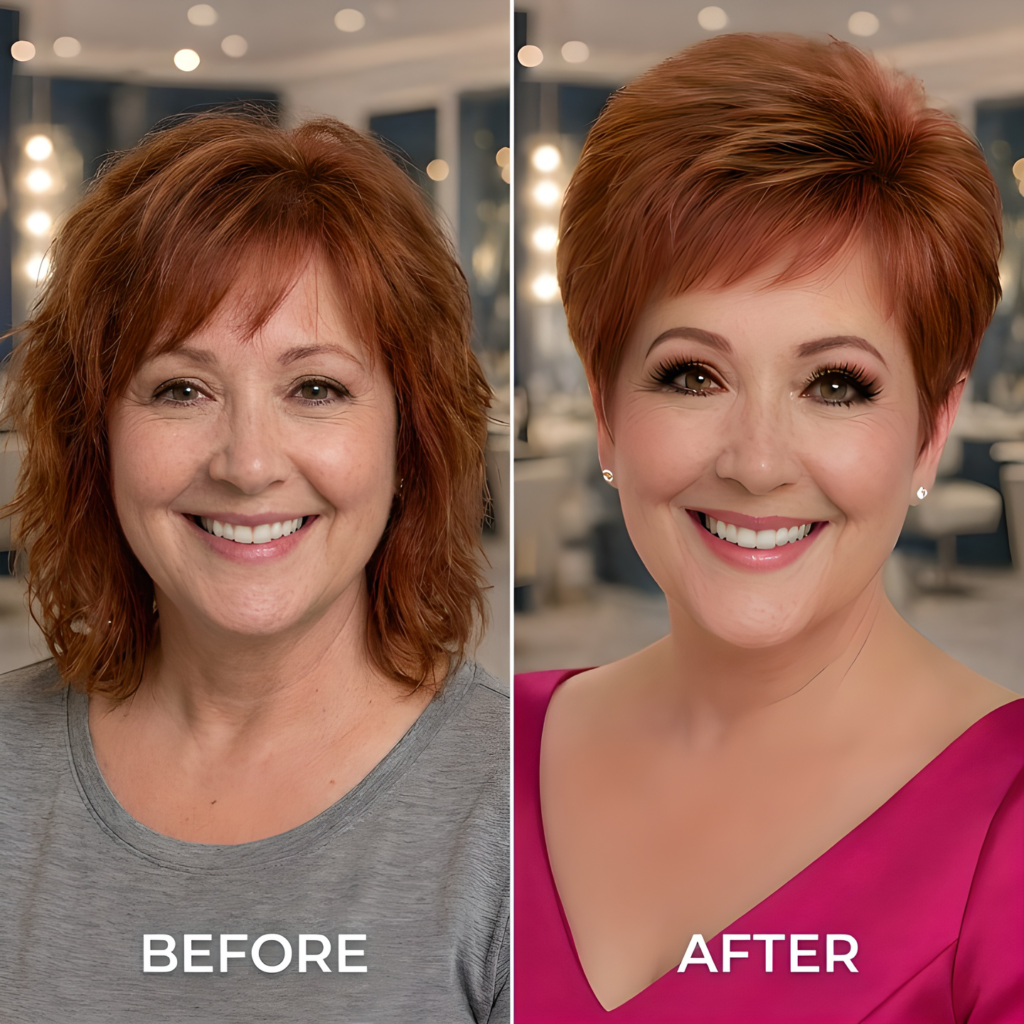
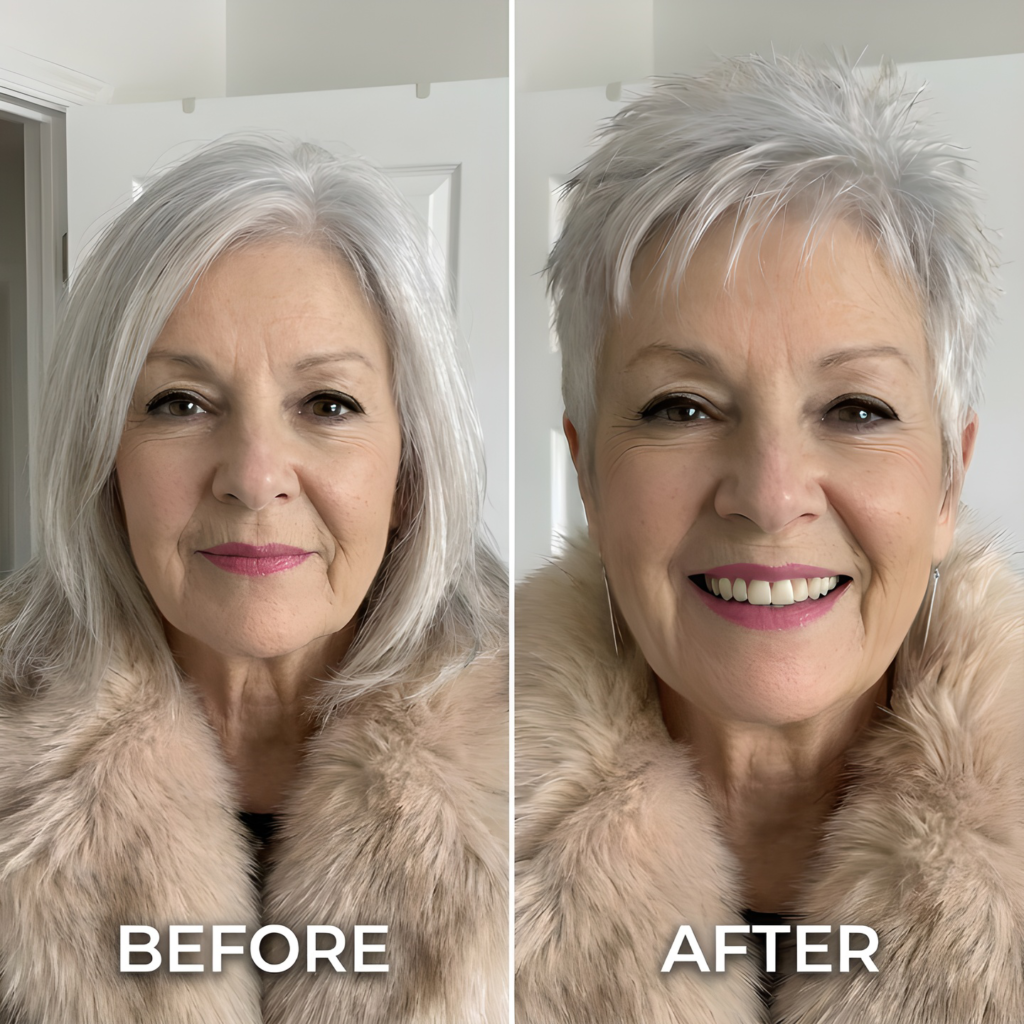
Word-of-mouth recommendations remain one of the most reliable ways to find a good haircutter for women. If you see someone whose haircut looks healthy, flattering, and well-shaped, do not be afraid to ask where she gets her hair done. Most people are happy to share the name of a stylist they trust. Recommendations from friends, coworkers, family members, or local community groups can be especially helpful because they often come with real-life context. For instance, a friend may tell you, “She is excellent with thick hair,” or “He really listens if you want something low-maintenance,” or “She is perfect for women who want soft layers without losing too much length.” These practical insights can save you time and disappointment. If possible, ask women whose hair type, texture, or style goals are similar to yours, because a stylist who is excellent with one kind of hair may not be the ideal match for another.
Check for Experience with Your Hair Type and Lifestyle
A haircut should work not only in the salon mirror but in your actual life. This is why experience with your hair type and your routine matters so much. A good women’s haircutter should understand how your hair behaves when air-dried, blow-dried, tied up, humid, or unwashed for a day or two. If you do not style your hair every morning, there is no benefit in getting a cut that requires daily precision styling to look good. Be honest with yourself about how much effort you are willing to invest. If you are a busy professional, a mother, a student, or someone who prefers simple beauty routines, ask for a haircut that grows out well and stays flattering with minimal maintenance. A skilled stylist will not push you toward a high-maintenance cut just because it looks fashionable. Instead, they will recommend something realistic and personalized. For example, long soft layers may suit a woman who wants movement without frequent salon visits, while a sharp fringe or a very short structured cut may require more regular upkeep.
Book a Consultation Before Making a Big Change
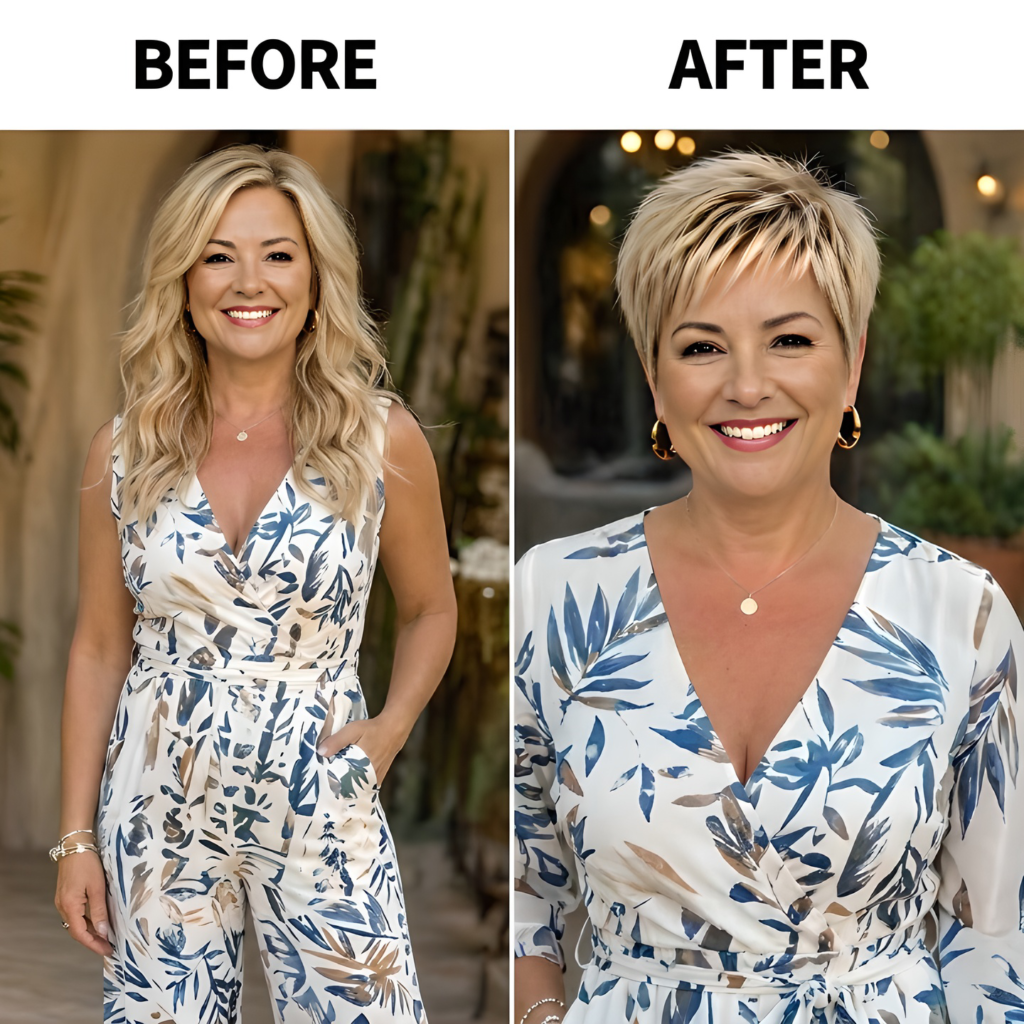
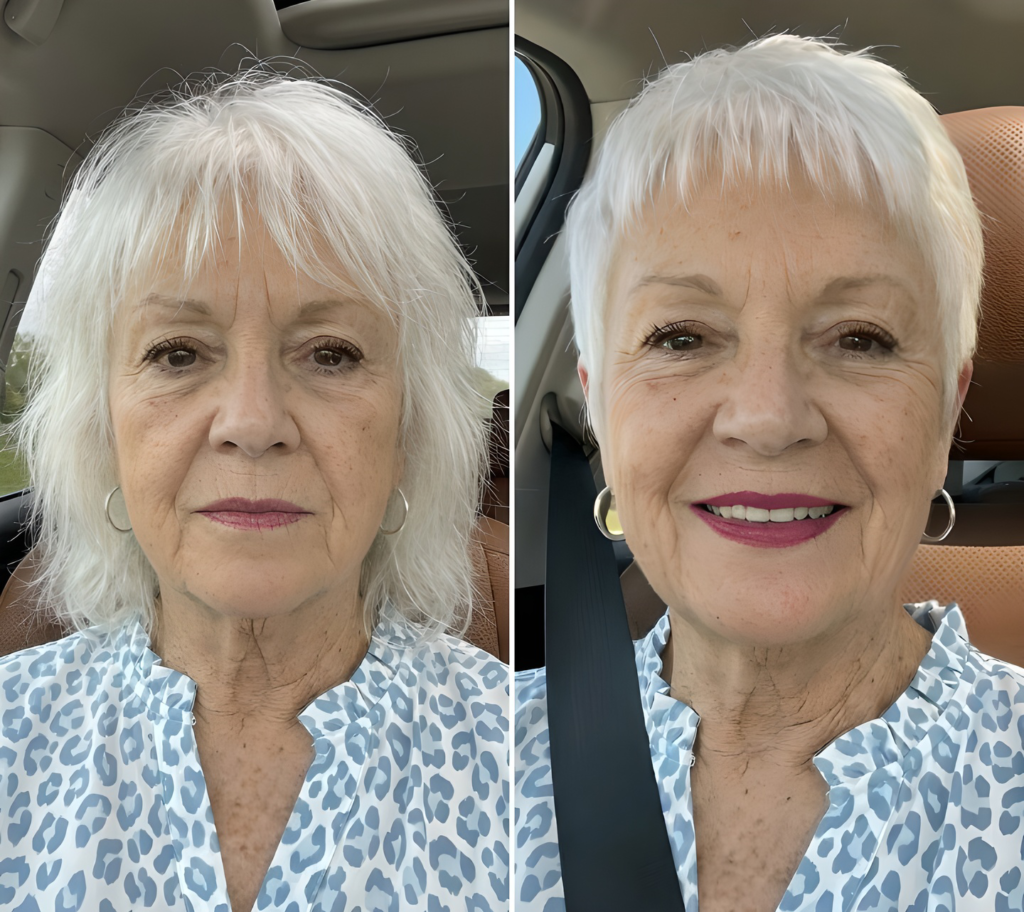
If you are planning a major haircut, booking a consultation first is one of the smartest decisions you can make. A consultation gives you the chance to evaluate the stylist before committing to the actual service. During this conversation, pay attention to how the haircutter communicates. Do they listen carefully, ask thoughtful questions, and explain what is possible with your hair? Or do they dismiss your concerns, rush the discussion, or make unrealistic promises? A good consultation should include conversation about your hair history, styling habits, face shape, hair texture, maintenance preferences, and any past haircut disappointments. You should leave feeling heard, informed, and more confident—not pressured or confused. For example, if you bring a photo of a soft layered lob, the stylist should explain whether that look is suitable for your density and texture, and if not, what similar shape would work better. The best professionals combine honesty with creativity.
Questions to Ask a Haircutter Before Booking
Asking the right questions can quickly reveal whether a stylist is a strong match for your needs. You might ask: Do you have experience cutting my hair type? What haircut would you recommend for my face shape and texture? How much maintenance will this style require? Will this cut work if I usually air-dry my hair? How often would I need trims to keep the shape? Can you adapt this reference photo to suit me? These questions are valuable because they move the conversation from appearance alone to practicality and customization. A confident and experienced women’s haircutter should be able to answer clearly and professionally. If the answers feel vague, overly sales-focused, or disconnected from your actual concerns, that may be a sign to keep looking. Great stylists educate their clients, not just impress them.
Watch for Red Flags
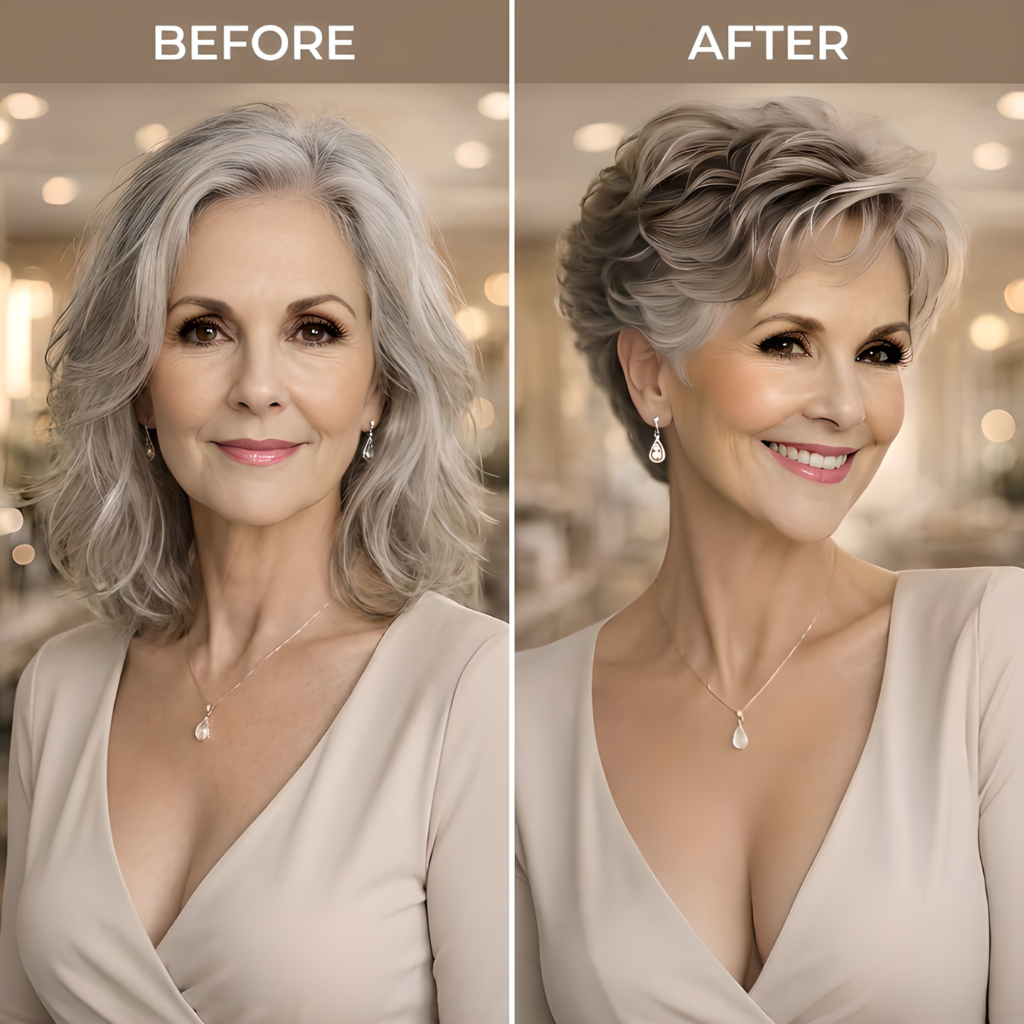
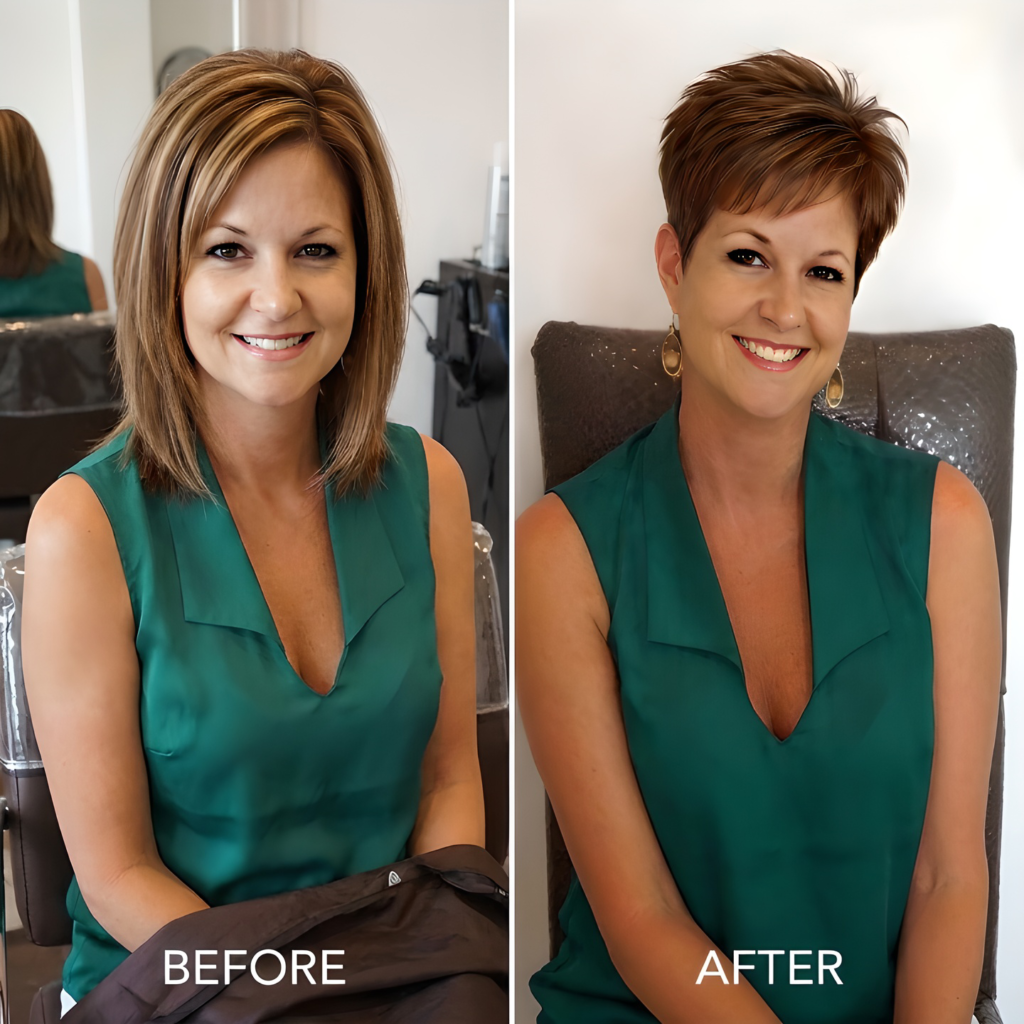
Not every salon or stylist who looks polished online will deliver quality results, so it is important to recognize warning signs. One major red flag is poor listening. If a stylist interrupts you, ignores your preferences, or insists that they know what you want better than you do, the experience may end badly. Another issue is overpromising. Hair has limits, and a good professional should be realistic about what can be achieved based on your texture, growth pattern, and current condition. Lack of visible experience with your hair type is another concern. So is a portfolio made up only of one kind of client or one heavily filtered style. Reviews that repeatedly mention uneven cuts, rushed appointments, poor communication, or styles that were much shorter than requested should also be taken seriously. Trust your instincts. If something feels off during your first interaction, it is often better to continue your search than to hope for the best.
Bring Reference Photos—but Use Them Wisely
Reference photos can be extremely helpful when communicating with a women’s haircutter, but they should be used as inspiration rather than exact blueprints. Hair photos online are affected by lighting, styling tools, editing, extensions, and naturally different hair characteristics. Bring two or three images that show what you like about the haircut—perhaps the length, the bangs, the softness around the face, or the overall shape. It can also be helpful to bring examples of what you do not want. This reduces confusion and helps the stylist understand your taste more precisely. For example, you may like shoulder-length hair but not want it too blunt, or you may want layers without losing fullness. The best results often come from a collaborative conversation where the photo starts the discussion, and the haircutter adapts the idea to your unique features and hair behavior.
Practical Example: Choosing the Right Stylist for Different Needs
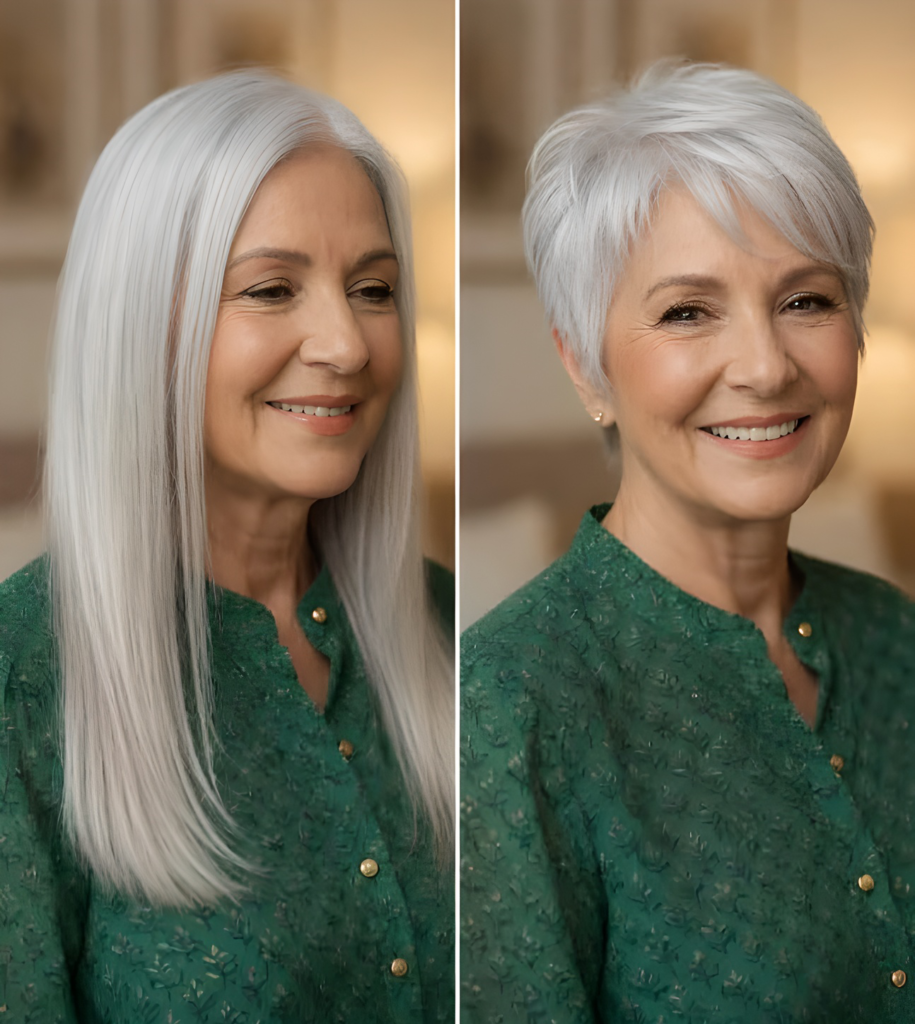
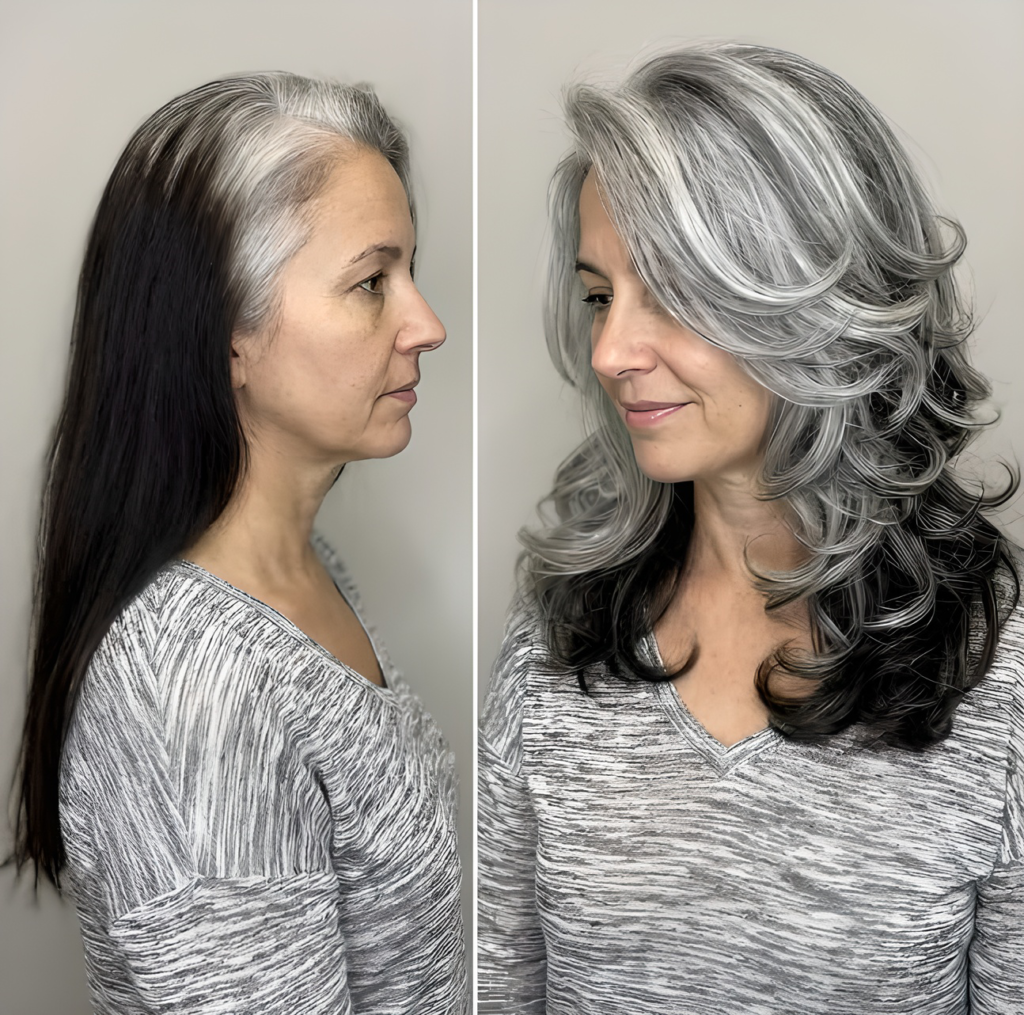
Imagine three women looking for a haircut. The first has fine, straight hair and wants more volume without losing too much length. She should look for a stylist known for movement, shape, and soft layering techniques that create fullness rather than making the ends look thin. The second has thick, wavy hair and wants a manageable cut that reduces bulk while keeping the natural texture beautiful. She needs someone experienced in shaping and weight removal without creating frizz or uneven heaviness. The third has curly hair and wants a flattering cut that works both naturally and when diffused. She should prioritize a curl specialist who understands shrinkage, dry cutting or curl-aware cutting methods, and balanced shape. These examples show why the “best” haircutter is not universal. The right choice depends on your hair, your preferences, and the stylist’s actual strengths.
Don’t Judge Only by Price
Many people assume that the most expensive stylist must be the best, but price alone does not guarantee skill, compatibility, or satisfaction. Some premium salons offer exceptional expertise and service, while others charge mainly for location, branding, or luxury atmosphere. At the same time, some moderately priced or independent stylists deliver outstanding results because they are highly experienced, client-focused, and technically strong. Instead of using price as the only filter, evaluate value. Are clients returning regularly? Does the stylist have a strong reputation for consistent women’s haircuts? Do they understand your goals and communicate clearly? A good haircut is an investment, but that investment should be based on quality and fit—not assumptions.
After the First Appointment, Evaluate the Real Result
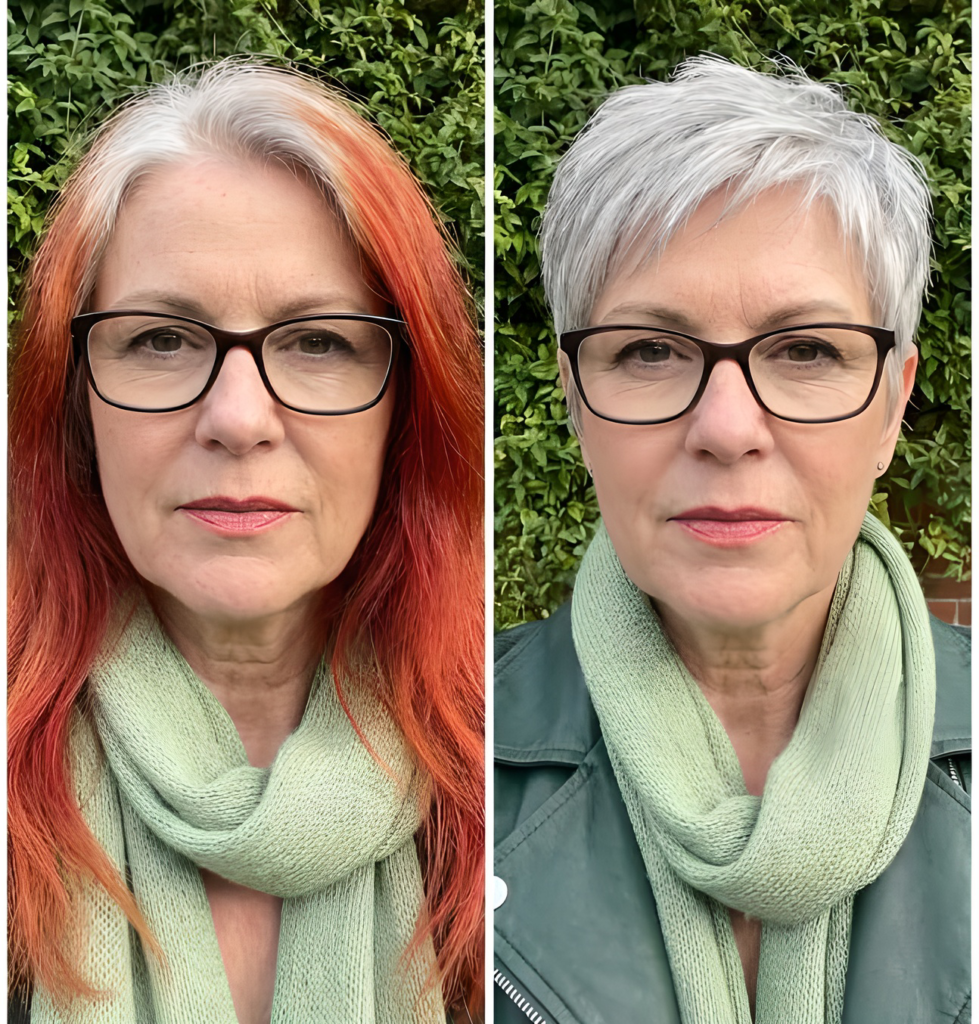
The true test of a good haircut comes after you leave the salon. Of course, it should look nice immediately, but what matters even more is how it behaves over the following days and weeks. Does it still hold its shape after you wash it yourself? Is it easy to style? Does it suit your daily life? Does it grow out gracefully? A successful women’s haircut should not depend entirely on salon finishing techniques. If your hair only looked good because of professional blow-drying and products, but becomes unmanageable at home, the cut may not be working for you. After your first appointment, take note of how you feel and how your hair performs. If the stylist listened well, delivered a flattering shape, and gave you something realistic to maintain, you may have found a valuable long-term professional relationship.
How to Build a Long-Term Relationship with a Great Haircutter
Once you find a good haircutter, building a long-term relationship can make your haircare experience much better over time. The more your stylist gets to know your hair, your habits, and your preferences, the better they can refine your haircut at each visit. Be honest in your feedback. If you loved the shape but want slightly more length next time, say so. If the bangs were beautiful but too high-maintenance, explain that. Good communication helps the stylist improve future results and tailor each appointment more precisely. Consistency also matters. Returning to the same trusted professional often leads to more predictable, polished outcomes than switching frequently between different salons with different techniques.

Finding a good haircutter for women is about much more than choosing the nearest salon or the trendiest social media page. It requires a thoughtful balance of research, observation, communication, and self-awareness. The right stylist will understand your hair type, listen to your goals, adapt styles to your features, and create a haircut that feels beautiful in both the salon and everyday life. By reading reviews carefully, studying portfolios, asking smart questions, booking consultations, and paying attention to your own maintenance needs, you can make a much more confident decision. A great haircut should enhance not just how you look, but how you feel. When you find the right haircutter, your hair becomes easier to manage, more flattering to wear, and more aligned with your personal style—and that makes all the difference.