
Getting a haircut is supposed to feel refreshing, confidence-boosting, and maybe even a little transformative. But what happens when you look in the mirror and realize the result is nothing like what you expected? For many women, this situation can feel deeply uncomfortable. A haircut is personal. It affects your confidence, your daily routine, and the way you present yourself at work, at social events, and in your everyday life. In that moment, one difficult question naturally comes up: do you have to pay for a haircut if you don’t like it? The short answer is that in most cases, yes, you are generally expected to pay for the service that was performed, but the full answer is far more nuanced. Whether you should pay, partially pay, ask for a correction, or dispute the service depends on several factors, including whether the stylist followed your request, whether the result is a matter of taste or an actual service failure, and how the salon handles client dissatisfaction. Understanding your rights, your responsibilities, and the best way to communicate can help you navigate the situation respectfully and effectively.
Why This Question Is More Complicated Than It Seems
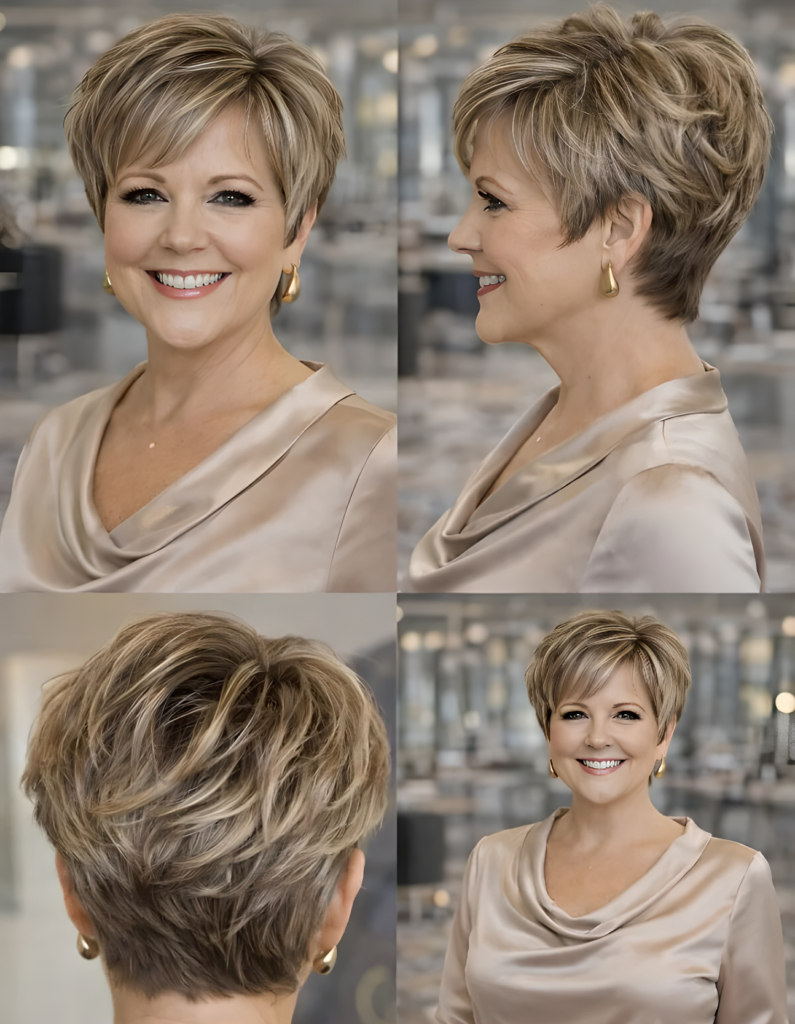

At first glance, it may sound simple. If you don’t like a service, why should you have to pay for it? But haircuts are not exactly like buying a product from a store and returning it when it doesn’t fit. A haircut is a professional service involving time, skill, labor, consultation, and materials. Once the hair has been cut, it cannot be “un-cut.” That is why salons usually treat dissatisfaction differently from businesses selling physical goods. In many cases, the issue is not that the stylist did nothing, but rather that the final result did not match the client’s expectations. For women especially, this can involve a wide range of concerns, from length being shorter than requested to layers feeling unflattering, bangs sitting awkwardly, shape not suiting the face, or styling making the cut appear worse than it actually is. The emotional factor makes the situation even more sensitive, and that is why it is important to separate disappointment from professional negligence.
Do You Legally Have to Pay If You Don’t Like the Haircut?


In most real-world situations, yes, you will likely still be expected to pay for the haircut if the stylist provided the service as agreed. Salons are generally charging for the stylist’s time and expertise, not guaranteeing that every client will personally love the final result. However, if the stylist clearly failed to deliver the requested service, acted carelessly, or caused damage beyond reasonable professional standards, then you may have stronger grounds to request a refund, a free correction, or another remedy. For example, if you specifically asked for a trim and several inches were cut off without your consent, that is more than simple dissatisfaction. If your hair was uneven due to poor technique, if chemical services were performed incorrectly, or if the stylist ignored your clear instructions, then the issue may move from “I don’t like it” to “the service was not performed properly.” That distinction matters both ethically and practically when discussing payment.
The Difference Between “I Don’t Like It” and “It Was Done Wrong”


One of the most important things to understand is the difference between personal preference and an objectively poor service result. If you showed a reference photo, discussed the style, approved the plan, and the stylist reasonably delivered a cut within that agreement, but you later decide the style does not suit you, the salon may see that as dissatisfaction rather than error. For instance, maybe you asked for curtain bangs because they looked great online, but once done, you realize they do not work with your face shape or maintenance habits. In that case, the stylist may not be at fault. On the other hand, if you asked to keep your hair below the shoulders and the stylist cut it to chin length, or if you requested soft layers and received a choppy, uneven shape, then the complaint is more concrete and valid. Women often hesitate to speak up because they do not want to seem rude, but identifying whether the issue is one of execution or preference can help you respond calmly and fairly.
What Salons Usually Expect in These Situations
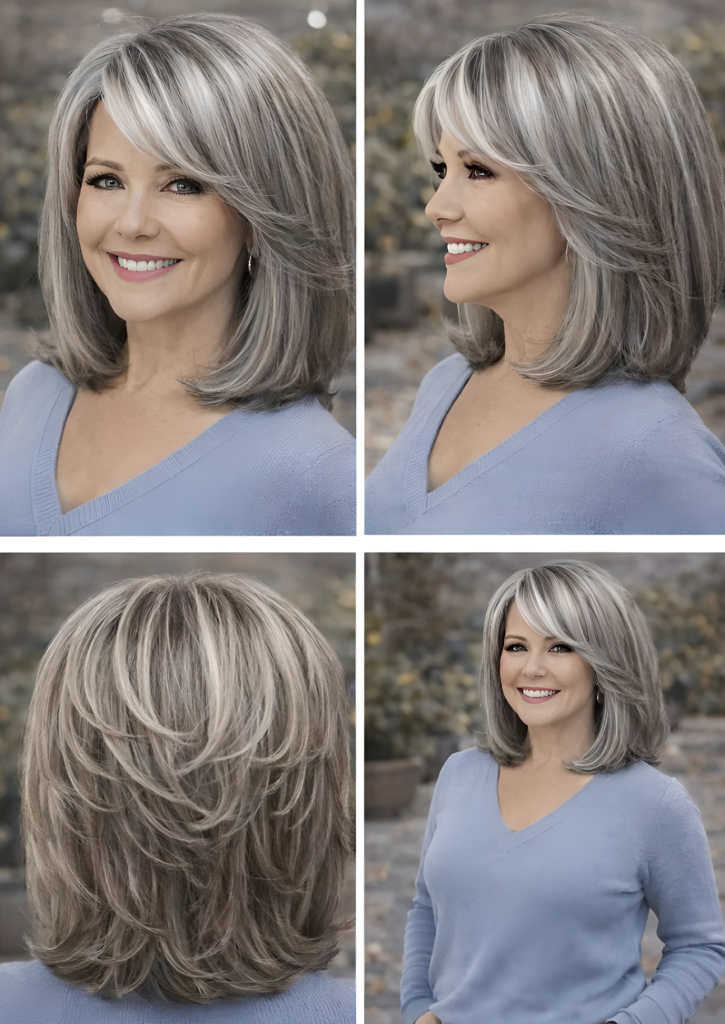

Most salons expect clients to communicate concerns immediately rather than leaving unhappy and posting negative reviews later. In fact, many reputable salons prefer the chance to correct the issue before it becomes a bigger problem. Some salons have explicit satisfaction policies that offer an adjustment within a certain number of days, often free of charge. This may involve reshaping the cut, refining bangs, softening layers, or having another stylist assess the issue. However, a correction policy is not always the same as a refund policy. Many salons are willing to fix a haircut but not necessarily return the money, especially if the service was completed in good faith. If you refuse to pay on the spot without discussing the problem respectfully, the salon may view that as unfair, since the stylist still invested labor and time. That is why communication matters so much.
What You Should Do Before Refusing Payment


If you are unhappy with your haircut, the best first step is not to argue about payment immediately but to calmly explain what feels wrong. Try to be specific. Instead of saying, “I hate it,” say something like, “I asked to keep more length around the front,” or “The layers feel much shorter than we discussed.” Specific feedback gives the stylist or salon manager an opportunity to evaluate the problem and propose a solution. In many cases, small fixes can make a big difference. A cut that looks harsh may simply need blending. Bangs may need softening. Volume may need redistribution. If the salon is professional, they will often listen and try to make things right. Women sometimes leave silently because they feel embarrassed, but silence can close the door on immediate solutions. Speaking up politely but clearly is almost always the smarter choice.
Should You Ever Refuse to Pay?


Refusing to pay should generally be a last resort, not a first reaction. If the stylist clearly performed the agreed service and the issue is mainly dissatisfaction, withholding payment entirely may not be fair or effective. But if the service was seriously mishandled, if the salon refuses to acknowledge an obvious mistake, or if your hair was cut in a way that dramatically violated your instructions, then challenging payment may be understandable. Even in that case, it is usually better to request a manager, explain your concerns, ask what remedy they can offer, and document the issue if necessary. A respectful discussion may lead to a partial refund, complimentary correction, or another compromise. Simply saying “I’m not paying” without explanation can escalate the situation quickly. A measured approach protects your credibility and often leads to a better result.
Practical Examples Women Commonly Face
There are many real-life situations where this question comes up, and the answer often depends on context. Imagine you ask for a one-inch trim, but the stylist cuts four inches because they believed the ends were damaged. Most women would consider that a serious problem because consent matters more than the stylist’s personal judgment. In that case, you would have a strong reason to complain and possibly seek compensation or a refund. Now imagine a different scenario: you ask for a trendy bob after seeing celebrity inspiration photos, the cut is technically clean and accurate, but once styled at home you feel it makes your face look rounder than you hoped. That is disappointing, but it may not mean the stylist did anything wrong. In a third example, suppose the salon blow-dries your hair in a way that makes the cut look bulky, but after re-styling it yourself, it actually looks much better. Sometimes what seems like a bad haircut is partly a styling mismatch. These examples show why it is important to evaluate the issue carefully before deciding what is fair.
How to Handle the Conversation Professionally
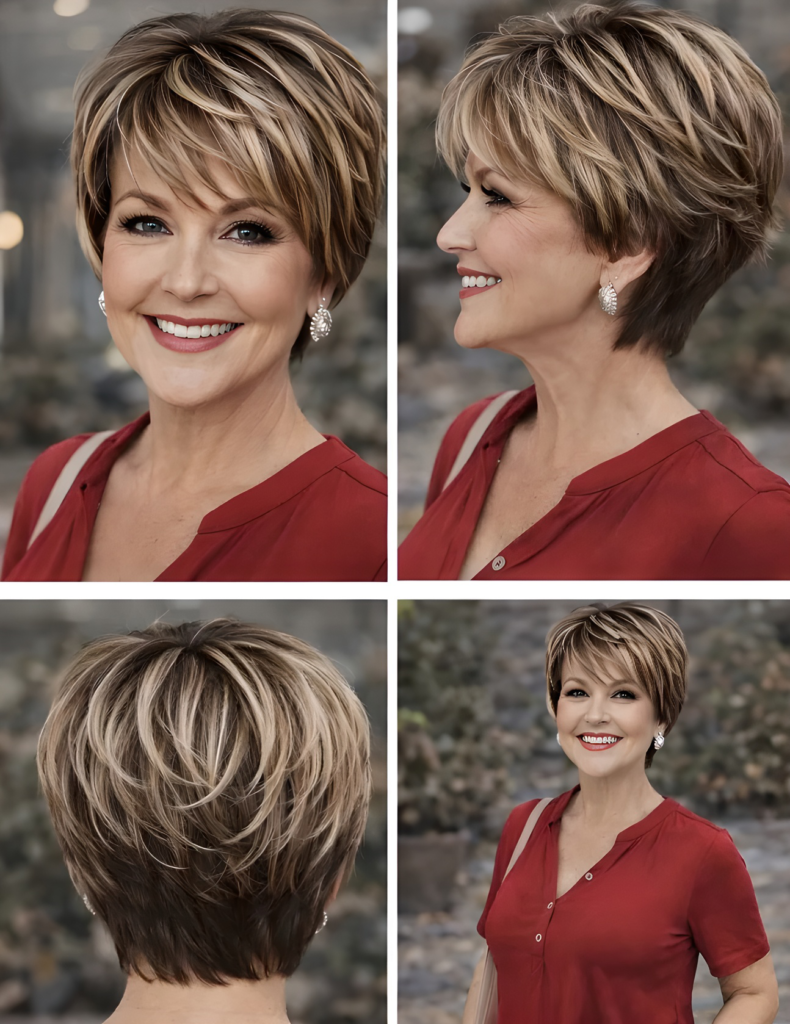
When discussing a haircut you do not like, tone matters almost as much as content. A calm and direct approach often gets the best response. You might say, “Thank you for your work, but I’m concerned because this is much shorter than I requested,” or “I don’t feel the result matches what we discussed during the consultation. Is there a way we can adjust it?” This type of language is respectful while still asserting your concern. If the stylist becomes defensive, ask to speak with the salon manager or owner. Focus on facts rather than emotion alone. Mention what you requested, what happened, and what outcome you are seeking. Do you want a correction? A second stylist’s opinion? A discount? A refund? Clarity helps. Women are often socially conditioned to soften complaints, but it is possible to be both polite and firm without apologizing for having legitimate expectations.
Can You Ask for a Refund Instead of a Fix?
Yes, you can ask, but whether you receive one depends on the salon’s policy and the severity of the problem. Some salons prefer to offer a correction because they believe the issue can be remedied. Others may give a partial refund if the haircut is clearly not what was requested. Full refunds are usually less common unless the service was significantly below standard or caused real damage. If you no longer trust the original stylist, you can say so diplomatically and request that another stylist handle the correction or that the salon consider an alternative solution. It is entirely reasonable to say, “I appreciate the offer to fix it, but I would feel more comfortable with another stylist,” especially if trust has already been lost. Being honest without being hostile gives you a stronger position.
What If You Realize You Don’t Like It Only After Leaving?
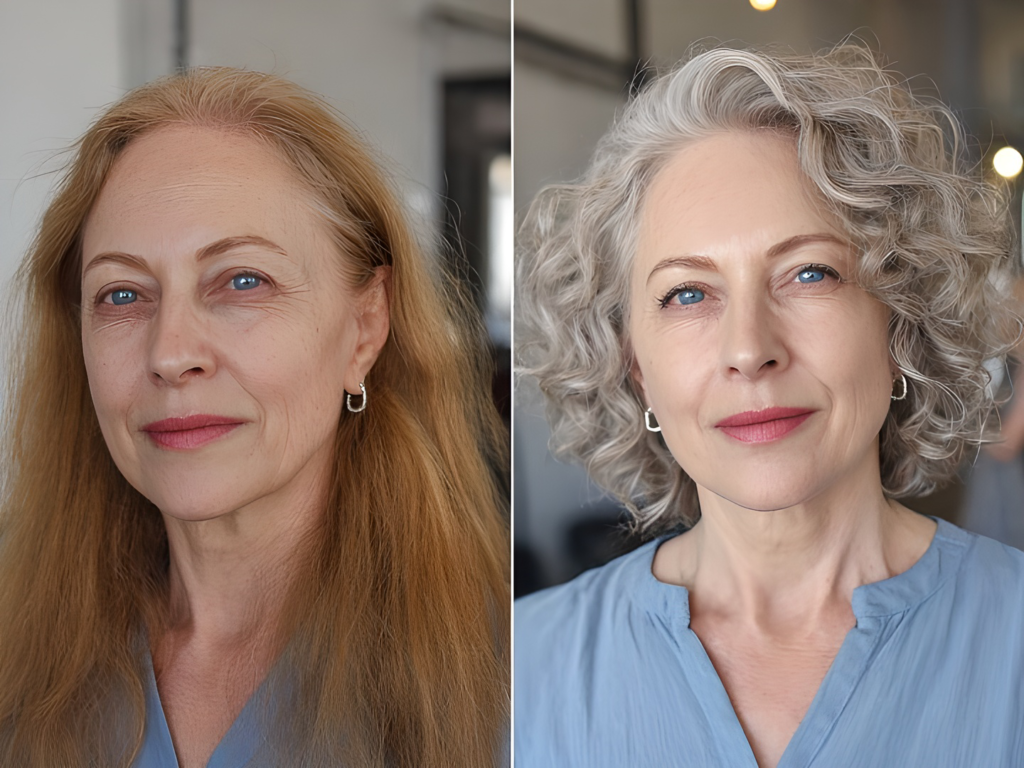
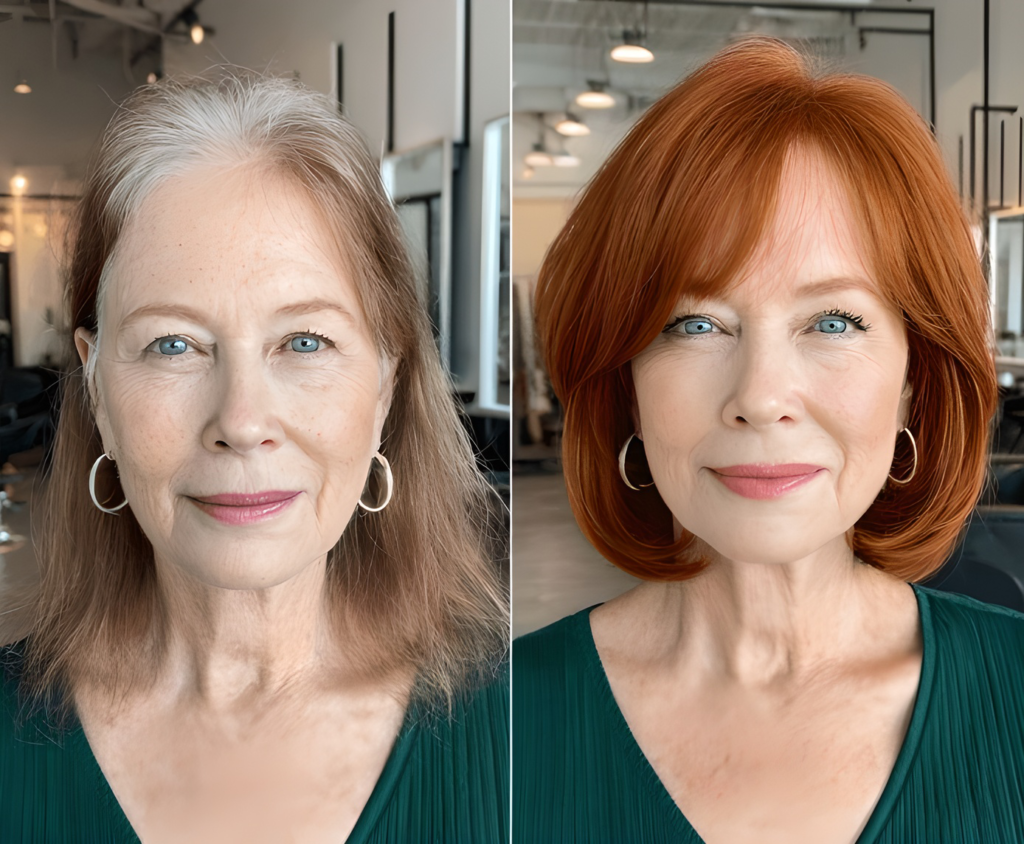
This happens often, especially when salon lighting, professional blow-drying, or shock makes it hard to assess the haircut immediately. If you realize the problem later, contact the salon as soon as possible. Do not wait several weeks, because by then it becomes harder to show that the issue came from the original service. Reach out within a day or two if you can. Explain clearly what the problem is and ask whether they offer an adjustment appointment. Take photos if the issue is visible, such as uneven lines or overly short sections. Many salons are much more willing to help when approached promptly and reasonably. If you paid already, asking for an adjustment later is often more realistic than trying to reverse the payment.
Tips for Avoiding This Situation in the First Place
The best solution is prevention. Before your haircut begins, be very clear about what you want. Use reference photos, but also discuss realistic expectations based on your hair texture, density, face shape, and daily styling habits. Tell the stylist exactly what you do not want as well. For example, say, “I do not want it above my shoulders,” or “Please show me where the shortest layer will fall before you cut.” Ask the stylist to confirm the plan before they start. If you are nervous, mention that too. Good stylists appreciate detailed communication because it reduces misunderstandings. For women, especially when making a major change like bangs, a bob, or face-framing layers, asking the stylist to start conservatively can be very helpful. Hair can always be cut shorter, but it cannot be put back once removed.
A Writer’s Lesson: Why This Topic Matters for Content Creation
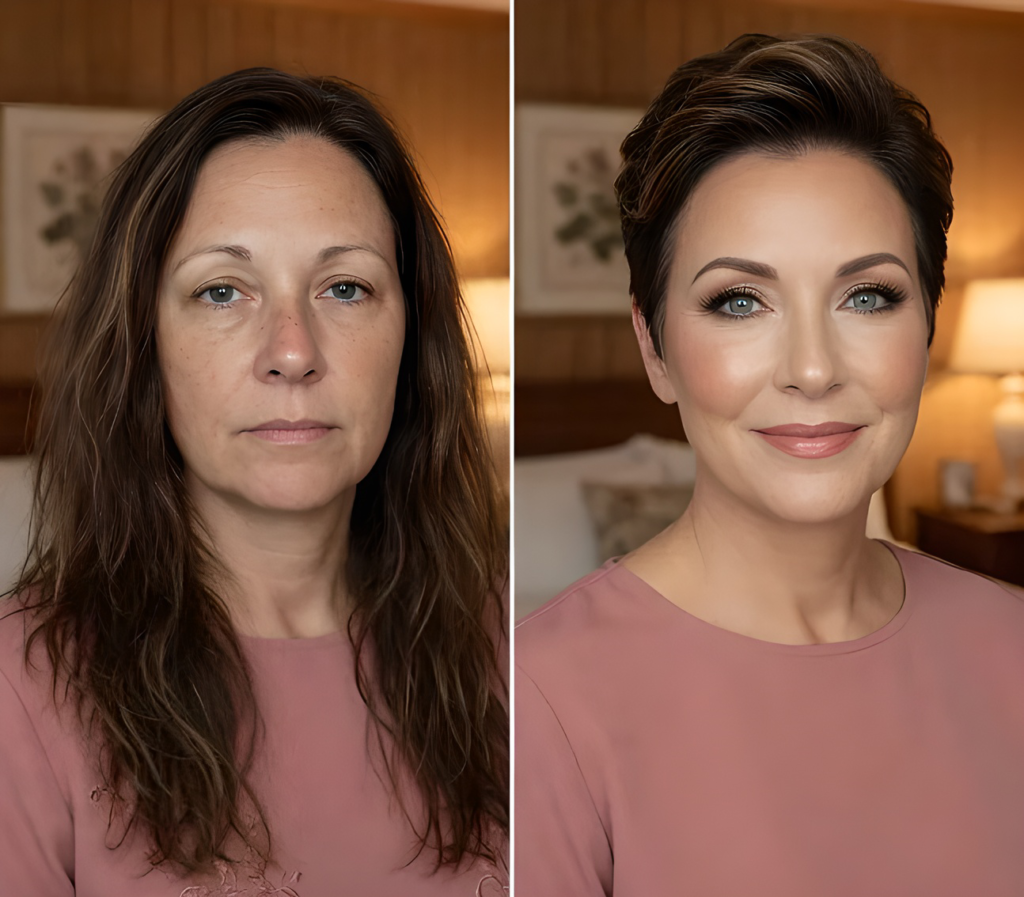
If you are writing about beauty, personal care, consumer rights, or women’s lifestyle topics, this subject is especially valuable because it combines emotion, service expectations, etiquette, and practical advice. Readers are drawn to content that answers real, uncomfortable questions they may be too embarrassed to ask directly. To write effectively on this topic, focus on empathy and specificity. A strong article does not just answer “yes” or “no.” It explores context, gives examples, and helps the reader understand what to do next. In SEO blog writing, long paragraphs can support topical depth when written carefully, but clarity remains essential. Use natural keyword phrases such as do you have to pay for a haircut if you don’t like it, bad haircut refund policy, can you refuse to pay for a haircut, and what to do if your haircut is too short without sounding robotic. The most effective content sounds human first and optimized second.
Actionable Advice Readers Can Use Immediately
If you are facing this situation right now, here are a few practical steps. First, assess whether the issue is preference or actual error. Second, communicate your concerns before leaving the salon if possible. Third, be specific about what went wrong. Fourth, ask what solution the salon can offer rather than jumping straight to conflict. Fifth, request a correction, a different stylist, a discount, or a refund depending on the seriousness of the issue. Sixth, document the result with photos if the problem is significant. And finally, learn from the experience by improving consultation habits for future appointments. These simple steps can make an emotionally difficult moment feel more manageable and can often lead to a better outcome than silence or confrontation.

So, do you have to pay for a haircut if you don’t like it? In most cases, yes, you are generally expected to pay for the service, especially if the stylist performed the haircut as discussed and the issue is mainly personal dissatisfaction. However, if the haircut was clearly done incorrectly, if your instructions were ignored, or if the salon failed to provide a reasonable professional standard, you may have valid grounds to request a fix, a discount, or a refund. For women, because hair is so closely tied to confidence and identity, these moments can feel emotional, but the best response is usually calm, clear, and specific communication. A professional salon should be willing to discuss the issue and try to make things right. In the end, knowing how to speak up respectfully is just as important as knowing your options.