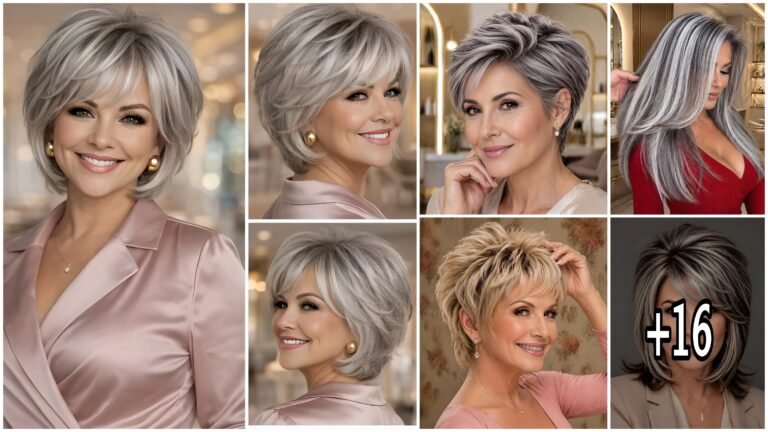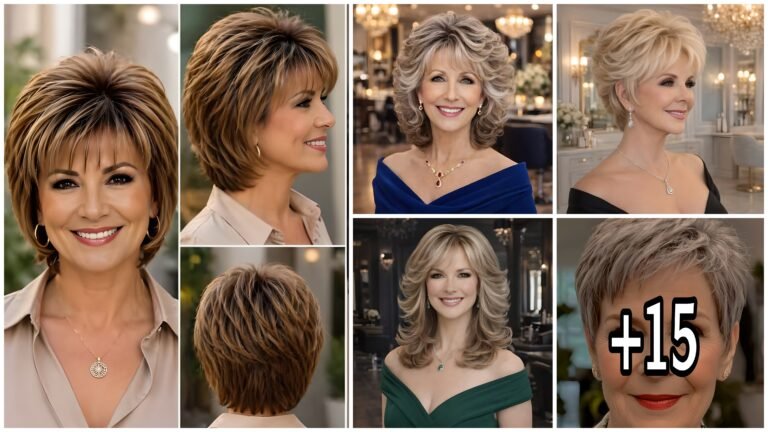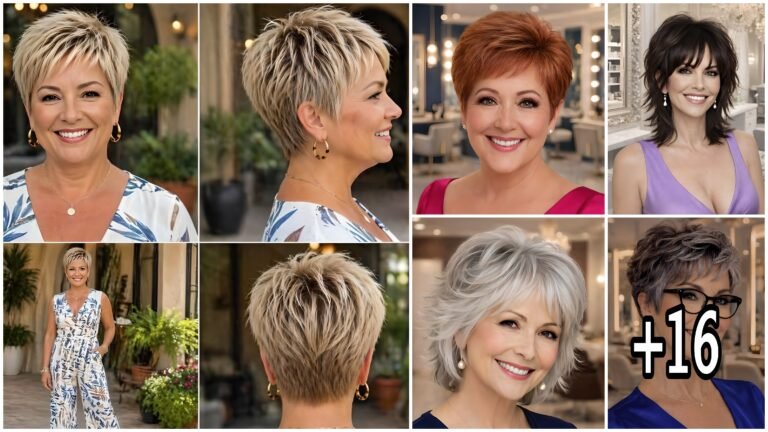
Choosing the right haircut is not only about following trends. The best haircut for you depends on your hair texture, density, and natural movement. If you have ever left the salon with a style that looked amazing for one day but impossible to manage at home, your haircut may not have matched your texture. In this guide, you will discover how to choose the best haircut for straight, wavy, curly, or coily hair, with practical advice to help you find a flattering and easy-to-style look.
Why Hair Texture Matters When Choosing a Haircut
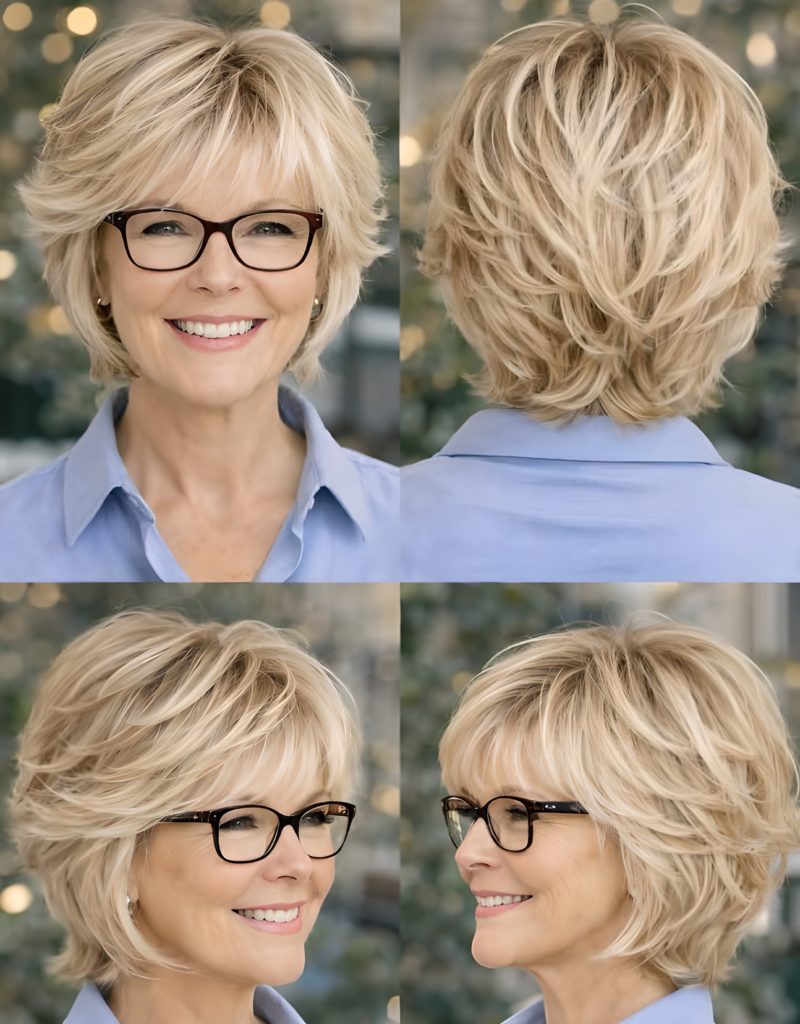
Hair texture affects how your hair falls, holds shape, reacts to humidity, and responds to layers. A haircut that looks soft and effortless on straight hair may appear bulky on curls or too flat on fine waves. That is why understanding your natural texture is the first step toward a haircut that feels beautiful and manageable.
When your haircut works with your hair texture instead of against it, styling becomes easier, your shape lasts longer, and your hair looks healthier overall.
How to Identify Your Hair Texture

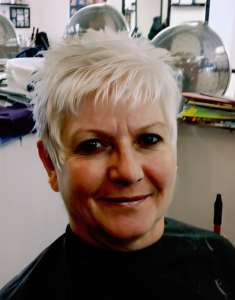
Before choosing a haircut, you need to know your texture category. Most women fall into one of these groups:
1. Straight Hair
Straight hair usually lies flat from root to tip and often reflects light easily, giving it a shiny finish. It can be fine, medium, or thick.
2. Wavy Hair
Wavy hair forms loose bends or soft “S” shapes. It can range from barely-there waves to more defined, textured movement.
3. Curly Hair
Curly hair has visible curls or ringlets and tends to have more volume. It may also shrink when dry.
4. Coily or Kinky Hair
Coily hair has tight curls or zig-zag patterns. It is often delicate and benefits from cuts that respect shrinkage and shape.
Best Haircuts for Straight Hair


Straight hair often benefits from clean lines and strategic structure. Because it can sometimes fall flat, the goal is usually to create movement or enhance fullness.
Recommended Haircuts
- Blunt bob
- Long layers
- Collarbone-length cut
- Pixie cut
- Curtain bangs with long hair
Why They Work
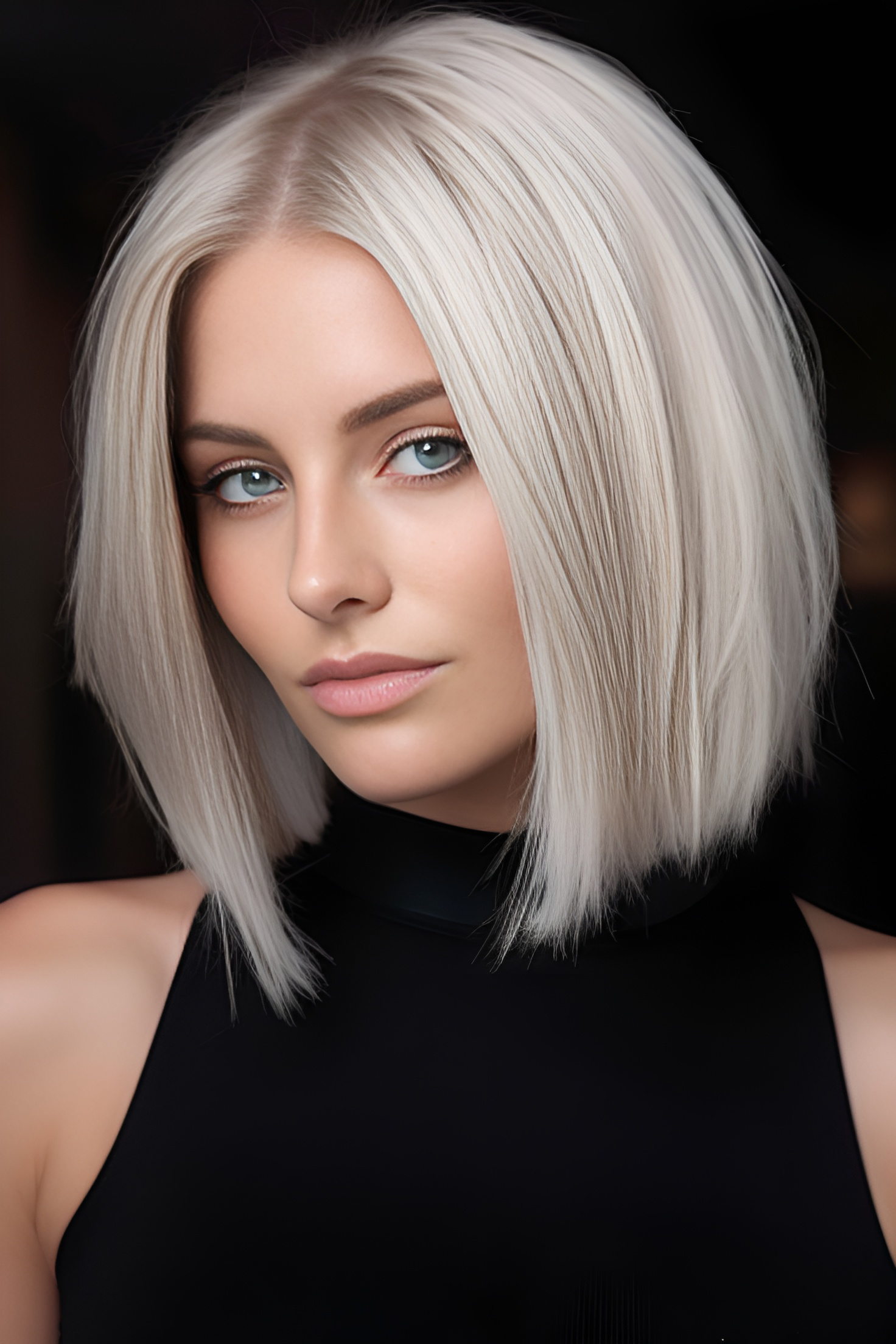
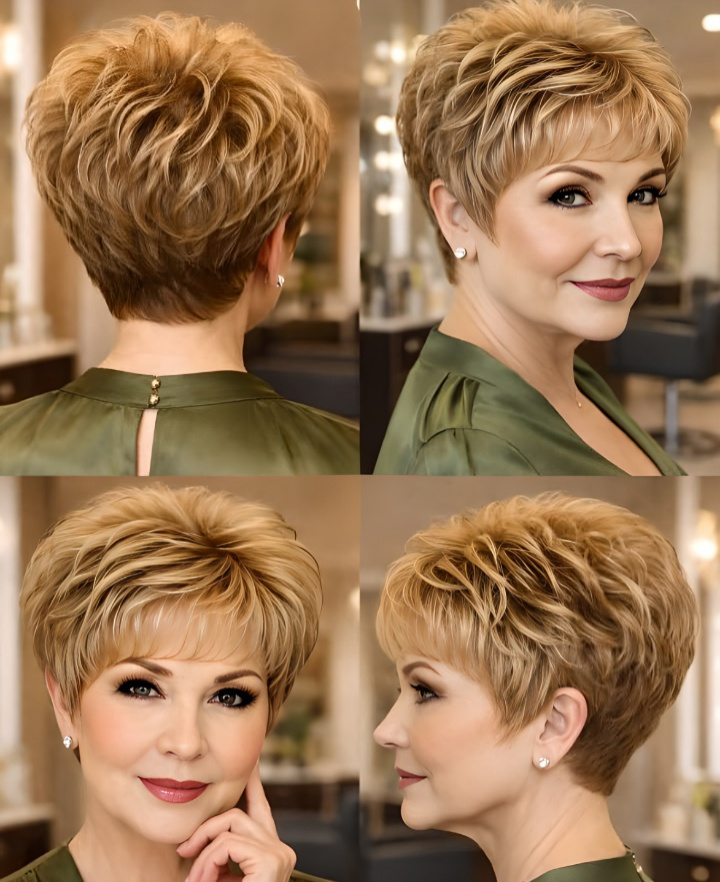
A blunt bob can make fine straight hair look thicker. Long layers add movement without making the ends look thin. A pixie cut can highlight facial features and create a sharp, modern look.
Practical Tip
If your straight hair is very fine, avoid too many layers. Excessive layering can make it appear sparse, especially at the ends.
Best Haircuts for Wavy Hair


Wavy hair is versatile, but it needs balance. The right haircut enhances natural texture without creating unwanted puffiness or uneven shape.
Recommended Haircuts
- Lob with soft layers
- Shag haircut
- Long layered cut
- Face-framing layers
- Textured bob
Why They Work
Soft layers help waves form naturally. A shag can bring out texture and create a relaxed, trendy style. A textured bob works especially well for medium-density waves because it gives body and movement.
Practical Tip
Ask your stylist to cut your wavy hair in a way that supports your natural pattern. If the layers are too short or heavy, your waves may lose definition.
Best Haircuts for Curly Hair
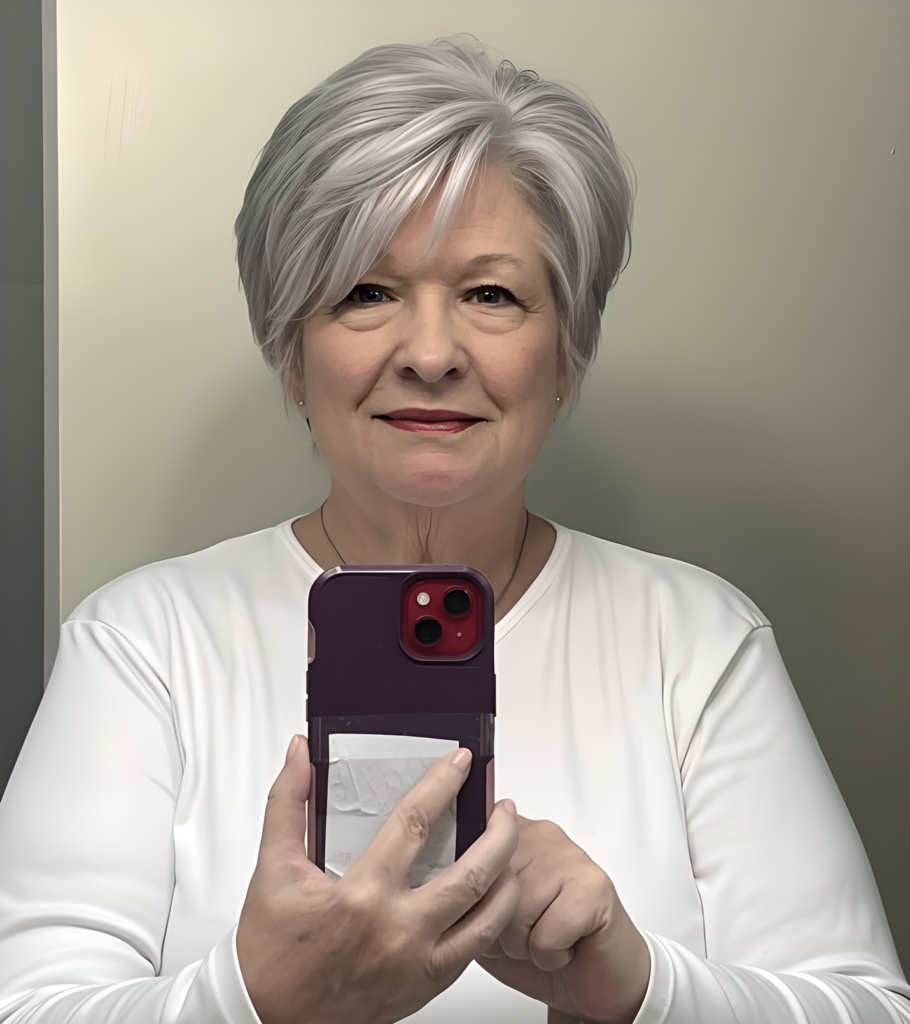

Curly hair needs shape more than anything else. A well-cut curly style can reduce bulk, improve definition, and make daily styling much easier.
Recommended Haircuts
- Curly layered cut
- Rounded bob
- Shoulder-length curly cut
- Curly shag
- Deva-inspired dry cut
Why They Work
Layers help curls sit properly and prevent the “triangle” effect, where hair becomes too wide at the bottom. Rounded shapes often suit curly hair beautifully because they follow its natural volume.
Practical Tip
Never choose a haircut for curly hair based only on how it looks when straightened. Curly hair behaves differently in its natural state, so the cut should be designed for that.
Best Haircuts for Coily Hair
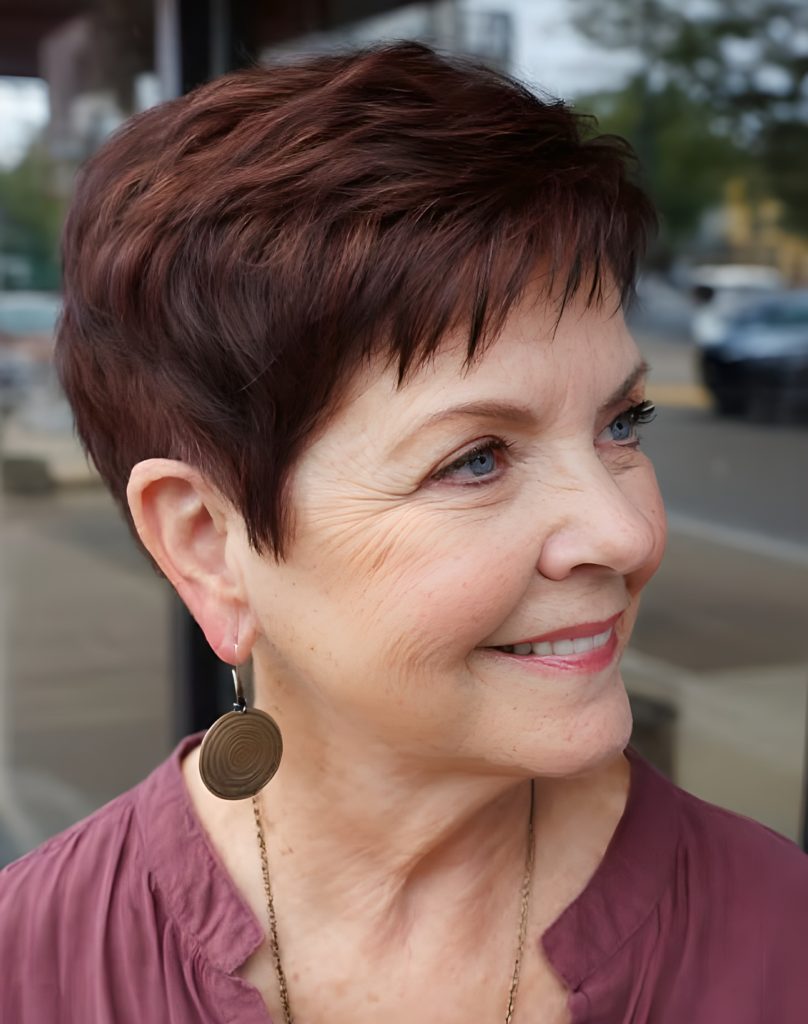

Coily hair thrives with thoughtful shaping. The best cuts celebrate volume, protect the hair, and make maintenance more realistic.
Recommended Haircuts
- Tapered cut
- Rounded afro
- Layered coily cut
- Twist-out shaped cut
- Shoulder-length natural cut
Why They Work
These cuts create definition and shape while respecting shrinkage. A tapered cut can be bold and low-maintenance, while a rounded afro creates symmetry and elegance.
Practical Tip
Because coily hair shrinks significantly, always discuss final length with your stylist before cutting. What looks long when wet may appear much shorter when dry.
Fine Hair vs Thick Hair: Why Density Also Matters
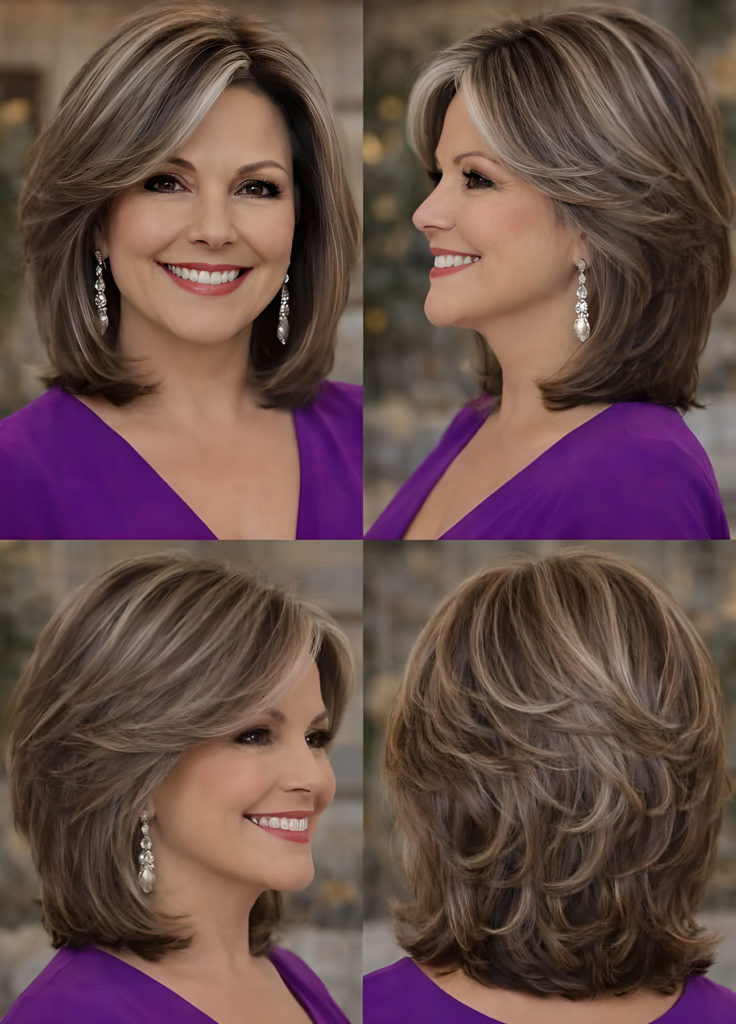
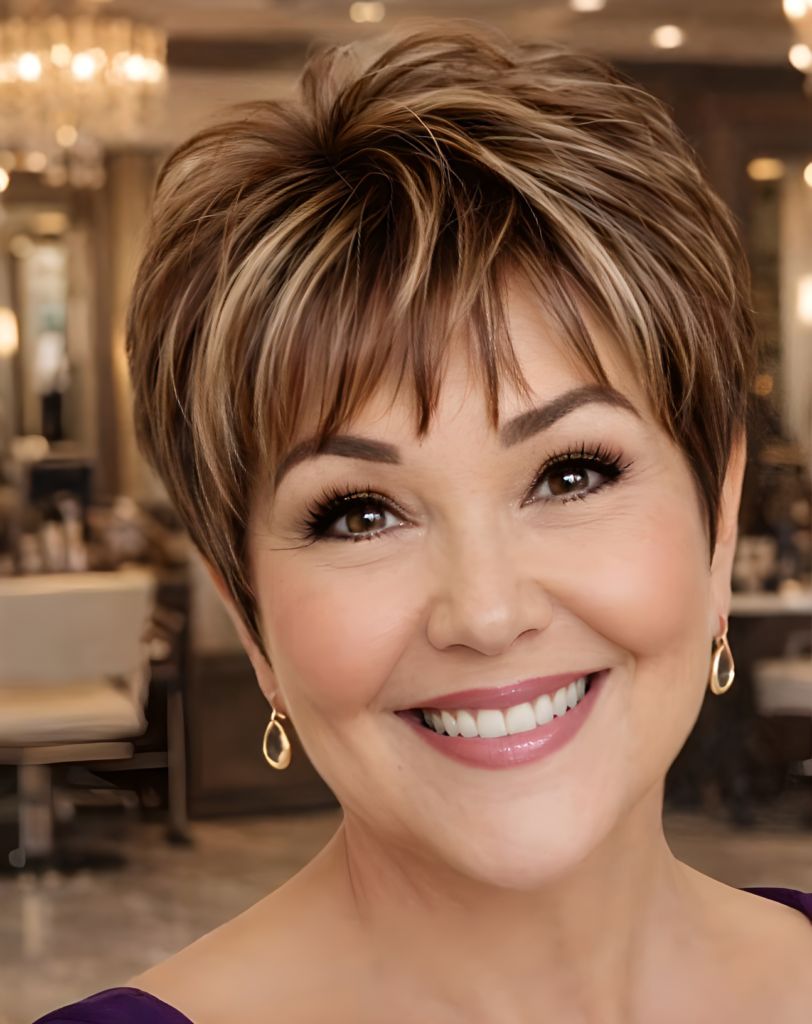
Texture and density are not the same. You can have straight thick hair, curly fine hair, or wavy medium-density hair. This distinction matters because it affects how your haircut will sit.
For Fine Hair
- Blunt cuts can create fullness
- Light layering works better than heavy layering
- Short to medium lengths often appear thicker
For Thick Hair
- Layers can reduce heaviness
- Internal shaping helps remove bulk
- Longer styles often control volume better
A woman with thick wavy hair may need layers to avoid a heavy shape, while a woman with fine straight hair may need a blunt line for fullness.
How Face Shape Influences the Best Haircut
Hair texture should guide the haircut, but face shape also plays a role. Here are some general suggestions:
- Round face: long layers, volume at the crown, side parts
- Oval face: most cuts work well
- Square face: soft layers, waves, curtain bangs
- Heart-shaped face: chin-length styles, side-swept bangs
- Long face: bobs, shoulder cuts, fuller fringe
The best haircut often comes from combining face shape and texture, not choosing one over the other.
Questions to Ask Your Stylist Before Getting a Haircut
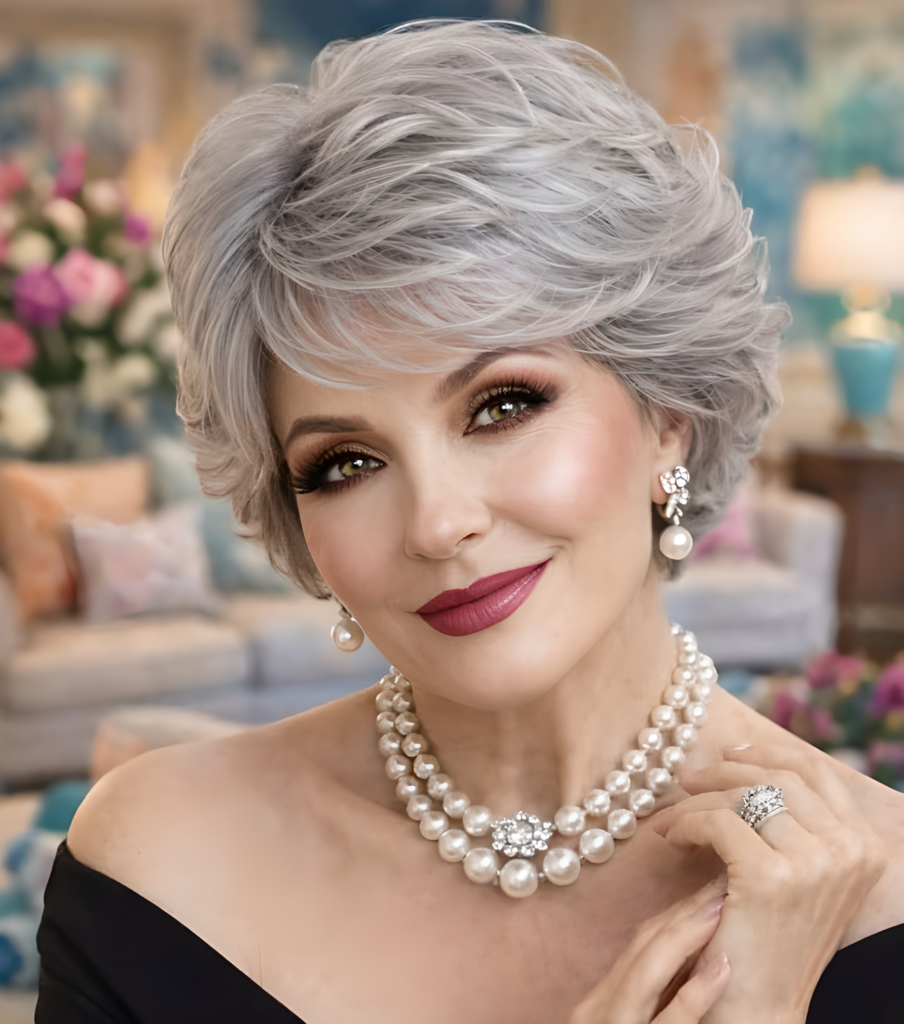
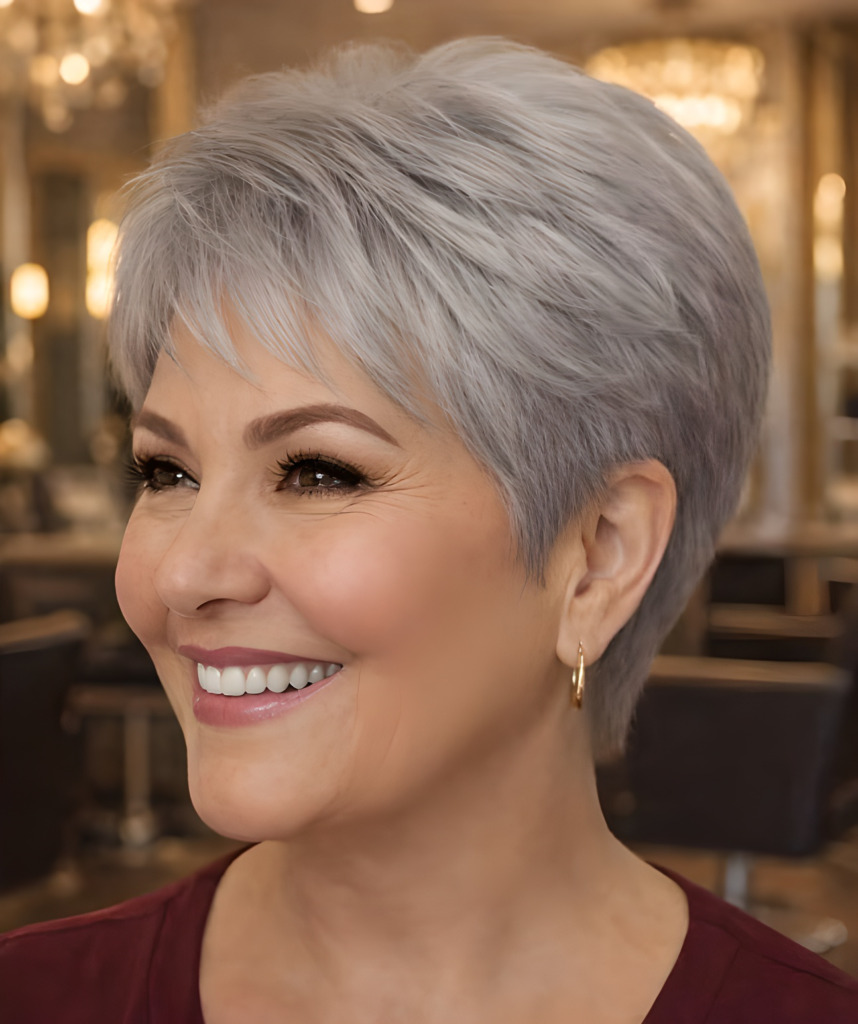
To get a haircut that suits your texture, ask clear and specific questions such as:
- Will this cut work with my natural texture?
- How much styling will it require every day?
- Will this haircut add volume or remove bulk?
- How will it look when air-dried?
- Should it be cut wet or dry?
These questions help avoid disappointment and ensure your haircut fits your real lifestyle.
Common Haircut Mistakes Women Make
Many haircut problems happen because the style looked good on someone else but was not right for a different texture.
Common Mistakes
- Choosing a haircut only from a celebrity photo
- Ignoring shrinkage in curly or coily hair
- Over-layering fine hair
- Getting a blunt cut on very thick hair without debulking
- Fighting natural texture every morning
A haircut should make your hair easier to wear, not harder.
Best Low-Maintenance Haircuts by Texture
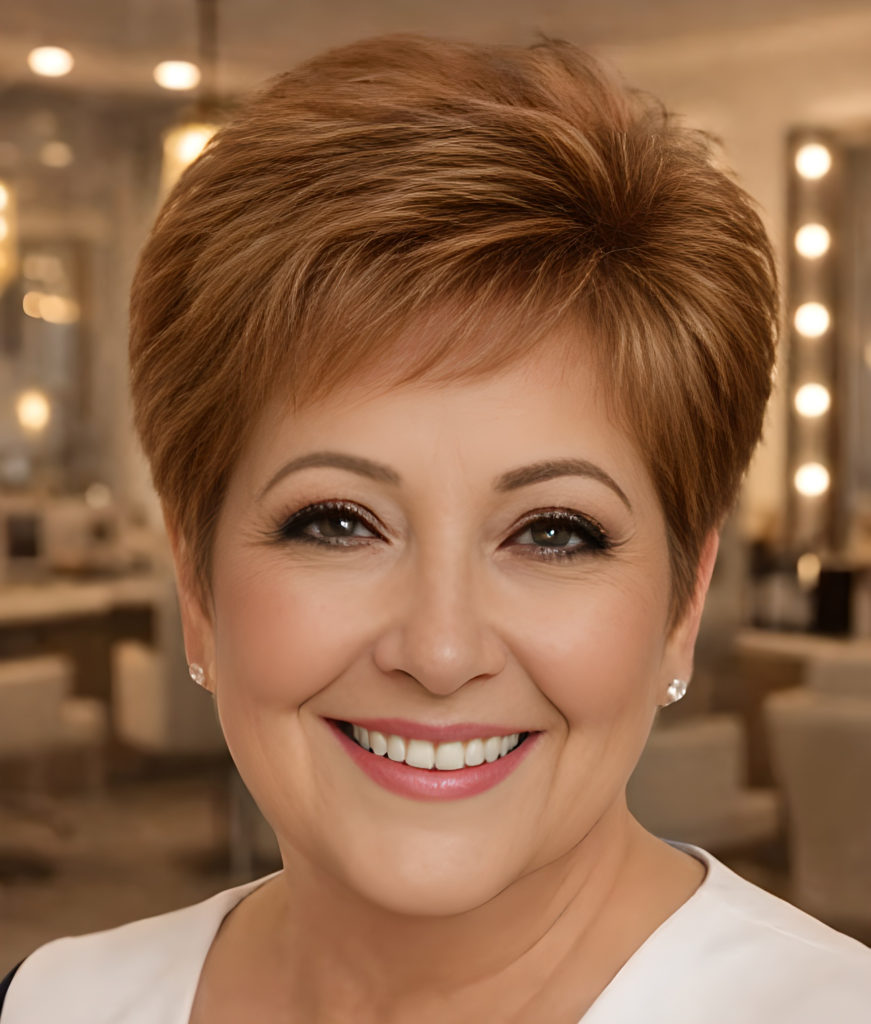
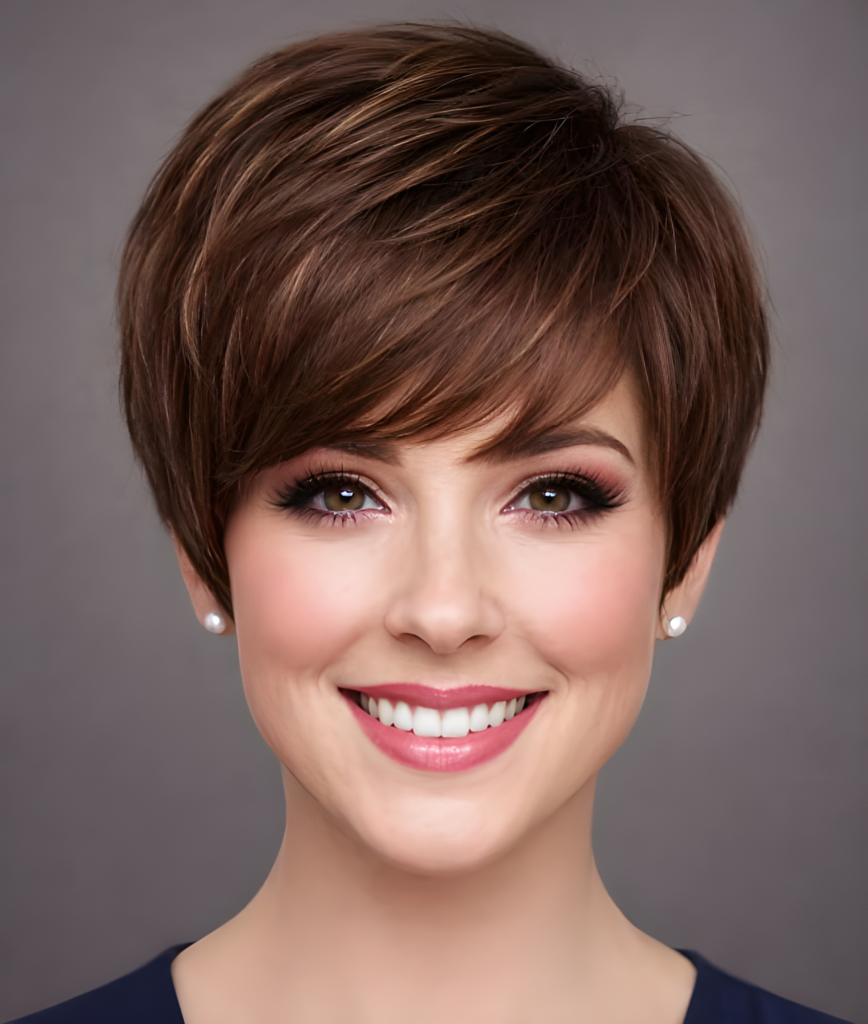
If you want something practical and stylish, here are some easy options:
Straight Hair
- Blunt lob
- Long one-length cut
Wavy Hair
- Layered lob
- Soft shag
Curly Hair
- Shoulder-length layers
- Rounded curly bob
Coily Hair
- Tapered natural cut
- Rounded shape with minimal daily styling
Low-maintenance haircuts save time and often look better because they cooperate with your natural pattern.
How to Choose the Right Haircut for Your Lifestyle
A good haircut should fit not only your texture but also your routine. If you do not enjoy styling tools, avoid cuts that require daily blow-drying. If you love polished looks, a sleek bob may suit you. If you prefer wash-and-go styling, layered cuts for waves or curls may be more realistic.
Think about:
- How much time you spend styling
- Whether you air-dry or heat-style
- How often you can visit the salon
- Your comfort with volume and shape
Beauty is easier to maintain when it matches your real life.
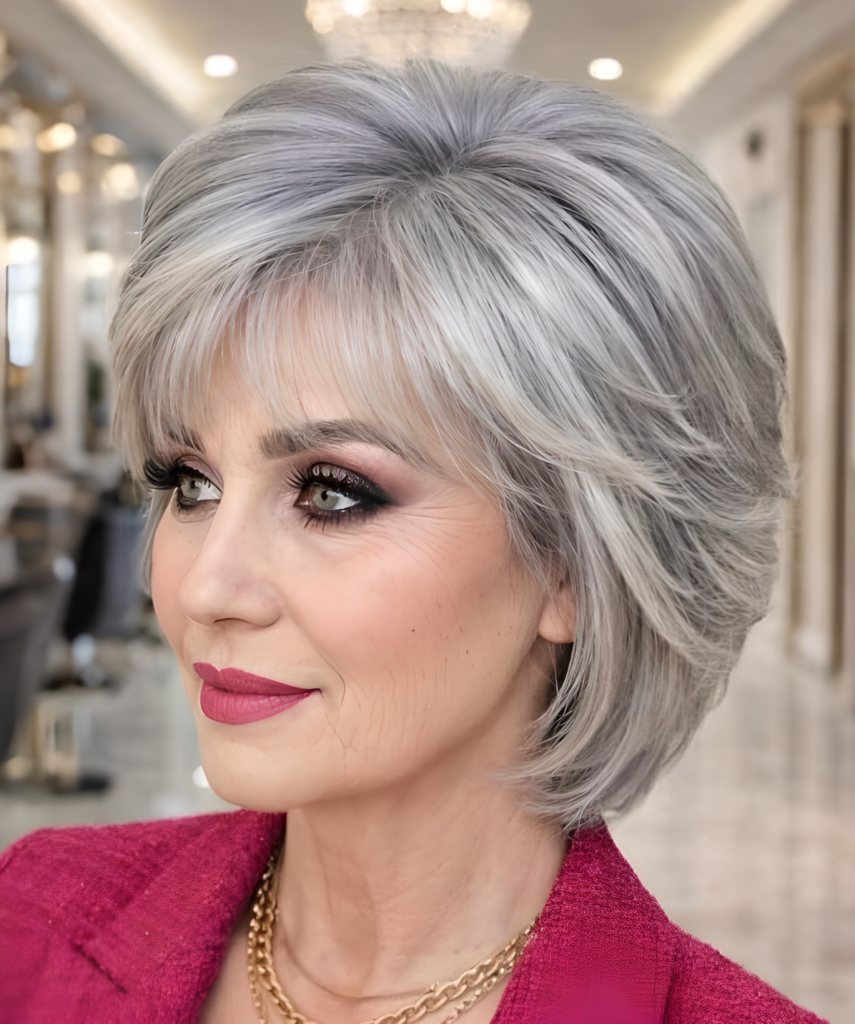
The answer to “what haircut works for my hair texture?” depends on understanding how your hair naturally behaves. Straight hair often benefits from structure, wavy hair from soft layers, curly hair from shape-enhancing cuts, and coily hair from thoughtful sculpting that respects volume and shrinkage. When you combine texture, density, face shape, and lifestyle, you can choose a haircut that feels flattering, modern, and easy to manage.
The best haircut is not the one that changes your hair into something else. It is the one that helps your natural texture look its absolute best.